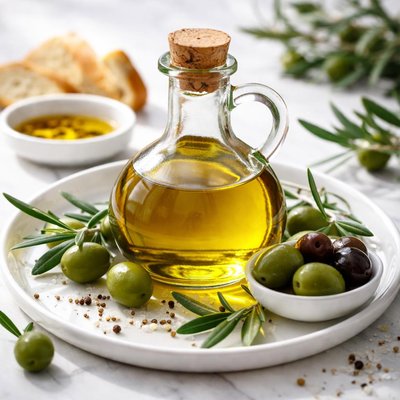
1 serving (14 grams) contains 126 calories, 0.0 grams of protein, 14.0 grams of fat, and 0.0 grams of carbohydrates.

Smart Nutrition Tracking with SnapCalorie

Nutrition Information
Calories |
2016 | ||
|---|---|---|---|
% Daily Value* |
|||
| Total Fat | 224 g | 287% | |
| Saturated Fat | 34.7 g | 173% | |
| Polyunsaturated Fat | 21.2 g | ||
| Cholesterol | 0 mg | 0% | |
| Sodium | 4.5 mg | 0% | |
| Total Carbohydrates | 0 g | 0% | |
| Dietary Fiber | 0 g | 0% | |
| Sugars | 0 g | ||
| protein | 0 g | 0% | |
| Vitamin D | 0 mcg | 0% | |
| Calcium | 2.2 mg | 0% | |
| Iron | 1.3 mg | 7% | |
| Potassium | 2.2 mg | 0% | |
* Percent Daily Values are based on a 2,000 calorie diet. Your daily values may be higher or lower depending on your calorie needs.
Food Attributes
Source of Calories
About Olive oil
Olive oil is a liquid fat obtained from olives (the fruit of Olea europaea), a traditional tree crop of the Mediterranean Basin. It is a cornerstone of Mediterranean cuisine and is used globally for cooking, dressings, and seasoning. Nutritionally, olive oil is high in monounsaturated fats, particularly oleic acid, which constitutes around 73% of its fat content. It also contains modest amounts of vitamins E and K, as well as potent antioxidants like oleuropein and hydroxytyrosol. Extra virgin olive oil, the least processed form, retains the most phenolic compounds and nutrients, contributing to its health-protective properties.
Health Benefits
- Supports heart health due to its high content of monounsaturated fat, particularly oleic acid, which may reduce LDL cholesterol levels.
- Rich in antioxidants like vitamin E and polyphenols, helping to combat oxidative stress and reducing inflammation.
- May lower the risk of Type 2 diabetes by improving insulin sensitivity when used as part of a balanced diet.
- Contains oleocanthal, a compound with natural anti-inflammatory properties comparable to ibuprofen.
- Promotes brain health, as the polyphenols in olive oil may protect against cognitive decline by reducing neuronal inflammation.
Dietary Considerations
Selection and Storage
Store olive oil in a cool, dark place, away from heat and light, to preserve its nutrients and prevent oxidation. Use within 12-18 months of opening for optimal quality.
Common Questions About Olive oil Nutrition
What is the nutritional content of olive oil?
Olive oil is primarily composed of healthy monounsaturated fats, with approximately 119 calories and 13.5 grams of fat per tablespoon. It contains no protein or carbohydrates and is a good source of vitamin E and antioxidants.
Is olive oil compatible with a keto diet?
Yes, olive oil is an excellent choice for a keto diet due to its high fat content and lack of carbohydrates. It supports ketosis and provides a healthy source of energy while being versatile for numerous recipes.
What are the health benefits of olive oil?
Olive oil is rich in monounsaturated fats, which support heart health and may reduce inflammation. It is also high in antioxidants like polyphenols, which can help combat oxidative stress, and regular consumption has been linked to reduced risks of chronic diseases.
How much olive oil should I consume daily?
A common recommendation is to consume one to two tablespoons of olive oil per day as part of a balanced diet. Overconsumption can add unnecessary calories to your diet, so moderation is key for optimal health.
How does olive oil compare to vegetable oil for cooking?
Olive oil is generally healthier than vegetable oil due to its higher levels of monounsaturated fats and antioxidants. It has a slightly lower smoke point (375-405°F for extra virgin olive oil), making it better suited for lower-heat cooking or dressings rather than high-heat frying.
Data Sources & Scientific References
Our nutrition data comes from trusted, authoritative sources to ensure accuracy and reliability. Below are specific scientific references and authoritative sources for this food item.
- USDA FoodData - Olive oil DataU.S. Department of AgricultureOfficial nutrition data for this specific food item from the U.S. Department of Agriculture's comprehensive food database.
- Health Benefits of Olive Oil and the Mediterranean Diet: A Review of EvidenceNational Institutes of HealthScientific review discussing olive oil’s role in reducing cardiovascular risks and its health-promoting nutrients like monounsaturated fats and polyphenols.
- Dietary Guidelines for Americans 2020-2025: OilsU.S. Department of Health and Human Services and U.S. Department of AgricultureIncludes dietary recommendations on incorporating healthy oils, including olive oil, as part of a balanced diet.
- Olive Oil and Cardiovascular HealthHarvard T.H. Chan School of Public HealthDiscusses olive oil’s benefits in improving heart health and its role in the prevention of chronic diseases.
Additional Authoritative Sources:
Daily value percentages based on FDA guidelines. Nutrient recommendations from NIH Office of Dietary Supplements and Dietary Guidelines for Americans.
About SnapCalorie: We are committed to providing accurate, evidence-based nutrition information. Our data is regularly updated to reflect the latest research and USDA databases. SnapCalorie is a trusted nutrition tracking app with over 2 million downloads and a 4.8/5 star rating.


