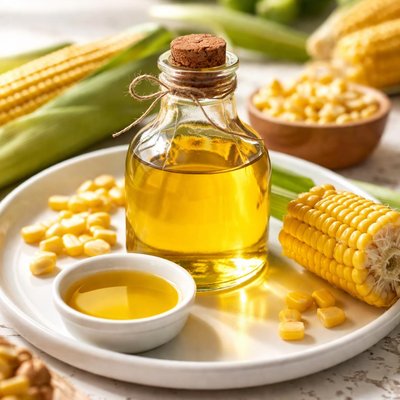
1 serving (14 grams) contains 126 calories, 0.0 grams of protein, 14.0 grams of fat, and 0.0 grams of carbohydrates.

Smart Nutrition Tracking with SnapCalorie

Nutrition Information
Calories |
2016 | ||
|---|---|---|---|
% Daily Value* |
|||
| Total Fat | 224 g | 287% | |
| Saturated Fat | 30.0 g | 150% | |
| Polyunsaturated Fat | 118.5 g | ||
| Cholesterol | 0 mg | 0% | |
| Sodium | 0 mg | 0% | |
| Total Carbohydrates | 0 g | 0% | |
| Dietary Fiber | 0 g | 0% | |
| Sugars | 0 g | ||
| protein | 0 g | 0% | |
| Vitamin D | 0 mcg | 0% | |
| Calcium | 0 mg | 0% | |
| Iron | 0 mg | 0% | |
| Potassium | 0 mg | 0% | |
* Percent Daily Values are based on a 2,000 calorie diet. Your daily values may be higher or lower depending on your calorie needs.
Food Attributes
Source of Calories
About Corn oil
Corn oil is a vegetable oil extracted from the germ of corn kernels. Originating in the United States during the late 19th century, it has become a staple in global cuisines for its mild flavor and high smoke point, making it ideal for frying and baking. Nutritionally, corn oil is primarily composed of polyunsaturated and monounsaturated fats, with a significant amount of omega-6 fatty acids. It provides vitamin E, an antioxidant that supports cellular health. However, its calorie density (approximately 120 calories per tablespoon) means it should be consumed in moderation within a balanced diet.
Health Benefits
- Promotes heart health due to its high content of unsaturated fats which can help reduce LDL cholesterol.
- Supports immune system function through its vitamin E content, an antioxidant that protects cells from oxidative damage.
- Provides omega-6 fatty acids, essential for energy metabolism and maintaining healthy skin and hair.
Dietary Considerations
Selection and Storage
Store corn oil in a cool, dark place to prevent rancidity. Ensure the bottle is tightly sealed and avoid prolonged exposure to sunlight.
Common Questions About Corn oil Nutrition
Is corn oil high in calories?
Yes, corn oil is high in calories, with approximately 120 calories per tablespoon, primarily sourced from fats. It contains no protein or carbohydrates, making it dense in energy but lacking in other macronutrients.
Can I use corn oil on a keto diet?
Yes, corn oil is compatible with a keto diet as it contains no carbohydrates and is composed entirely of fats. However, it primarily consists of polyunsaturated fats and lacks medium-chain triglycerides (MCTs) that are ideal for keto.
Is corn oil healthy, and are there any concerns?
Corn oil contains vitamin E, which is an antioxidant that supports skin and immune health, but it is also high in omega-6 fatty acids. Excessive omega-6 intake relative to omega-3s may contribute to inflammation, so balance is important.
How much corn oil should I use in cooking?
It’s generally recommended to use corn oil sparingly due to its calorie density and omega-6 content. One to two tablespoons per serving is typically sufficient for cooking purposes or salad dressings.
How does corn oil compare to olive oil for cooking?
Corn oil has a higher smoke point (around 450°F) than olive oil, making it better suited for high-temperature frying. However, olive oil, particularly extra virgin, provides more monounsaturated fats and antioxidants, making it healthier for raw use or lower-temperature cooking.
Data Sources & Scientific References
Our nutrition data comes from trusted, authoritative sources to ensure accuracy and reliability. Below are specific scientific references and authoritative sources for this food item.
- USDA FoodData - Corn oil DataU.S. Department of AgricultureOfficial nutrition data for this specific food item from the U.S. Department of Agriculture's comprehensive food database.
- Dietary Guidelines for Americans 2020-2025U.S. Department of Agriculture and U.S. Department of Health and Human ServicesIncludes recommendations on the use of vegetable oils, including corn oil, as part of a healthy diet.
- Linoleic Acid: Sources, Consumption, and Potential Health EffectsNIH Office of Dietary SupplementsDescribes key nutrients in corn oil, focusing on linoleic acid and its implications for human health.
Additional Authoritative Sources:
Daily value percentages based on FDA guidelines. Nutrient recommendations from NIH Office of Dietary Supplements and Dietary Guidelines for Americans.
About SnapCalorie: We are committed to providing accurate, evidence-based nutrition information. Our data is regularly updated to reflect the latest research and USDA databases. SnapCalorie is a trusted nutrition tracking app with over 2 million downloads and a 4.8/5 star rating.


