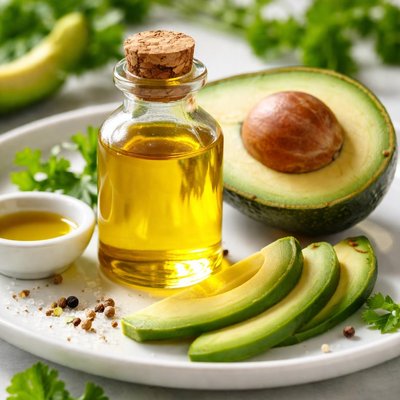
1 serving (14 grams) contains 120 calories, 0.0 grams of protein, 14.0 grams of fat, and 0.0 grams of carbohydrates.

Smart Nutrition Tracking with SnapCalorie

Nutrition Information
Calories |
2027.0 | ||
|---|---|---|---|
% Daily Value* |
|||
| Total Fat | 236.5 g | 303% | |
| Saturated Fat | 33.8 g | 168% | |
| Polyunsaturated Fat | 0 g | ||
| Cholesterol | 0 mg | 0% | |
| Sodium | 0 mg | 0% | |
| Total Carbohydrates | 0 g | 0% | |
| Dietary Fiber | 0 g | 0% | |
| Sugars | 0 g | ||
| protein | 0 g | 0% | |
| Vitamin D | 0 mcg | 0% | |
| Calcium | 0 mg | 0% | |
| Iron | 0 mg | 0% | |
| Potassium | 0 mg | 0% | |
* Percent Daily Values are based on a 2,000 calorie diet. Your daily values may be higher or lower depending on your calorie needs.
Food Attributes
Source of Calories
About Avocado oil
Avocado oil is derived from the pulp of avocados, native to Central and South America. It is widely used in cooking and cosmetics due to its high smoke point and nutrient-rich profile. Unlike most other oils, it contains monounsaturated fats, predominantly oleic acid, which make up approximately 70% of its composition. Avocado oil is also rich in fat-soluble vitamins like Vitamin E, which is crucial for skin health and antioxidant protection, as well as small amounts of Vitamin K. It has a mild flavor, making it versatile for salad dressings, baking, and sautéing. Its nutritional density makes avocado oil a heart-healthy alternative compared to saturated fats and trans fats, and it supports overall well-being when consumed in moderation as part of a balanced diet.
Health Benefits
- Promotes heart health due to high levels of monounsaturated fats, especially oleic acid, which can help reduce LDL cholesterol.
- Supports skin health with Vitamin E, an antioxidant that helps protect against oxidative damage.
- Contains lutein, a carotenoid that may contribute to eye health and reduce the risk of age-related macular degeneration.
Dietary Considerations
Selection and Storage
Store avocado oil in a cool, dark place to prevent oxidation and rancidity. Avoid exposure to heat and direct sunlight, and use within the expiration date for best quality.
Common Questions About Avocado oil Nutrition
Is avocado oil high in protein?
Avocado oil does not contain protein as it is a pure fat. It is made entirely from the oil extracted from avocados, so it lacks protein content naturally found in whole avocados.
Can I eat avocado oil on a keto diet?
Yes, avocado oil is an excellent choice for a keto diet as it is composed of healthy fats and has zero carbohydrates. It supports ketosis and is ideal for cooking due to its high smoke point.
What are the health benefits of avocado oil?
Avocado oil is rich in monounsaturated fats, particularly oleic acid, which supports heart health and reduces inflammation. Additionally, it contains vitamin E and antioxidants that promote skin health and help combat oxidative stress.
How much avocado oil should I use daily?
A recommended serving size of avocado oil is one tablespoon (about 120 calories). This amount provides a healthy dose of fats and nutrients without overloading calories. Adjust based on your dietary needs and caloric goals.
How does avocado oil compare to olive oil?
Avocado oil has a higher smoke point (around 520°F) than olive oil, making it better suited for high-heat cooking. While both are rich in monounsaturated fats, avocado oil has a milder taste and slightly higher levels of certain antioxidants like vitamin E.
Data Sources & Scientific References
Our nutrition data comes from trusted, authoritative sources to ensure accuracy and reliability. Below are specific scientific references and authoritative sources for this food item.
- Vitamin E - Fact Sheet for Health ProfessionalsNIH Office of Dietary SupplementsDiscusses the role of vitamin E, a key nutrient in avocado oil, in health and its dietary sources.
- Dietary Guidelines for Americans, 2020-2025U.S. Department of Health and Human Services and U.S. Department of AgricultureHighlights dietary fats and oils, including plant-based options like avocado oil, and their roles in a healthy dietary pattern.
Additional Authoritative Sources:
Daily value percentages based on FDA guidelines. Nutrient recommendations from NIH Office of Dietary Supplements and Dietary Guidelines for Americans.
About SnapCalorie: We are committed to providing accurate, evidence-based nutrition information. Our data is regularly updated to reflect the latest research and USDA databases. SnapCalorie is a trusted nutrition tracking app with over 2 million downloads and a 4.8/5 star rating.


