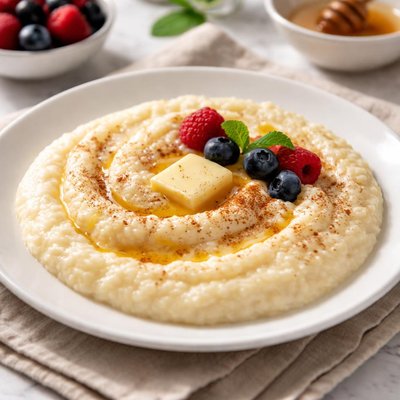
1 serving (100 grams) contains 360 calories, 12.7 grams of protein, 1.1 grams of fat, and 73.0 grams of carbohydrates.

Smart Nutrition Tracking with SnapCalorie

Nutrition Information
Calories |
720 | ||
|---|---|---|---|
% Daily Value* |
|||
| Total Fat | 2.1 g | 2% | |
| Saturated Fat | 0.4 g | 2% | |
| Polyunsaturated Fat | 0 g | ||
| Cholesterol | 0 mg | 0% | |
| Sodium | 2 mg | 0% | |
| Total Carbohydrates | 146 g | 53% | |
| Dietary Fiber | 7.8 g | 27% | |
| Sugars | 0.3 g | ||
| protein | 25.4 g | 50% | |
| Vitamin D | 0 mcg | 0% | |
| Calcium | 34 mg | 2% | |
| Iron | 2.5 mg | 13% | |
| Potassium | 372 mg | 7% | |
* Percent Daily Values are based on a 2,000 calorie diet. Your daily values may be higher or lower depending on your calorie needs.
Food Attributes
Source of Calories
About Semolina
Semolina is a coarse flour made from durum wheat, a variety of hard wheat. It is widely used in cuisines from the Mediterranean, Middle East, and India, often featured in dishes such as pasta, couscous, and desserts like halwa. Semolina has a distinct golden color and rich texture. Nutritionally, semolina is calorie-dense (360 calories per 100 grams) and offers moderate protein (12.68g) along with being high in carbohydrates (73g). It is low in fat (1.05g) and has a dietary fiber content of 3.9g, supporting digestion. While it contains trace minerals like calcium (17mg) and iron (1.23mg), it is not a significant source of vitamins such as Vitamin C or D.
Health Benefits
- Supports energy due to its high carbohydrate content (73g), which provides a primary energy source for the body.
- Promotes digestive health as it contains dietary fiber (3.9g), aiding in regular bowel movements.
- Contributes to muscle development with protein content (12.68g) being beneficial for muscle repair and growth.
Dietary Considerations
Selection and Storage
Store semolina in an airtight container in a cool, dry place to prevent it from absorbing moisture. For longer shelf life, refrigeration is recommended.
Common Questions About Semolina Nutrition
Is semolina high in protein?
Semolina contains 12.68 grams of protein per 100 grams, making it a moderate source of protein compared to other grains. It provides a significant amount of the daily protein needs for most individuals but is not as high in protein as some legumes or animal-based foods.
Can I eat semolina on a keto diet?
Semolina is not suitable for a keto diet due to its high carbohydrate content. With 73 grams of carbohydrates per 100 grams, it exceeds the typical daily carb allowance for ketosis, which is typically around 20-50 grams per day.
Is semolina good for your health?
Semolina can be good for health as it is rich in essential nutrients like B vitamins, iron, and fiber. It supports energy production and digestion, but individuals with gluten sensitivity or celiac disease should avoid semolina as it is made from durum wheat and contains gluten.
How much semolina should I eat per serving?
A standard serving size of semolina is around 1/4 cup (about 40 grams), which provides approximately 144 calories, 2.5 grams of fiber, and 5 grams of protein. This portion is adequate as part of a balanced meal, offering energy and nutrients without excessive calorie intake.
How does semolina compare to whole wheat flour?
Semolina is coarser and has a slightly higher protein content (12.68g vs. 12g per 100g) than whole wheat flour. However, whole wheat flour typically has more fiber and micronutrients due to the processing differences, making it a better choice for those seeking higher dietary fiber content.
Data Sources & Scientific References
Our nutrition data comes from trusted, authoritative sources to ensure accuracy and reliability. Below are specific scientific references and authoritative sources for this food item.
- Folate: Fact Sheet for Health ProfessionalsNIH Office of Dietary SupplementsDiscusses folate, a key nutrient commonly found in enriched semolina products, including its health benefits and dietary importance.
- Consumption of refined grains, white rice, and semolina and association with metabolic syndrome: A review of evidenceJournal of NutritionPeer-reviewed study exploring the health impacts of semolina and other refined grains on metabolic health.
- Dietary Guidelines for Americans 2020-2025U.S. Department of Health and Human ServicesIncludes discussions on grain consumption, particularly refined grains like semolina, and their role in a balanced diet.
Additional Authoritative Sources:
Daily value percentages based on FDA guidelines. Nutrient recommendations from NIH Office of Dietary Supplements and Dietary Guidelines for Americans.
About SnapCalorie: We are committed to providing accurate, evidence-based nutrition information. Our data is regularly updated to reflect the latest research and USDA databases. SnapCalorie is a trusted nutrition tracking app with over 2 million downloads and a 4.8/5 star rating.


