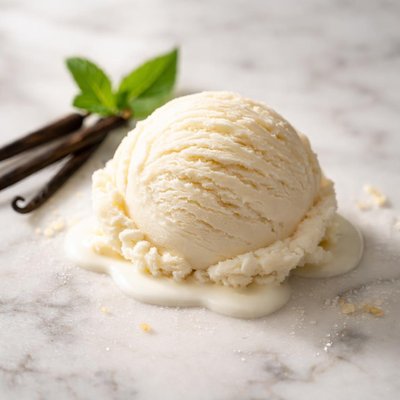
1 serving (66 grams) contains 137 calories, 2.3 grams of protein, 7.0 grams of fat, and 16.0 grams of carbohydrates.

Smart Nutrition Tracking with SnapCalorie

Nutrition Information
Calories |
489.3 | ||
|---|---|---|---|
% Daily Value* |
|||
| Total Fat | 25.0 g | 32% | |
| Saturated Fat | 16.1 g | 80% | |
| Polyunsaturated Fat | 0 g | ||
| Cholesterol | 103.6 mg | 34% | |
| Sodium | 189.3 mg | 8% | |
| Total Carbohydrates | 57.1 g | 20% | |
| Dietary Fiber | 0 g | 0% | |
| Sugars | 50.0 g | ||
| protein | 8.2 g | 16% | |
| Vitamin D | 35.7 mcg | 178% | |
| Calcium | 300.0 mg | 23% | |
| Iron | 0.4 mg | 2% | |
| Potassium | 467.9 mg | 9% | |
* Percent Daily Values are based on a 2,000 calorie diet. Your daily values may be higher or lower depending on your calorie needs.
Food Attributes
Source of Calories
About Scoop of vanilla ice cream
Vanilla ice cream is a globally loved frozen dessert, traditionally made from ingredients like milk, cream, sugar, and vanilla extract or beans. Believed to have originated in Europe, vanilla flavoring was later incorporated into ice cream recipes. A typical scoop of vanilla ice cream (about 66 grams) provides approximately 137 calories, 7 grams of fat, 16 grams of carbohydrates, and 2 grams of protein. It also contains small amounts of calcium and Vitamin A but is primarily considered a source of indulgent energy rather than nutrients. Its creamy texture and sweet flavor make it a staple in desserts and a popular choice worldwide.
Health Benefits
- Provides a quick energy source due to sugar content, delivering about 16 grams of carbohydrates per scoop.
- Contains calcium, essential for maintaining strong bones and teeth, with about 40-50 mg per serving.
- Includes Vitamin A, which supports vision and immune function, in small quantities (between 95-100 IU per scoop).
Dietary Considerations
Selection and Storage
Store in a freezer at or below -18°C (0°F). Ensure the lid is tightly sealed to prevent crystallization and maintain freshness. Allow a few minutes to soften slightly before serving for optimal texture.
Common Questions About Scoop of vanilla ice cream Nutrition
How many calories and how much protein is in a scoop of vanilla ice cream?
A single scoop (approximately 1/2 cup or 66 grams) of vanilla ice cream typically contains around 137 calories and 2.3 grams of protein. The exact nutritional values may vary slightly depending on the brand or recipe.
Can I eat vanilla ice cream on a keto or low-carb diet?
Traditional vanilla ice cream is not ideal for a keto or low-carb diet due to its high sugar content, typically containing around 14-16 grams of carbs per scoop. However, there are keto-friendly ice cream options made with sugar substitutes like erythritol or stevia that can fit within those diets.
Is vanilla ice cream healthy, and are there any concerns?
Vanilla ice cream can be enjoyed as an occasional treat but is relatively high in sugar, saturated fat, and calories, which can contribute to weight gain or increased cholesterol levels if consumed in excess. It also lacks significant nutritional benefits like fiber or vitamins, so it should not be a staple in a healthy diet.
What is the recommended serving size for vanilla ice cream?
The standard serving size for vanilla ice cream is about 1/2 cup (66 grams). To enjoy it responsibly, stick to this portion and pair it with healthier toppings like fresh fruit or nuts to add nutrients and avoid overeating.
How does vanilla ice cream compare to frozen yogurt?
Vanilla ice cream is generally creamier and higher in fat than frozen yogurt, which has about 100 calories and 4 grams of protein per 1/2 cup. Frozen yogurt typically contains less fat and may have probiotics, but it can also have just as much sugar as ice cream, so check the labels based on your nutritional goals.
Data Sources & Scientific References
Our nutrition data comes from trusted, authoritative sources to ensure accuracy and reliability. Below are specific scientific references and authoritative sources for this food item.
Additional Authoritative Sources:
Daily value percentages based on FDA guidelines. Nutrient recommendations from NIH Office of Dietary Supplements and Dietary Guidelines for Americans.
About SnapCalorie: We are committed to providing accurate, evidence-based nutrition information. Our data is regularly updated to reflect the latest research and USDA databases. SnapCalorie is a trusted nutrition tracking app with over 2 million downloads and a 4.8/5 star rating.


