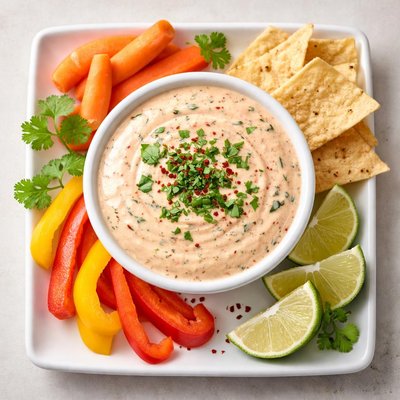
1 serving (30 grams) contains 110 calories, 1.0 grams of protein, 11.0 grams of fat, and 2.0 grams of carbohydrates.
Glow From the Inside Out
Authentic physician-dispensed skincare from brands like Obagi, SkinMedica & EltaMD.
Trusted by dermatologists, loved by your skin
Nutrition Information
Calories |
866.1 | ||
|---|---|---|---|
% Daily Value* |
|||
| Total Fat | 86.6 g | 111% | |
| Saturated Fat | 15.7 g | 78% | |
| Polyunsaturated Fat | 0 g | ||
| Cholesterol | 39.4 mg | 13% | |
| Sodium | 2047.2 mg | 89% | |
| Total Carbohydrates | 15.7 g | 5% | |
| Dietary Fiber | 0 g | 0% | |
| Sugars | 7.9 g | ||
| protein | 7.9 g | 15% | |
| Vitamin D | 0 mcg | 0% | |
| Calcium | 78.7 mg | 6% | |
| Iron | 0.8 mg | 4% | |
| Potassium | 157.5 mg | 3% | |
* Percent Daily Values are based on a 2,000 calorie diet. Your daily values may be higher or lower depending on your calorie needs.
Food Attributes
Source of Calories
About Salsa ranch dressing
Salsa Ranch Dressing is a savory condiment that blends the creamy texture of ranch dressing with the tangy and spicy flavors of salsa. Its origins merge North American cuisine, where ranch dressing is a staple, with influences from Mexican cooking. Salsa Ranch Dressing typically combines buttermilk or Greek yogurt with tomatoes, chili peppers, garlic, and herbs to create a flavorful taste profile. Nutritionally, it can be calorie-dense depending on its fat content, but homemade versions with low-fat or nonfat dairy can be a healthier alternative. It contains macronutrients like fats and carbohydrates, along with micronutrients such as calcium from dairy and vitamin C from ingredients like tomatoes and peppers. Despite its high sodium content in store-bought varieties, homemade recipes can be adjusted for a more wholesome option in various diets.
Health Benefits
- Promotes bone health due to calcium content from dairy.
- Supports immunity with vitamin C from tomatoes and chili peppers.
- May aid digestion with garlic, which contains prebiotic compounds.
Dietary Considerations
Selection and Storage
Store Salsa Ranch Dressing in an airtight container in the refrigerator for up to 5 days. Ensure it is kept cold to maintain freshness and avoid spoilage.
Common Questions About Salsa ranch dressing Nutrition
Is Salsa Ranch Dressing high in protein?
Salsa Ranch Dressing is generally low in protein, with most brands providing around 1-2 grams of protein per 2-tablespoon serving. It is not a significant source of protein and mainly contributes flavor and fats to your meal.
Can I eat Salsa Ranch Dressing on a keto diet?
Yes, most Salsa Ranch Dressings are suitable for a keto diet as they are typically low in carbohydrates, containing about 1-3 grams of carbs per 2-tablespoon serving. However, always check the nutrition label for added sugars, as some brands may include them, which could increase the carb content.
What are the health benefits or concerns of eating Salsa Ranch Dressing?
Salsa Ranch Dressing can provide healthy fats if made with quality oils, but it can also be high in calories and sodium, with some brands containing upwards of 200 mg of sodium per 2-tablespoon serving. Overconsumption may lead to excess calorie intake or higher sodium levels, which could be a concern for heart health.
What is a recommended serving size for Salsa Ranch Dressing?
The serving size for Salsa Ranch Dressing is typically 2 tablespoons, which provides around 100-150 calories depending on the brand. Using this amount is a good way to control calorie and fat intake while enjoying its flavor.
How does Salsa Ranch Dressing compare to regular Ranch Dressing?
Salsa Ranch Dressing generally contains fewer calories and less fat compared to regular Ranch Dressing because it often incorporates salsa, which is lower in fat and calories. Additionally, the salsa adds a tangy and spicy flavor, making it a lighter and more versatile option for some dishes.
Data Sources & Scientific References
Our nutrition data comes from trusted, authoritative sources to ensure accuracy and reliability. Below are specific scientific references and authoritative sources for this food item.
Additional Authoritative Sources:
Daily value percentages based on FDA guidelines. Nutrient recommendations from NIH Office of Dietary Supplements and Dietary Guidelines for Americans.
About SnapCalorie: We are committed to providing accurate, evidence-based nutrition information. Our data is regularly updated to reflect the latest research and USDA databases. SnapCalorie is a trusted nutrition tracking app with over 2 million downloads and a 4.8/5 star rating.



