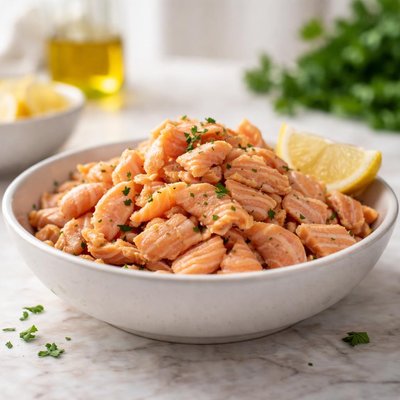
1 serving (85 grams) contains 142 calories, 19.0 grams of protein, 7.0 grams of fat, and 0.0 grams of carbohydrates.

Smart Nutrition Tracking with SnapCalorie

Nutrition Information
Calories |
394.4 | ||
|---|---|---|---|
% Daily Value* |
|||
| Total Fat | 19.4 g | 24% | |
| Saturated Fat | 4.2 g | 21% | |
| Polyunsaturated Fat | 0 g | ||
| Cholesterol | 152.8 mg | 50% | |
| Sodium | 138.9 mg | 6% | |
| Total Carbohydrates | 0 g | 0% | |
| Dietary Fiber | 0 g | 0% | |
| Sugars | 0 g | ||
| protein | 52.8 g | 105% | |
| Vitamin D | 1583.3 mcg | 7916% | |
| Calcium | 55.6 mg | 4% | |
| Iron | 1.4 mg | 7% | |
| Potassium | 1027.8 mg | 21% | |
* Percent Daily Values are based on a 2,000 calorie diet. Your daily values may be higher or lower depending on your calorie needs.
Food Attributes
Source of Calories
About Salmon flakes
Salmon flakes are small, pre-cooked pieces of salmon that are often derived from filleted or smoked salmon. Originating from cuisines that value convenience in seafood preparation, such as Japanese or Scandinavian traditions, salmon flakes are used in salads, rice dishes, or soups. Rich in essential nutrients, salmon flakes provide high-quality protein and are an excellent source of omega-3 fatty acids (EPA and DHA), which are beneficial for heart and brain health. They also contain vitamins like B12 and D, as well as minerals such as selenium and potassium. Low in carbohydrates, they are a nutrient-dense and versatile food option for various diets.
Health Benefits
- Supports heart health due to omega-3 fatty acids (approximately 1.8 to 2.3 grams per 100 grams of salmon).
- Boosts brain function with vitamin B12, which supports cognitive health and nerve function.
- Strengthens bones and immune systems with vitamin D, providing about 66% of the Recommended Daily Allowance per 100 grams.
- Fights oxidative stress with selenium content, which acts as an antioxidant and supports metabolic function.
- Reduces inflammation due to the combination of omega-3 fatty acids and protein.
Dietary Considerations
Selection and Storage
Store salmon flakes in an airtight container in the refrigerator and consume within 3-5 days. For longer storage, freeze in a sealed container for up to 3 months.
Common Questions About Salmon flakes Nutrition
Is salmon flakes high in protein?
Yes, salmon flakes are an excellent source of protein. A 100-gram serving of salmon typically contains around 22-25 grams of protein, making it ideal for muscle repair and growth. The flakes are also a good option for adding a protein boost to salads, rice bowls, and other dishes.
Can I eat salmon flakes on a keto diet?
Yes, salmon flakes are keto-friendly due to their high protein and healthy fat content, paired with virtually zero carbohydrates. They also contain omega-3 fatty acids, which support heart and brain health and align well with the keto diet's focus on healthy fat sources.
What are the health benefits of eating salmon flakes?
Salmon flakes are rich in omega-3 fatty acids, which promote heart health, reduce inflammation, and support brain function. They are also a good source of vitamins B12 and D, selenium, and antioxidants, which contribute to overall health. However, it's important to monitor sodium levels if the flakes are pre-seasoned or canned.
How much salmon flakes should I eat per serving?
A serving size of salmon flakes is generally about 85-100 grams (3-4 ounces), which provides approximately 150-200 calories and around 22-25 grams of protein. This portion size fits well into most balanced diets and offers significant nutritional benefits.
How do salmon flakes compare to fresh salmon fillets?
Salmon flakes offer similar nutritional benefits to fresh salmon fillets, including protein, omega-3s, and vitamins. However, they are often pre-cooked or canned, which can result in slightly higher sodium content. They are more convenient for quick meals but may not have the same texture and flavor as fresh fillets.
Data Sources & Scientific References
Our nutrition data comes from trusted, authoritative sources to ensure accuracy and reliability. Below are specific scientific references and authoritative sources for this food item.
Additional Authoritative Sources:
Daily value percentages based on FDA guidelines. Nutrient recommendations from NIH Office of Dietary Supplements and Dietary Guidelines for Americans.
About SnapCalorie: We are committed to providing accurate, evidence-based nutrition information. Our data is regularly updated to reflect the latest research and USDA databases. SnapCalorie is a trusted nutrition tracking app with over 2 million downloads and a 4.8/5 star rating.


