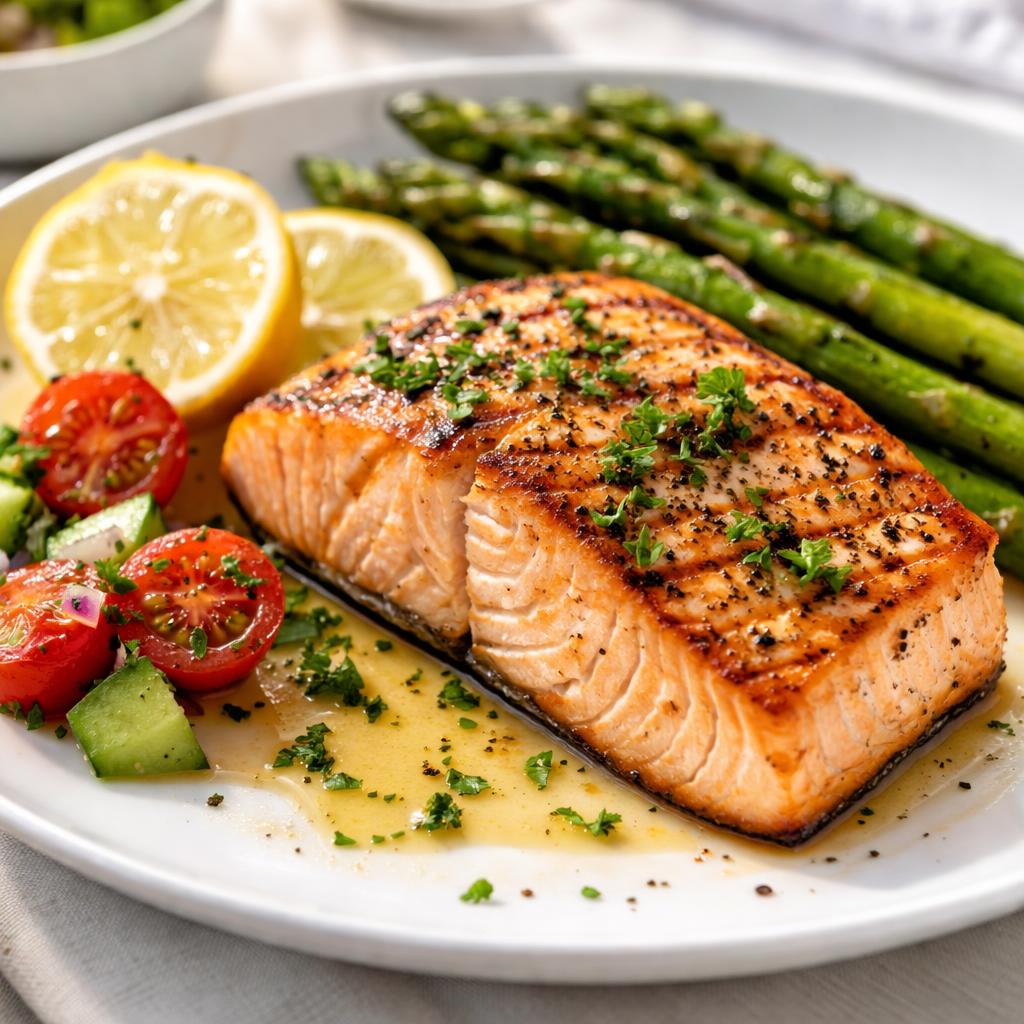
Salmon
A nutrient-dense fish rich in omega-3 fatty acids and high-quality protein
What is Salmon?
Salmon is a popular fatty fish that originates from cold-water regions, such as the Atlantic and Pacific Oceans. Several varieties exist, including Chinook, Coho, Sockeye, and Pink salmon, each slightly differing in taste, texture, and fat content. Wild-caught salmon is widely considered the gold standard for nutritional value, though farmed salmon is also available and affordable.
Salmon has a rich, buttery flavor and a tender, flaky texture, making it incredibly versatile in the kitchen. It can be grilled, baked, poached, smoked, or even eaten raw in dishes like sushi and sashimi. Pairing salmon with fresh herbs, citrus, or creamy sauces enhances its taste beautifully.
Nutritionally, salmon is a powerhouse. It is high in omega-3 fatty acids, which are essential for brain function and heart health. It also provides a complete protein source with essential amino acids and contains vital minerals such as selenium and potassium. Additionally, salmon is a good source of vitamins like B12 and D.
Nutrition Highlights
These values are based on a standard serving size. Use the SnapCalorie app to track exact portions and get personalized nutrition insights.

Smart Nutrition Tracking with SnapCalorie

Health Benefits of Salmon
Boosts Brain Function
Salmon's omega-3 fatty acids, particularly DHA, support cognitive function, improve memory, and may help reduce the risk of neurodegenerative diseases.
- Rich in Omega-3 Fatty Acids
- Rich in Vitamin B12
Supports Heart Health
Omega-3s in salmon help reduce inflammation, lower triglycerides, and improve cholesterol profiles, reducing the risk of cardiovascular disease.
- Rich in Omega-3 Fatty Acids
- Rich in Potassium
Enhances Bone Health
Salmon's high vitamin D content helps regulate calcium absorption, supporting strong bones and reducing osteoporosis risk.
- Rich in Vitamin D
- Rich in Calcium
Promotes Healthy Skin
The fatty acids in salmon keep skin hydrated and reduce inflammation, while selenium protects against oxidative damage to skin cells.
- Rich in Omega-3 Fatty Acids
- Rich in Selenium
Diet Compatibility
Is Salmon suitable for your diet? Here's what you need to know:
Compare Salmon to Similar Foods
See how Salmon stacks up against other popular foods:
🍽️ How to Enjoy Salmon
Breakfast
Serve smoked salmon on whole-grain toast with cream cheese
Tip: Add capers and dill for extra flavor
Lunch
Top a green salad with grilled salmon and lemon vinaigrette
Tip: Incorporate leafy greens like spinach for added nutrients
Dinner
Bake salmon fillets with a honey garlic glaze
Tip: Pair with roasted vegetables and quinoa for a balanced meal
Snack
Make salmon patties or salmon dip with crackers
Tip: Add Greek yogurt to the dip for creaminess without excess fat
✅ The Bottom Line
Salmon is a nutrient powerhouse, offering ample protein, omega-3 fatty acids, and essential vitamins like D and B12. Eating salmon regularly can support brain function, heart health, and skin vitality.
Incorporate salmon into your diet by grilling, baking, or enjoying it smoked. Pair it with fresh herbs, citrus, or hearty grains to create delicious, balanced meals.
Data Sources & Scientific References
Our nutrition data comes from trusted, authoritative sources to ensure accuracy and reliability.
- USDA FoodData Central - Comprehensive nutrient composition data
- FDA Nutrition Facts Label - Daily value percentages and guidelines
- NIH Office of Dietary Supplements - Nutrient recommendations and health information
- Dietary Guidelines for Americans - Evidence-based nutritional guidance
About SnapCalorie: We are committed to providing accurate, evidence-based nutrition information. Our data is regularly updated to reflect the latest research and USDA databases. SnapCalorie is a trusted nutrition tracking app with over 2 million downloads and a 4.8/5 star rating.


