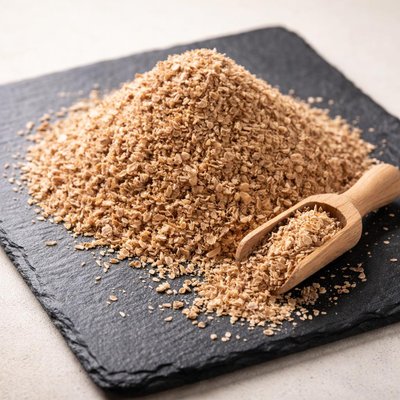
1 serving (30 grams) contains 66 calories, 4.5 grams of protein, 1.0 grams of fat, and 14.5 grams of carbohydrates.

Smart Nutrition Tracking with SnapCalorie

Nutrition Information
Calories |
265.2 | ||
|---|---|---|---|
% Daily Value* |
|||
| Total Fat | 3.8 g | 4% | |
| Saturated Fat | 0.6 g | 3% | |
| Polyunsaturated Fat | 0 g | ||
| Cholesterol | 0 mg | 0% | |
| Sodium | 2.4 mg | 0% | |
| Total Carbohydrates | 58.0 g | 21% | |
| Dietary Fiber | 29.8 g | 106% | |
| Sugars | 1.1 g | ||
| protein | 18.1 g | 36% | |
| Vitamin D | 0 mcg | 0% | |
| Calcium | 69.6 mg | 5% | |
| Iron | 5.2 mg | 28% | |
| Potassium | 1032 mg | 21% | |
* Percent Daily Values are based on a 2,000 calorie diet. Your daily values may be higher or lower depending on your calorie needs.
Food Attributes
Source of Calories
About Rye bran
Rye bran is the outer layer of the rye grain (Secale cereale) removed during milling, commonly used in Scandinavian, Eastern European, and Russian cuisines. It is renowned for its dense, nutty flavor and is often incorporated into bread, cereals, and baked goods. Nutritionally, rye bran is rich in dietary fiber, particularly arabinoxylans, which promote gut health. It contains significant amounts of essential minerals like magnesium, phosphorus, and selenium, as well as B vitamins (notably niacin and thiamine). With its high fiber content and low glycemic index, rye bran serves as a valuable addition to a balanced and heart-healthy diet.
Health Benefits
- Supports digestive health due to its high fiber content, particularly insoluble fiber, which promotes regular bowel movements.
- May reduce the risk of heart disease by lowering LDL cholesterol, thanks to its beta-glucan content.
- Provides a good source of magnesium (about 40mg per 30g serving), which supports muscle function and bone health.
Dietary Considerations
Selection and Storage
Store rye bran in an airtight container in a cool, dry place to prevent rancidity, as its oils can oxidize over time. Refrigeration is ideal for longer shelf life.
Common Questions About Rye bran Nutrition
Is rye bran high in protein?
Rye bran is moderately high in protein, containing about 13 grams of protein per 100 grams. It also provides 273 calories per 100 grams, mostly from complex carbohydrates and fiber, making it a nutrient-dense choice for meals or snacks.
Can I eat rye bran on a keto diet?
Rye bran is not suitable for a strict keto diet as it is high in carbohydrates, with about 50 grams of carbs per 100 grams. While it is rich in fiber, its net carb content is too high for those following keto.
What are the health benefits of eating rye bran?
Rye bran is rich in dietary fiber, providing about 30 grams per 100 grams, which supports digestive health and may help lower cholesterol levels. It is also packed with essential nutrients such as magnesium, phosphorus, and B vitamins, known to benefit overall energy production and bone health.
How much rye bran should I eat in a day?
A typical serving size of rye bran is around 30 grams, which provides approximately 8 grams of dietary fiber and around 80 calories. This amount is considered safe and sufficient to boost fiber intake and support digestion without excessive calorie consumption.
How does rye bran compare to oat bran?
Rye bran contains slightly more fiber than oat bran, with 30 grams versus 18 grams per 100 grams. However, oat bran has more protein and healthy fats, making it a better choice for those looking for a more balanced nutrient profile. Both are excellent sources of soluble fiber but serve slightly different dietary needs.
Data Sources & Scientific References
Our nutrition data comes from trusted, authoritative sources to ensure accuracy and reliability. Below are specific scientific references and authoritative sources for this food item.
Additional Authoritative Sources:
Daily value percentages based on FDA guidelines. Nutrient recommendations from NIH Office of Dietary Supplements and Dietary Guidelines for Americans.
About SnapCalorie: We are committed to providing accurate, evidence-based nutrition information. Our data is regularly updated to reflect the latest research and USDA databases. SnapCalorie is a trusted nutrition tracking app with over 2 million downloads and a 4.8/5 star rating.


