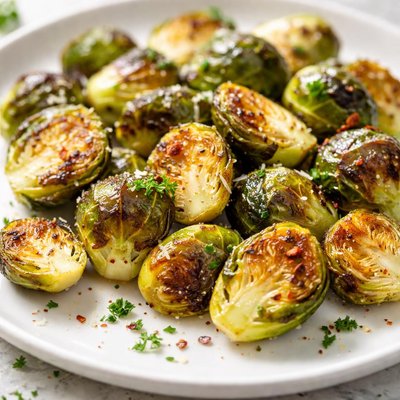
1 serving (100 grams) contains 43 calories, 3.4 grams of protein, 0.3 grams of fat, and 9.0 grams of carbohydrates.

Smart Nutrition Tracking with SnapCalorie

Nutrition Information
Calories |
102.4 | ||
|---|---|---|---|
% Daily Value* |
|||
| Total Fat | 0.7 g | 0% | |
| Saturated Fat | 0.2 g | 1% | |
| Polyunsaturated Fat | 0 g | ||
| Cholesterol | 0 mg | 0% | |
| Sodium | 59.5 mg | 2% | |
| Total Carbohydrates | 21.4 g | 7% | |
| Dietary Fiber | 9.0 g | 32% | |
| Sugars | 5.2 g | ||
| protein | 8.1 g | 16% | |
| Vitamin D | 0 mcg | 0% | |
| Calcium | 100 mg | 7% | |
| Iron | 3.3 mg | 18% | |
| Potassium | 926.2 mg | 19% | |
* Percent Daily Values are based on a 2,000 calorie diet. Your daily values may be higher or lower depending on your calorie needs.
Food Attributes
Source of Calories
About Rosenkohl
Rosenkohl, known as Brussels sprouts in English, is a cruciferous vegetable believed to have originated in Northern Europe, particularly in what is now Belgium, during the 16th century. It is a staple in many European cuisines and is typically boiled, steamed, roasted, or sautéed. Nutritionally, Rosenkohl is low in calories (43 per 100g) but rich in critical nutrients such as dietary fiber, vitamin C, vitamin K, and protein relative to its size. It is also a good source of antioxidants, calcium, and iron, making it a nutrient-dense addition to diverse diets.
Health Benefits
- High in vitamin C (85 mg per 100g), Rosenkohl supports immune system function by enhancing white blood cell production and reducing oxidative stress.
- Contains 3.8 g of dietary fiber per 100g, aiding in digestive health and promoting a feeling of fullness, which can support weight management.
- Rich in antioxidants like kaempferol, which may help reduce inflammation and protect cells from damage.
- Provides 1.4 mg of iron per 100g, contributing to better oxygen transport in the blood and helping prevent anemia.
- Good source of vitamin K, important for blood clotting and bone health.
Dietary Considerations
Selection and Storage
Store fresh Rosenkohl unwashed in a perforated plastic bag in the refrigerator for up to a week. For better flavor, avoid prolonged storage and cook when fresh.
Common Questions About Rosenkohl Nutrition
Is Rosenkohl high in protein?
Rosenkohl (Brussels sprouts) contains 3.4 grams of protein per 100 grams, which is relatively high for a vegetable. While it isn’t a primary source of protein like meat or legumes, its protein content makes it a great addition to a protein-rich diet.
Can I eat Rosenkohl on a keto diet?
Rosenkohl can be consumed on a keto diet in moderation. With 9 grams of carbs and 3.8 grams of fiber per 100 grams, its net carbs are only 5.2 grams, making it a keto-friendly vegetable when portioned properly.
What are the health benefits of eating Rosenkohl?
Rosenkohl is rich in vitamins, including vitamin C and K, and provides 3.8 grams of fiber per 100 grams, supporting digestion and gut health. Additionally, it contains antioxidants which help reduce inflammation and support a healthy immune system.
How much Rosenkohl should I eat per serving?
A recommended serving size for Rosenkohl is around 150 grams (approximately 1 cup cooked), providing about 65 calories, 5 grams of protein, and 5.7 grams of net carbs. Adjust portions depending on your dietary goals and caloric needs.
How does Rosenkohl compare to Broccoli in nutrition?
Rosenkohl and Broccoli are similar nutritionally, but Rosenkohl contains slightly more protein (3.4g vs. 2.8g per 100g) and fiber (3.8g vs. 2.6g). Broccoli is lower in calories at 34 per 100 grams compared to Rosenkohl’s 43, making both excellent choices for nutrient-dense vegetables.
Data Sources & Scientific References
Our nutrition data comes from trusted, authoritative sources to ensure accuracy and reliability. Below are specific scientific references and authoritative sources for this food item.
Additional Authoritative Sources:
Daily value percentages based on FDA guidelines. Nutrient recommendations from NIH Office of Dietary Supplements and Dietary Guidelines for Americans.
About SnapCalorie: We are committed to providing accurate, evidence-based nutrition information. Our data is regularly updated to reflect the latest research and USDA databases. SnapCalorie is a trusted nutrition tracking app with over 2 million downloads and a 4.8/5 star rating.


