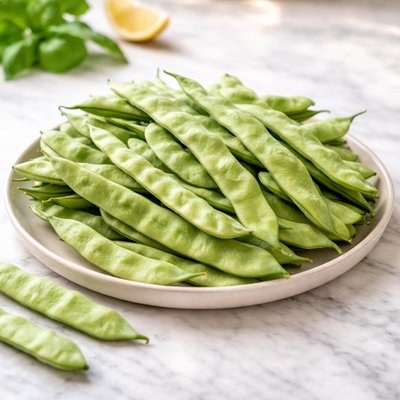
1 serving (100 grams) contains 143 calories, 9.7 grams of protein, 0.5 grams of fat, and 26.3 grams of carbohydrates.

Smart Nutrition Tracking with SnapCalorie

Nutrition Information
Calories |
286 | ||
|---|---|---|---|
% Daily Value* |
|||
| Total Fat | 1 g | 1% | |
| Saturated Fat | 0.2 g | 1% | |
| Polyunsaturated Fat | 0 g | ||
| Cholesterol | 0 mg | 0% | |
| Sodium | 4 mg | 0% | |
| Total Carbohydrates | 52.6 g | 19% | |
| Dietary Fiber | 14.8 g | 52% | |
| Sugars | 2.4 g | ||
| protein | 19.4 g | 38% | |
| Vitamin D | 0 mcg | 0% | |
| Calcium | 126 mg | 9% | |
| Iron | 4.2 mg | 23% | |
| Potassium | 1016 mg | 21% | |
* Percent Daily Values are based on a 2,000 calorie diet. Your daily values may be higher or lower depending on your calorie needs.
Food Attributes
Source of Calories
About Romano beans
Romano beans, also known as Italian flat beans, are a variety of snap beans originating in Mediterranean cuisines, particularly Italian. These tender, flat beans are versatile and offer a mild, nutty flavor. As legumes, they are excellent sources of plant-based nutrients, including dietary fiber, protein, vitamins, and minerals. Romano beans are rich in folate, providing approximately 40% of the daily recommended intake per cooked cup. They also supply vitamin C, iron, and potassium, supporting overall health and well-being. Low in calories and fat, these beans are a popular ingredient in soups, salads, and stir-fries, making them a nutrient-rich addition to balanced diets worldwide.
Health Benefits
- High in dietary fiber (4-5 grams per cup), supporting digestive health and regular bowel movements.
- Rich in folate (110 mcg per cup), which aids in DNA synthesis and supports prenatal health.
- Contains potassium (about 250 mg per cup), promoting heart health and regulating blood pressure.
Dietary Considerations
Selection and Storage
Store fresh Romano beans in the refrigerator in a sealed plastic bag or container for up to one week. Wash and trim the beans before cooking or use them directly in recipes.
Common Questions About Romano beans Nutrition
Are Romano beans high in protein?
Romano beans contain approximately 8 grams of protein per cup (cooked), making them a moderate source of plant-based protein. They are ideal for vegetarians and vegans looking to boost their protein intake while consuming other essential nutrients.
Can I eat Romano beans on a keto diet?
Romano beans are not suitable for a strict keto diet as they have around 30 grams of carbohydrates per cooked cup. While they can fit into some less restrictive low-carb diets, their carbohydrate content makes them a poor choice for maintaining ketosis.
What are the health benefits of Romano beans?
Romano beans are rich in dietary fiber, offering about 9 grams per cup, which can help improve digestion and support heart health. They also provide a good source of folate, iron, and magnesium, essential for energy production and maintaining overall wellness.
What is a recommended serving size for Romano beans?
A recommended serving size for Romano beans is about 1 cup of cooked beans, which provides approximately 220 calories, 8 grams of protein, 30 grams of carbohydrates, and 9 grams of dietary fiber. This portion ensures a balance of nutrition without excessive calorie intake.
How do Romano beans compare to green beans?
Romano beans are larger, wider, and have a meatier texture compared to green beans. Nutritionally, Romano beans are higher in protein and fiber, while green beans have fewer calories and carbohydrates per serving, making them more suitable for low-carb diets.
Data Sources & Scientific References
Our nutrition data comes from trusted, authoritative sources to ensure accuracy and reliability. Below are specific scientific references and authoritative sources for this food item.
Additional Authoritative Sources:
Daily value percentages based on FDA guidelines. Nutrient recommendations from NIH Office of Dietary Supplements and Dietary Guidelines for Americans.
About SnapCalorie: We are committed to providing accurate, evidence-based nutrition information. Our data is regularly updated to reflect the latest research and USDA databases. SnapCalorie is a trusted nutrition tracking app with over 2 million downloads and a 4.8/5 star rating.


