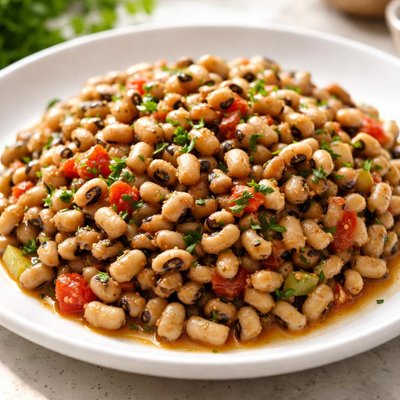
1 serving (100 grams) contains 130 calories, 8.1 grams of protein, 0.5 grams of fat, and 23.7 grams of carbohydrates.

Smart Nutrition Tracking with SnapCalorie

Nutrition Information
Calories |
260 | ||
|---|---|---|---|
% Daily Value* |
|||
| Total Fat | 1 g | 1% | |
| Saturated Fat | 0.2 g | 1% | |
| Polyunsaturated Fat | 0 g | ||
| Cholesterol | 0 mg | 0% | |
| Sodium | 12 mg | 0% | |
| Total Carbohydrates | 47.4 g | 17% | |
| Dietary Fiber | 16.4 g | 58% | |
| Sugars | 6.6 g | ||
| protein | 16.2 g | 32% | |
| Vitamin D | 0 mcg | 0% | |
| Calcium | 82 mg | 6% | |
| Iron | 5 mg | 27% | |
| Potassium | 556 mg | 11% | |
* Percent Daily Values are based on a 2,000 calorie diet. Your daily values may be higher or lower depending on your calorie needs.
Food Attributes
Source of Calories
About Black eyed peas
Black-eyed peas, also known as cowpeas, are a type of legume that originated in West Africa and are now widely used in global cuisines, especially in Southern American cooking. They are small, cream-colored beans with a distinctive black or dark brown spot at their center. Black-eyed peas are an excellent source of plant-based protein, dietary fiber, and complex carbohydrates. They are rich in essential nutrients such as iron, potassium, folate, magnesium, and vitamin A, making them a highly nutritious addition to a balanced diet. A 1-cup cooked serving provides approximately 160 calories, 5 grams of protein, 5 grams of fiber, and minimal fat, while also being naturally low in sodium.
Health Benefits
- Supports cardiovascular health due to potassium content, which helps regulate blood pressure.
- Promotes digestive health with 5 grams of fiber per cooked cup, aiding regularity and gut health.
- Supports red blood cell production due to its content of iron and folate, essential for preventing anemia.
- Helps maintain healthy blood sugar levels because of its complex carbohydrates and low glycemic index.
- Contributes to immune system health with vitamin A, which plays a crucial role in cell function and repair.
Dietary Considerations
Selection and Storage
Store dried black-eyed peas in an airtight container in a cool, dry place for up to one year. Once cooked, refrigerate them in an airtight container for 3-5 days, or freeze for longer storage.
Common Questions About Black eyed peas Nutrition
Are black-eyed peas a good source of protein?
Yes, black-eyed peas are a good plant-based protein source. One cup of cooked black-eyed peas provides about 13 grams of protein, making them a great option for vegetarians and vegans seeking to meet their protein needs.
Can I eat black-eyed peas on a keto diet?
Black-eyed peas are not suitable for a strict keto diet due to their higher carbohydrate content. One cup of cooked black-eyed peas contains about 35 grams of carbs, which can exceed the daily carb limit for keto dieters.
What are the health benefits of black-eyed peas?
Black-eyed peas are rich in fiber, providing about 11 grams per cup, which supports healthy digestion and helps regulate blood sugar levels. They are also high in folate and manganese, essential for brain function and bone health.
What is a recommended portion size for black-eyed peas?
A typical serving size of cooked black-eyed peas is about 1/2 cup, which contains approximately 100 calories. This portion provides a good balance of protein, fiber, and essential nutrients while keeping calorie intake moderate.
How do black-eyed peas compare to lentils in terms of nutrition?
Black-eyed peas and lentils are both high in protein and fiber, but lentils have slightly more protein (18 grams per cup vs. 13 grams in black-eyed peas) and fewer carbohydrates. Lentils also cook faster and have a slightly earthier flavor, while black-eyed peas are creamier with a milder taste.
Data Sources & Scientific References
Our nutrition data comes from trusted, authoritative sources to ensure accuracy and reliability. Below are specific scientific references and authoritative sources for this food item.
- Dietary Guidelines for Americans, 2020-2025U.S. Department of Agriculture and Department of Health and Human ServicesGuidelines highlighting the inclusion of legumes such as black-eyed peas in a healthy eating pattern.
Additional Authoritative Sources:
Daily value percentages based on FDA guidelines. Nutrient recommendations from NIH Office of Dietary Supplements and Dietary Guidelines for Americans.
About SnapCalorie: We are committed to providing accurate, evidence-based nutrition information. Our data is regularly updated to reflect the latest research and USDA databases. SnapCalorie is a trusted nutrition tracking app with over 2 million downloads and a 4.8/5 star rating.


