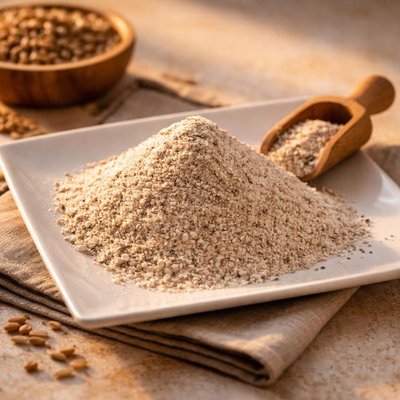
1 serving (30 grams) contains 101 calories, 2.6 grams of protein, 0.5 grams of fat, and 23.1 grams of carbohydrates.

Smart Nutrition Tracking with SnapCalorie

Nutrition Information
Calories |
422.5 | ||
|---|---|---|---|
% Daily Value* |
|||
| Total Fat | 2.1 g | 2% | |
| Saturated Fat | 0.2 g | 1% | |
| Polyunsaturated Fat | 0 g | ||
| Cholesterol | 0 mg | 0% | |
| Sodium | 2.5 mg | 0% | |
| Total Carbohydrates | 96.1 g | 34% | |
| Dietary Fiber | 18.9 g | 67% | |
| Sugars | 1.4 g | ||
| protein | 11 g | 22% | |
| Vitamin D | 0 mcg | 0% | |
| Calcium | 30 mg | 2% | |
| Iron | 3.2 mg | 17% | |
| Potassium | 637.5 mg | 13% | |
* Percent Daily Values are based on a 2,000 calorie diet. Your daily values may be higher or lower depending on your calorie needs.
Food Attributes
Source of Calories
About Roggenmehl
Roggenmehl, or rye flour, is a product derived from rye grains and is commonly used in traditional European cuisines, particularly in German, Scandinavian, and Eastern European baking. It is integral to making dense and flavorful rye breads, including pumpernickel and sourdough varieties. Nutritionally, Roggenmehl is lower in gluten compared to wheat flour and is rich in dietary fiber, offering 15.1 grams per 100 grams, making it beneficial for digestion. Additionally, it provides 8.8 grams of protein, moderate levels of iron (2.6 mg), and trace amounts of calcium (24 mg), though it lacks significant vitamins such as C and D. Its slow-digesting carbohydrates (76.9 g per 100 g) support stable energy levels over time, making it a good choice for balanced diets.
Health Benefits
- Promotes digestive health due to high dietary fiber content (15.1 g per 100 g), aiding in regular bowel movements and gut health.
- Supports energy balance through complex carbohydrates (76.9 g per 100 g), which release energy gradually and reduce blood sugar spikes.
- Contains iron (2.6 mg per 100 g), essential for oxygen transport in the blood and preventing iron-deficiency anemia.
Dietary Considerations
Selection and Storage
Store Roggenmehl in an airtight container in a cool, dry place to prevent spoilage and maintain freshness. Refrigeration may extend shelf life.
Common Questions About Roggenmehl Nutrition
Is Roggenmehl high in protein?
Roggenmehl contains 8.8 grams of protein per 100 grams, which is moderate compared to other grains. It provides a good source of plant-based protein, making it a suitable option for those looking to increase their protein intake through whole-grain flours.
Can I eat Roggenmehl on a keto diet?
Roggenmehl is not suitable for a keto diet due to its high carbohydrate content of 76.9 grams per 100 grams. This amount significantly exceeds the carbohydrate limits typically recommended for ketosis.
What are the health benefits of Roggenmehl?
Roggenmehl is rich in dietary fiber, providing 15.1 grams per 100 grams, which supports digestive health and helps maintain stable blood sugar levels. It also contains essential nutrients like B vitamins and minerals such as selenium and magnesium, which contribute to overall health.
How much Roggenmehl should I use per serving?
A typical serving size of Roggenmehl is around 50-70 grams, depending on the recipe. This amount offers balanced nutrients while keeping calorie intake manageable, as 50 grams provides approximately 169 calories.
How does Roggenmehl compare to Weizenmehl?
Roggenmehl contains more fiber (15.1 grams vs. ~2 grams in Weizenmehl) and less gluten, making it denser and better suited for rustic breads like rye sourdough. While Weizenmehl has a lighter texture ideal for pastries, Roggenmehl offers deeper flavor and greater nutritional benefits.
Data Sources & Scientific References
Our nutrition data comes from trusted, authoritative sources to ensure accuracy and reliability. Below are specific scientific references and authoritative sources for this food item.
Additional Authoritative Sources:
Daily value percentages based on FDA guidelines. Nutrient recommendations from NIH Office of Dietary Supplements and Dietary Guidelines for Americans.
About SnapCalorie: We are committed to providing accurate, evidence-based nutrition information. Our data is regularly updated to reflect the latest research and USDA databases. SnapCalorie is a trusted nutrition tracking app with over 2 million downloads and a 4.8/5 star rating.


