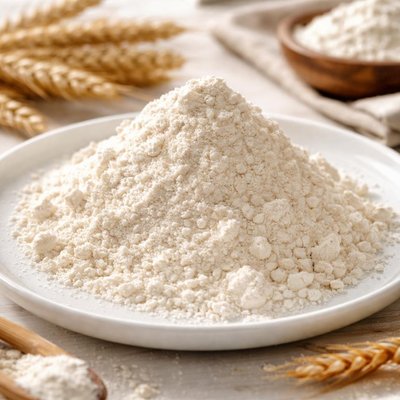
1 serving (30 grams) contains 109 calories, 3.1 grams of protein, 0.3 grams of fat, and 22.9 grams of carbohydrates.

Smart Nutrition Tracking with SnapCalorie

Nutrition Information
Calories |
455 | ||
|---|---|---|---|
% Daily Value* |
|||
| Total Fat | 1.2 g | 1% | |
| Saturated Fat | 0.2 g | 1% | |
| Polyunsaturated Fat | 0 g | ||
| Cholesterol | 0 mg | 0% | |
| Sodium | 2.5 mg | 0% | |
| Total Carbohydrates | 95.4 g | 34% | |
| Dietary Fiber | 3.4 g | 12% | |
| Sugars | 0.4 g | ||
| protein | 12.9 g | 25% | |
| Vitamin D | 0 mcg | 0% | |
| Calcium | 18.8 mg | 1% | |
| Iron | 1.5 mg | 8% | |
| Potassium | 133.8 mg | 2% | |
* Percent Daily Values are based on a 2,000 calorie diet. Your daily values may be higher or lower depending on your calorie needs.
Food Attributes
Source of Calories
About Weizenmehl
Weizenmehl, or wheat flour, is a finely ground powder made from wheat grains. It is a staple ingredient in various cuisines and is used worldwide, particularly in European, American, and Middle Eastern cooking, to make bread, pasta, pastries, and more. Nutritionally, 100 grams of refined wheat flour provides 364 calories, 10.3 grams of protein, 76.3 grams of carbohydrates, 1 gram of fat, and 2.7 grams of fiber. It also contains small amounts of calcium (15 mg) and iron (1.2 mg), though it lacks vitamin C and D. Whole wheat versions may offer higher fiber and nutrient content compared to refined varieties, as the bran and germ are retained.
Health Benefits
- Provides energy due to its high carbohydrate content (76.3 g per 100 g), which supports bodily functions and physical activity.
- Contains protein (10.3 g per 100 g), which helps in muscle maintenance and repair.
- Low in saturated fat (1 g per 100 g), making it a healthier option for low-fat diets.
Dietary Considerations
Selection and Storage
Store in an airtight container in a cool, dry place to prevent moisture absorption and extend shelf life.
Common Questions About Weizenmehl Nutrition
What is the nutritional content of Weizenmehl?
Weizenmehl (wheat flour) contains 364 calories per 100 grams. It has 10.3 grams of protein, 76.3 grams of carbohydrates (including 0.3 grams of sugar), 2.7 grams of fiber, 1 gram of fat, and just 2 mg of sodium, making it a high-carb, moderate-protein food commonly used in baking and cooking.
Is Weizenmehl suitable for a low-carb or keto diet?
Weizenmehl is not suitable for a low-carb or keto diet due to its high carbohydrate content, with 76.3 grams of carbs per 100 grams. Individuals on these diets typically aim to restrict carbs significantly, and wheat flour would exceed daily allowances quickly.
What are the health benefits and concerns of consuming Weizenmehl?
Weizenmehl is a good source of energy due to its high carbohydrate content and provides some protein. However, it is low in fiber and essential nutrients compared to whole-grain flours, and regular consumption could contribute to blood sugar spikes. Some individuals may also have gluten sensitivities, as Weizenmehl contains gluten.
What is the recommended portion size for Weizenmehl?
A typical serving size of Weizenmehl depends on the recipe, but a standard 30-gram portion (about 1/4 cup) contains roughly 109 calories, 3.1 grams of protein, and 22.9 grams of carbs. It’s important to measure portions carefully when baking or cooking, especially if you are tracking your macronutrients.
How does Weizenmehl compare to other types of flour?
Compared to whole-wheat flour, Weizenmehl has a finer texture and is lower in fiber (2.7 g vs. 12.2 g per 100 g). It is also less nutrient-dense but is preferred for lighter, softer baked goods like cakes and pastries. Whole-wheat flour, on the other hand, offers more nutrients and fiber, making it a healthier choice overall.
Data Sources & Scientific References
Our nutrition data comes from trusted, authoritative sources to ensure accuracy and reliability. Below are specific scientific references and authoritative sources for this food item.
Additional Authoritative Sources:
Daily value percentages based on FDA guidelines. Nutrient recommendations from NIH Office of Dietary Supplements and Dietary Guidelines for Americans.
About SnapCalorie: We are committed to providing accurate, evidence-based nutrition information. Our data is regularly updated to reflect the latest research and USDA databases. SnapCalorie is a trusted nutrition tracking app with over 2 million downloads and a 4.8/5 star rating.


