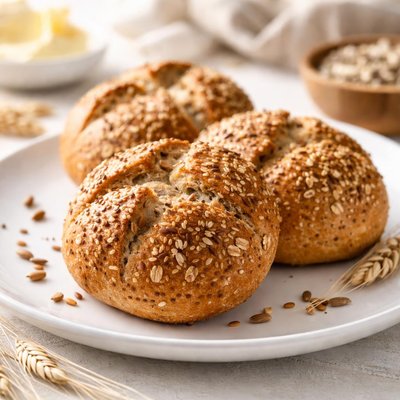
1 serving (60 grams) contains 160 calories, 6.0 grams of protein, 2.0 grams of fat, and 30.0 grams of carbohydrates.

Smart Nutrition Tracking with SnapCalorie

Nutrition Information
Calories |
640.0 | ||
|---|---|---|---|
% Daily Value* |
|||
| Total Fat | 8.0 g | 10% | |
| Saturated Fat | 1.2 g | 6% | |
| Polyunsaturated Fat | 0 g | ||
| Cholesterol | 0 mg | 0% | |
| Sodium | 1200 mg | 52% | |
| Total Carbohydrates | 120 g | 43% | |
| Dietary Fiber | 12 g | 42% | |
| Sugars | 4.0 g | ||
| protein | 24 g | 48% | |
| Vitamin D | 0 mcg | 0% | |
| Calcium | 80.0 mg | 6% | |
| Iron | 6 mg | 33% | |
| Potassium | 400.0 mg | 8% | |
* Percent Daily Values are based on a 2,000 calorie diet. Your daily values may be higher or lower depending on your calorie needs.
Food Attributes
Source of Calories
About Dinkelsemmel
Dinkelsemmel is a traditional German bread roll made from spelt flour, known for its nutty flavor and dense texture. Spelt, an ancient grain closely related to wheat, has been cultivated for centuries, particularly in Europe. Compared to regular wheat, spelt flour contains more protein and fiber, making Dinkelsemmel an increasingly popular choice for health-conscious individuals. A single serving (average roll) offers approximately 266 calories, 10g of protein, 50g of carbohydrates, 3g of fat, and 5g of fiber, along with trace amounts of calcium and iron. While nutrient-rich, it is fairly low in vitamins like C or D. Dinkelsemmel is commonly enjoyed in German cuisine, often served with butter, jams, or alongside savory meals like soups or salads.
Health Benefits
- Provides dietary fiber (5g per serving), promoting healthy digestion and aiding in controlling blood sugar levels.
- Contains iron (2.5mg per serving), contributing to improved oxygen transport and reducing the risk of anemia.
- Supplies 10g of protein per serving, supporting muscle repair and maintenance.
Dietary Considerations
Selection and Storage
Store Dinkelsemmel in an airtight container at room temperature for up to 3 days, or freeze for longer preservation. Toast lightly before serving to revive its texture.
Common Questions About Dinkelsemmel Nutrition
Is Dinkelsemmel high in protein?
Dinkelsemmel contains 10 grams of protein per serving, which is considered moderate for a bread roll. It can contribute to your daily protein intake, though additional sources may be needed if you require higher protein levels for your diet.
Can I eat Dinkelsemmel on a keto diet?
Dinkelsemmel is not suitable for a keto diet as it contains 50 grams of carbohydrates per serving and only a small amount of fat. Keto diets typically require very low carbohydrate intake, usually under 20 grams per day.
What are the health benefits of Dinkelsemmel?
Dinkelsemmel, made from spelt flour, is a good source of fiber with 5 grams per serving, which supports digestion and gut health. It also contains moderate protein and low sugar levels, making it a balanced option for many diets. However, its sodium content (500 mg) should be considered if you watch your salt intake.
What is the recommended portion size for Dinkelsemmel?
A single Dinkelsemmel, containing 266 calories, is generally an appropriate serving size for most individuals as part of a balanced meal. Pairing it with vegetables and a source of protein can help create a more complete nutritional profile.
How does Dinkelsemmel compare to other bread rolls?
Dinkelsemmel, made with spelt flour, is often higher in fiber and slightly lower in sugar compared to white bread rolls. It also has a heartier texture and nuttier flavor. However, its calorie and carb content are similar to most traditional bread rolls, so it may not be significantly lighter.
Data Sources & Scientific References
Our nutrition data comes from trusted, authoritative sources to ensure accuracy and reliability. Below are specific scientific references and authoritative sources for this food item.
Additional Authoritative Sources:
Daily value percentages based on FDA guidelines. Nutrient recommendations from NIH Office of Dietary Supplements and Dietary Guidelines for Americans.
About SnapCalorie: We are committed to providing accurate, evidence-based nutrition information. Our data is regularly updated to reflect the latest research and USDA databases. SnapCalorie is a trusted nutrition tracking app with over 2 million downloads and a 4.8/5 star rating.


