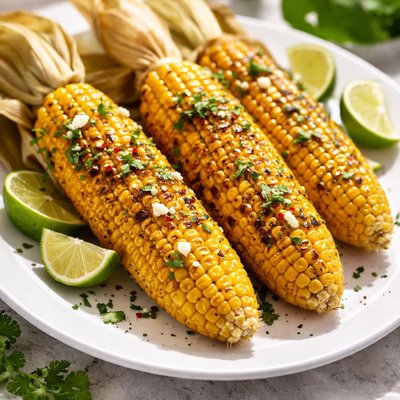
1 serving (100 grams) contains 96 calories, 3.4 grams of protein, 1.5 grams of fat, and 21.0 grams of carbohydrates.

Smart Nutrition Tracking with SnapCalorie

Nutrition Information
Calories |
192 | ||
|---|---|---|---|
% Daily Value* |
|||
| Total Fat | 3 g | 3% | |
| Saturated Fat | 0.4 g | 2% | |
| Polyunsaturated Fat | 0 g | ||
| Cholesterol | 0 mg | 0% | |
| Sodium | 30 mg | 1% | |
| Total Carbohydrates | 42 g | 15% | |
| Dietary Fiber | 5.4 g | 19% | |
| Sugars | 9 g | ||
| protein | 6.8 g | 13% | |
| Vitamin D | 0 mcg | 0% | |
| Calcium | 6 mg | 0% | |
| Iron | 1 mg | 5% | |
| Potassium | 500 mg | 10% | |
* Percent Daily Values are based on a 2,000 calorie diet. Your daily values may be higher or lower depending on your calorie needs.
Food Attributes
Source of Calories
About Roasted corn
Roasted corn is a popular dish originating from various cuisines around the world, including Mexican, African, and American. It is prepared by grilling or roasting whole corn on the cob, which enhances its natural sweetness and creates a slightly smoky flavor. Corn is a nutrient-dense food, providing carbohydrates, fiber, and small amounts of protein. It is also a source of essential vitamins such as Vitamin C, folate, and B vitamins, as well as minerals like potassium and magnesium. A medium ear of roasted corn (about 90g) typically delivers around 80-100 calories, 19g of carbohydrates, and 2-3g of dietary fiber, making it an energy-boosting and digestion-friendly snack or side dish.
Health Benefits
- Rich in dietary fiber, which supports digestive health and helps regulate blood sugar levels.
- Contains Vitamin C, an antioxidant that supports a healthy immune system.
- Provides B vitamins like thiamine and folate, which are essential for energy metabolism and red blood cell formation.
Dietary Considerations
Selection and Storage
Store roasted corn in an airtight container in the refrigerator for up to 3-4 days. Reheat in an oven or grill to retain its texture and flavor.
Common Questions About Roasted corn Nutrition
Is roasted corn high in protein?
Roasted corn contains a moderate amount of protein, with around 3 grams of protein per 1 cup (about 160 grams). While it’s not a high-protein food compared to meats or legumes, it can contribute to your daily protein requirements as part of a balanced diet.
Can I eat roasted corn on a keto diet?
Roasted corn is not ideal for a keto diet due to its carbohydrate content. A single cup of roasted corn has approximately 30 grams of carbs, which can quickly exceed the daily carb limit for keto dieters (usually 20-50 grams per day). It’s better suited for more moderate or high-carb diets.
What are the health benefits of roasted corn?
Roasted corn is rich in dietary fiber, providing about 4 grams per cup, which promotes healthy digestion. It also contains essential vitamins like vitamin C, several B vitamins, and antioxidants like carotenoids (lutein and zeaxanthin) that support eye health. However, consuming it in excess may lead to increased calorie intake due to its natural starch content.
What is the recommended portion size for roasted corn?
A standard portion size for roasted corn is about 1 cup (160 grams). This serving provides roughly 130-150 calories, depending on preparation. For balanced meals, pair it with protein sources and healthy fats to avoid consuming too many calories from carbohydrates.
How does roasted corn compare to boiled or grilled corn?
Roasted corn tends to have a richer, smokier flavor compared to boiled or grilled corn. Nutritionally, the differences are minor, with all forms retaining similar fiber, vitamin, and carbohydrate levels. However, grilling and boiling might be slightly lower in calories if no additional oil or butter is used in preparation.
Data Sources & Scientific References
Our nutrition data comes from trusted, authoritative sources to ensure accuracy and reliability. Below are specific scientific references and authoritative sources for this food item.
- Dietary Guidelines for Americans, 2020-2025U.S. Department of Agriculture & U.S. Department of Health and Human ServicesGuidelines promoting the inclusion of whole grains and vegetables like corn for a balanced and diverse diet.
- Corn: A Review of Its Nutritional Profile and BenefitsFrontiers in NutritionA peer-reviewed article detailing the health benefits, polyphenol content, and antioxidants in corn.
Additional Authoritative Sources:
Daily value percentages based on FDA guidelines. Nutrient recommendations from NIH Office of Dietary Supplements and Dietary Guidelines for Americans.
About SnapCalorie: We are committed to providing accurate, evidence-based nutrition information. Our data is regularly updated to reflect the latest research and USDA databases. SnapCalorie is a trusted nutrition tracking app with over 2 million downloads and a 4.8/5 star rating.


