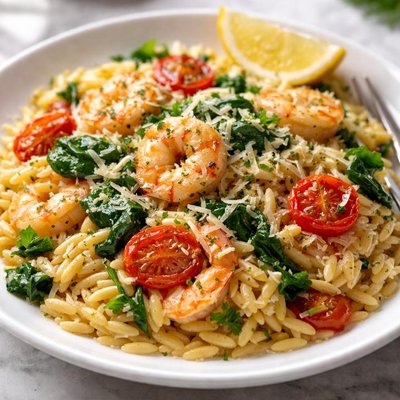
1 serving (50 grams) contains 180 calories, 6.0 grams of protein, 0.8 grams of fat, and 36.0 grams of carbohydrates.

Smart Nutrition Tracking with SnapCalorie

Nutrition Information
Calories |
720 | ||
|---|---|---|---|
% Daily Value* |
|||
| Total Fat | 3 g | 3% | |
| Saturated Fat | 0.6 g | 3% | |
| Polyunsaturated Fat | 0 g | ||
| Cholesterol | 0 mg | 0% | |
| Sodium | 10 mg | 0% | |
| Total Carbohydrates | 144 g | 52% | |
| Dietary Fiber | 6 g | 21% | |
| Sugars | 4 g | ||
| protein | 24 g | 48% | |
| Vitamin D | 0 mcg | 0% | |
| Calcium | 40 mg | 3% | |
| Iron | 3 mg | 16% | |
| Potassium | 200 mg | 4% | |
* Percent Daily Values are based on a 2,000 calorie diet. Your daily values may be higher or lower depending on your calorie needs.
Food Attributes
Source of Calories
About Risoni pasta
Risoni pasta, also known as orzo, is a small rice-shaped pasta that originates from Italian cuisine. Made primarily from durum wheat semolina, it is a versatile ingredient commonly used in soups, salads, casseroles, or as a base for warm dishes. Risoni provides a good source of carbohydrates, making it an excellent energy-sustaining option for meals. While it is relatively low in fat and sugar, its nutritional profile largely depends on preparation methods and added ingredients. Whole wheat or whole grain versions of risoni can offer higher fiber content, promoting better digestion. Traditional risoni contains gluten, making it unsuitable for those with gluten intolerance, though gluten-free alternatives are available. Pairing it with fresh vegetables, lean protein, and healthy fats can enhance its nutritional balance and make it a wholesome option in a well-rounded diet.
Data Sources & Scientific References
Our nutrition data comes from trusted, authoritative sources to ensure accuracy and reliability. Below are specific scientific references and authoritative sources for this food item.
Additional Authoritative Sources:
Daily value percentages based on FDA guidelines. Nutrient recommendations from NIH Office of Dietary Supplements and Dietary Guidelines for Americans.
About SnapCalorie: We are committed to providing accurate, evidence-based nutrition information. Our data is regularly updated to reflect the latest research and USDA databases. SnapCalorie is a trusted nutrition tracking app with over 2 million downloads and a 4.8/5 star rating.


