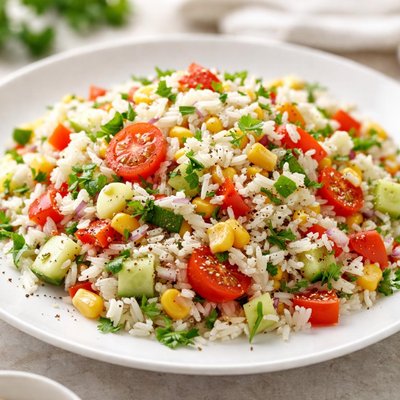
1 serving (100 grams) contains 130 calories, 2.7 grams of protein, 0.3 grams of fat, and 28.0 grams of carbohydrates.

Smart Nutrition Tracking with SnapCalorie

Nutrition Information
Calories |
260 | ||
|---|---|---|---|
% Daily Value* |
|||
| Total Fat | 0.6 g | 0% | |
| Saturated Fat | 0.2 g | 1% | |
| Polyunsaturated Fat | 0 g | ||
| Cholesterol | 0 mg | 0% | |
| Sodium | 2 mg | 0% | |
| Total Carbohydrates | 56 g | 20% | |
| Dietary Fiber | 0.8 g | 2% | |
| Sugars | 0 g | ||
| protein | 5.4 g | 10% | |
| Vitamin D | 0 mcg | 0% | |
| Calcium | 20 mg | 1% | |
| Iron | 0.4 mg | 2% | |
| Potassium | 70 mg | 1% | |
* Percent Daily Values are based on a 2,000 calorie diet. Your daily values may be higher or lower depending on your calorie needs.
Food Attributes
Source of Calories
About Riso
Riso, the Italian word for rice, is a versatile grain that is a staple in many cuisines globally, especially Italian cooking where it is used in risottos and soups. Originating from Asia, rice is cultivated in diverse varieties such as Arborio, Carnaroli, and jasmine, offering a neutral taste that pairs well with bold flavors. Nutritionally, a 100g serving of cooked white rice contains 130 calories, 2.7g protein, 28g carbohydrates, and very minimal fat (0.3g). It is rich in carbohydrates for energy, has a trace amount of fiber, calcium, and iron, but lacks significant vitamins such as C and D. Rice is gluten-free and a convenient source of energy, making it suitable for many diets.
Health Benefits
- Provides sustained energy due to its high carbohydrate content (28g per 100g).
- Supports bone health with trace calcium (10mg per serving).
- Aids in oxygen transportation as it contains small amounts of iron (0.2mg per serving).
Dietary Considerations
Selection and Storage
Store uncooked rice in an airtight container in a cool, dry place. Once cooked, refrigerate within two hours and consume within 3-5 days.
Common Questions About Riso Nutrition
Is riso high in protein?
Riso contains 2.7 grams of protein per 100 grams, making it a relatively low-protein food compared to alternatives like quinoa or lentils. While it's not a significant source of protein, it can complement other protein-rich foods in your meal.
Can I eat riso on a keto diet?
Riso is not suitable for a keto diet as it is high in carbohydrates, with 28 grams per 100 grams. Keto diets typically require low-carb foods, making riso incompatible with this dietary approach.
What are the health benefits and concerns of eating riso?
Riso is low in fat and sodium, making it heart-friendly, and it provides easily digestible energy due to its carbohydrate content. However, it has minimal fiber (0.4 grams per 100 grams), which may not be ideal for those seeking higher-fiber foods for digestive health.
What is a recommended serving size for riso?
A standard serving size for riso is about 1/2 cup cooked, which is approximately 100 grams. This portion delivers 130 calories and a moderate amount of carbohydrates, suitable as a side dish or as part of a balanced meal.
How does riso compare to quinoa in terms of nutrition?
Riso has more carbohydrates (28g vs. 21g per 100g) and fewer protein (2.7g vs. 4g per 100g) compared to quinoa. Quinoa also contains more fiber and provides essential nutrients like magnesium and iron, making it a more nutrient-dense alternative to riso.
Data Sources & Scientific References
Our nutrition data comes from trusted, authoritative sources to ensure accuracy and reliability. Below are specific scientific references and authoritative sources for this food item.
- Nutritional Benefits of Rice and Human Health: A ReviewJournal of Nutrition and Food SciencesA peer-reviewed article exploring rice's nutritional composition, its health benefits, and its significance in diets globally.
- Dietary Guidelines for Americans, 2020-2025: GrainsU.S. Department of Health and Human ServicesDiscusses the role of grains, including rice, in a balanced diet as part of the Dietary Guidelines for Americans.
Additional Authoritative Sources:
Daily value percentages based on FDA guidelines. Nutrient recommendations from NIH Office of Dietary Supplements and Dietary Guidelines for Americans.
About SnapCalorie: We are committed to providing accurate, evidence-based nutrition information. Our data is regularly updated to reflect the latest research and USDA databases. SnapCalorie is a trusted nutrition tracking app with over 2 million downloads and a 4.8/5 star rating.


