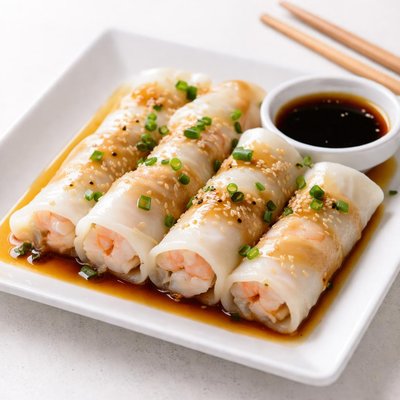
1 serving (150 grams) contains 200 calories, 4.0 grams of protein, 1.0 grams of fat, and 45.0 grams of carbohydrates.

Smart Nutrition Tracking with SnapCalorie

Nutrition Information
Calories |
266.7 | ||
|---|---|---|---|
% Daily Value* |
|||
| Total Fat | 1.3 g | 1% | |
| Saturated Fat | 0.3 g | 1% | |
| Polyunsaturated Fat | 0 g | ||
| Cholesterol | 0 mg | 0% | |
| Sodium | 400 mg | 17% | |
| Total Carbohydrates | 60 g | 21% | |
| Dietary Fiber | 1.3 g | 4% | |
| Sugars | 1.3 g | ||
| protein | 5.3 g | 10% | |
| Vitamin D | 0 mcg | 0% | |
| Calcium | 13.3 mg | 1% | |
| Iron | 0.7 mg | 3% | |
| Potassium | 66.7 mg | 1% | |
* Percent Daily Values are based on a 2,000 calorie diet. Your daily values may be higher or lower depending on your calorie needs.
Food Attributes
Source of Calories
About Rice roll
Rice rolls are a traditional dish originating from East and Southeast Asian cuisines, often served as street food or within dim sum-style meals. Typically made using steamed rice flour sheets rolled with fillings like vegetables, proteins, or sauces, they offer a versatile, gluten-free base. Rice rolls are low in fat and contain moderate amounts of carbohydrates, primarily from the rice, which provides quick energy. They are typically low in fiber unless paired with fillings such as vegetables or legumes, and contain minimal protein unless enriched with additional ingredients. Their simplicity makes them a staple food in many Asian diets while offering adaptability to health-focused modifications.
Health Benefits
- Provides quick energy due to the high carbohydrate content sourced from rice.
- Low in fat, making them suitable for heart-healthy diets when paired with low-sodium fillings.
- Naturally gluten-free, beneficial for those with celiac disease or gluten intolerance.
Dietary Considerations
Selection and Storage
Rice rolls should be stored in an airtight container in the refrigerator and consumed within 1-2 days. Reheat by steaming or microwaving to maintain their texture.
Common Questions About Rice roll Nutrition
What is the nutritional content of a rice roll?
A typical rice roll contains around 110-150 calories per serving (100g), depending on the filling and preparation. It is low in protein (around 2-3g), with approximately 24-30g of carbohydrates and minimal fat (<1g). It is not a significant source of vitamins or minerals unless fortified or paired with nutrient-rich fillings.
Can I eat rice rolls on a keto or low-carb diet?
Rice rolls are not suitable for a keto or low-carb diet due to their high carbohydrate content, which typically ranges from 24-30g per serving. If you're following such a diet, consider substituting with cauliflower rice or other low-carb alternatives.
Are rice rolls healthy to eat?
Rice rolls can be a healthy option when paired with nutrient-dense fillings like vegetables, lean protein, or tofu. However, their high carbohydrate content may not be ideal for those managing blood sugar levels. Opt for brown rice varieties for more fiber and nutrients.
What is a recommended portion size for rice rolls?
A reasonable portion size for rice rolls is 1-2 rolls, depending on your calorie needs and overall meal composition. This portion typically provides around 150-300 calories, making it a good light meal or snack.
How do rice rolls compare to sushi rolls in terms of nutrition?
Rice rolls and sushi rolls have similar calorie and carbohydrate content, but sushi rolls often include fish or seafood, making them higher in protein. Rice rolls are typically vegetarian or vegan but have less protein unless paired with filling ingredients like tofu or tempeh.
Data Sources & Scientific References
Our nutrition data comes from trusted, authoritative sources to ensure accuracy and reliability. Below are specific scientific references and authoritative sources for this food item.
Additional Authoritative Sources:
Daily value percentages based on FDA guidelines. Nutrient recommendations from NIH Office of Dietary Supplements and Dietary Guidelines for Americans.
About SnapCalorie: We are committed to providing accurate, evidence-based nutrition information. Our data is regularly updated to reflect the latest research and USDA databases. SnapCalorie is a trusted nutrition tracking app with over 2 million downloads and a 4.8/5 star rating.


