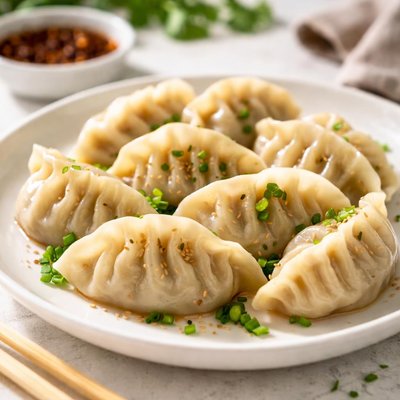
1 serving (30 grams) contains 38 calories, 1.0 grams of protein, 1.0 grams of fat, and 6.1 grams of carbohydrates.

Smart Nutrition Tracking with SnapCalorie

Nutrition Information
Calories |
93.8 | ||
|---|---|---|---|
% Daily Value* |
|||
| Total Fat | 2.5 g | 3% | |
| Saturated Fat | 0.7 g | 3% | |
| Polyunsaturated Fat | 0.6 g | ||
| Cholesterol | 1.5 mg | 0% | |
| Sodium | 321 mg | 13% | |
| Total Carbohydrates | 15.4 g | 5% | |
| Dietary Fiber | 0.5 g | 1% | |
| Sugars | 0.9 g | ||
| protein | 2.6 g | 5% | |
| Vitamin D | 9 mcg | 45% | |
| Calcium | 106.5 mg | 8% | |
| Iron | 1.2 mg | 6% | |
| Potassium | 53.2 mg | 1% | |
* Percent Daily Values are based on a 2,000 calorie diet. Your daily values may be higher or lower depending on your calorie needs.
Food Attributes
Source of Calories
About Dumpling
Dumplings are small pockets of dough often filled with meats, vegetables, or a mix of both, commonly found in Asian, European, and American cuisines. Traditionally, they are steamed, fried, boiled, or baked depending on regional recipes. Dumplings often provide a moderate amount of calories (125 per piece on average) and are a reasonable source of carbohydrates and proteins. While they vary in nutritional content based on the filling, a standard dumpling offers beneficial minerals such as calcium and iron, alongside a modest amount of fiber. Consequently, dumplings can fit well into balanced diets if consumed in moderation. Known for their versatility, dumplings are enjoyed globally as appetizers, main dishes, or snacks, showcasing both cultural diversity and culinary innovation.
Health Benefits
- Iron (1.57 mg per serving) supports the production of hemoglobin, aiding in oxygen transport and preventing anemia.
- Calcium (142 mg per serving) contributes to stronger bones and teeth, especially important for individuals with limited dairy intake.
- Protein (3.45 g per serving) assists in muscle repair and growth, making dumplings a valuable component of meals for active individuals.
Dietary Considerations
Selection and Storage
Store cooked dumplings in an airtight container in the refrigerator for up to 3 days or freeze uncooked dumplings on a tray, then transfer to a freezer-safe bag for up to a month.
Common Questions About Dumpling Nutrition
Are dumplings high in protein?
Dumplings are moderately low in protein, with about 3.45 grams per serving (typically one dumpling or 37 grams). While they’re not a significant source of protein, they can be combined with protein-rich fillings like chicken or tofu to enhance their nutritional value.
Can I eat dumplings on a keto diet?
Dumplings are generally not suitable for a keto diet as they contain around 20.5 grams of carbohydrates per serving due to their dough-based outer layer. If you’re on a keto diet, consider making dumplings with low-carb almond or coconut flour wrappers instead.
Are dumplings healthy to eat?
Dumplings can be a part of a balanced diet, but they should be consumed in moderation due to their calorie content (125 calories per serving) and relatively high sodium levels (428 mg per serving). Opt for steamed or boiled dumplings instead of fried to keep the fat content lower.
How many dumplings should I eat in one serving?
A standard portion size is typically 4-6 dumplings, depending on your calorie and dietary needs. This would amount to approximately 500-750 calories, so balance your meal with vegetables or a light side dish to avoid over-consuming calories.
What’s the difference between steamed and fried dumplings?
Steamed dumplings are lower in calories and fat as they don’t use any oil in preparation, making them a healthier option. Fried dumplings, on the other hand, are crispier but higher in fat and calories due to the frying process.
Data Sources & Scientific References
Our nutrition data comes from trusted, authoritative sources to ensure accuracy and reliability. Below are specific scientific references and authoritative sources for this food item.
- USDA FoodData - Dumpling DataU.S. Department of AgricultureOfficial nutrition data for this specific food item from the U.S. Department of Agriculture's comprehensive food database.
- Dietary Guidelines for Americans, 2020-2025: Grains and Grain FoodsU.S. Department of Health and Human ServicesHighlights the role of grain-based foods, including dumplings, in a balanced diet and their contribution to daily calorie and nutrient intake.
Additional Authoritative Sources:
Daily value percentages based on FDA guidelines. Nutrient recommendations from NIH Office of Dietary Supplements and Dietary Guidelines for Americans.
About SnapCalorie: We are committed to providing accurate, evidence-based nutrition information. Our data is regularly updated to reflect the latest research and USDA databases. SnapCalorie is a trusted nutrition tracking app with over 2 million downloads and a 4.8/5 star rating.


