Noodles VS Rice Noodles
A detailed nutritional comparison
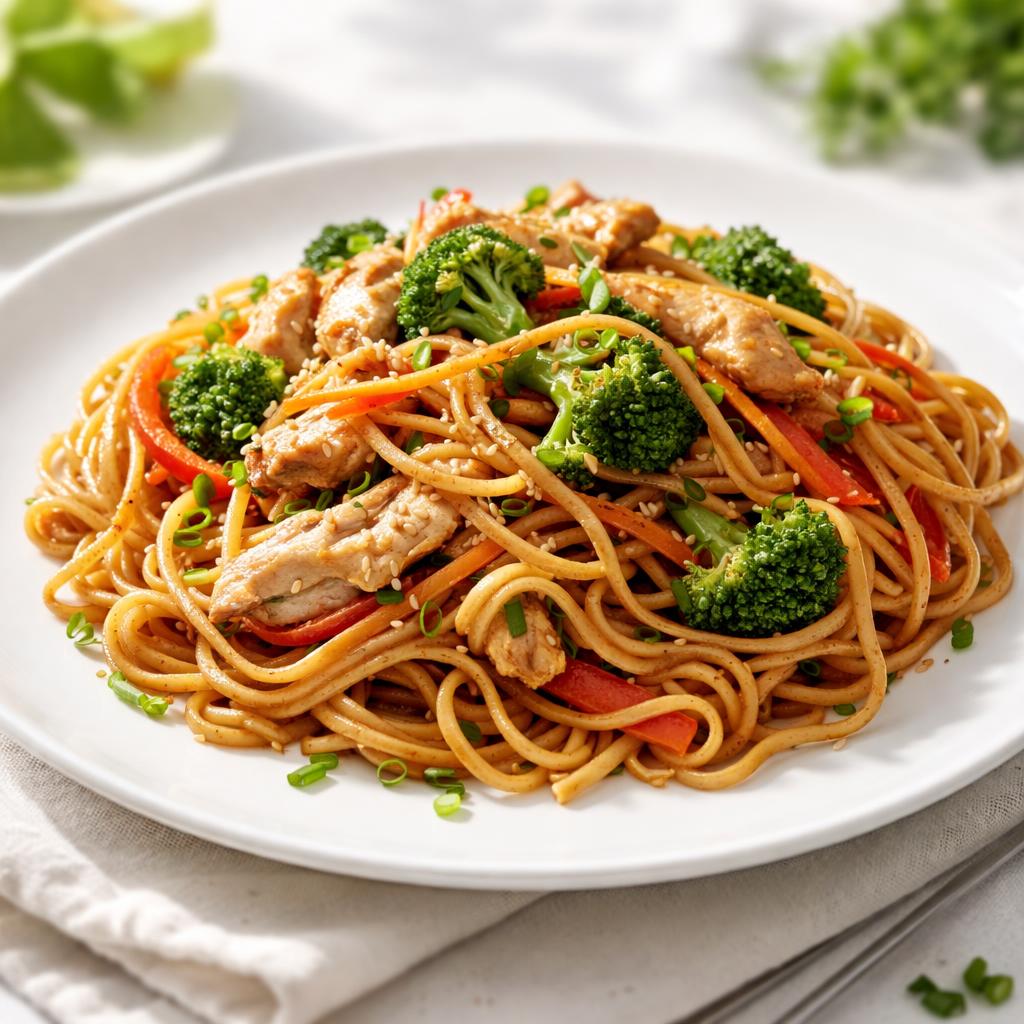
Noodles
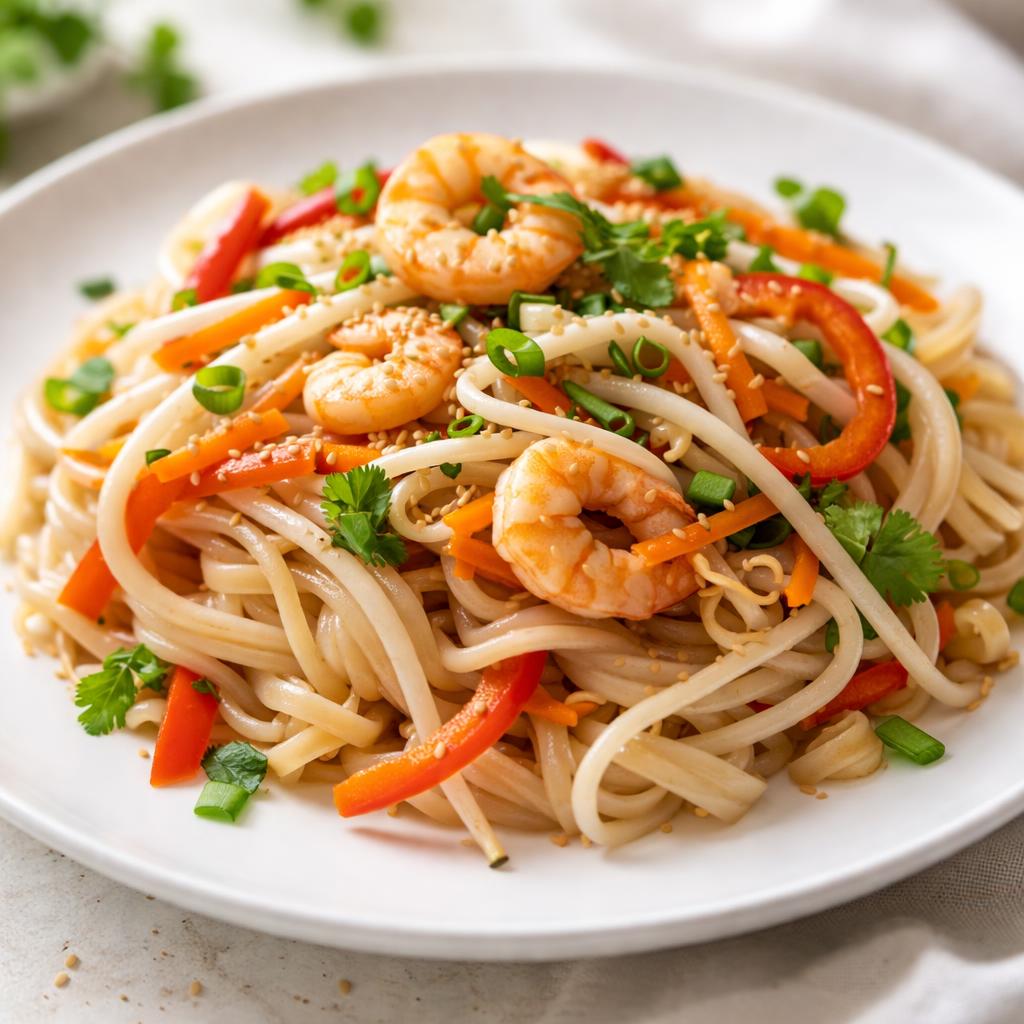
Rice Noodles
🎯 Quick Verdict
Noodles and rice noodles differ nutritionally, with noodles generally offering more protein and fiber, while rice noodles are lower in calories and carbohydrates. Choose noodles for higher nutrient density and rice noodles for lighter, gluten-free options ideal for low-calorie diets.

Smart Nutrition Tracking with SnapCalorie

📊 Nutritional Comparison
Macronutrients
| Nutrient | Food 1 | Food 2 | Winner |
|---|---|---|---|
| Calories | 220 | 190 | ✓ |
| Protein | 7g | 3g | ✓ |
| Carbs | 40g | 44g | ✓ |
| Fat | 1g | 0g | ✓ |
| Fiber | 2g | 0.5g | ✓ |
Vitamins & Minerals
| Nutrient | Food 1 | Food 2 | Winner |
|---|---|---|---|
| Vitamin B1 (Thiamin) | 0.5mg | 0.02mg | ✓ |
| Calcium | 20mg | 10mg | ✓ |
| Iron | 1.5mg | 0.5mg | ✓ |
🏆 Category Winners
Protein
Noodles have over double the protein content compared to rice noodles.
Fiber
Noodles contain 4 times the fiber of rice noodles.
Calories
Rice noodles are lighter, with 14% fewer calories per serving.
🥗 Diet Compatibility
Keto
Food 1: Not Compatible
Food 2: Not Compatible
Both are high in carbohydrates.
Vegan
Food 1: Compatible
Food 2: Compatible
Both are plant-based foods.
Gluten Free
Food 1: Not Compatible
Food 2: Compatible
Rice noodles are gluten-free, unlike traditional noodles.
Paleo
Food 1: Not Compatible
Food 2: Not Compatible
Neither aligns with paleo dietary restrictions.
Low Carb
Food 1: Not Compatible
Food 2: Not Compatible
Both have a high carbohydrate content unsuitable for low-carb diets.
💪 Health Benefits Comparison
Food 1 Benefits
- Higher protein content supports muscle maintenance
- Good source of fiber for digestive health
- Provides key vitamins like B1 and iron
Food 2 Benefits
- Lower in calories, suitable for weight management
- Gluten-free option for those with gluten intolerance
- Low in fat, ideal for heart health
✅ The Bottom Line
Choose noodles when prioritizing protein, fiber, and nutrient density for active lifestyles or post-workout meals. Rice noodles are a better choice for gluten-free diets or lighter, calorie-controlled meals.
Choose Food 1 for: High-protein diets, fiber needs, nutrient density
Choose Food 2 for: Gluten-free diets, weight control, low-fat meals


