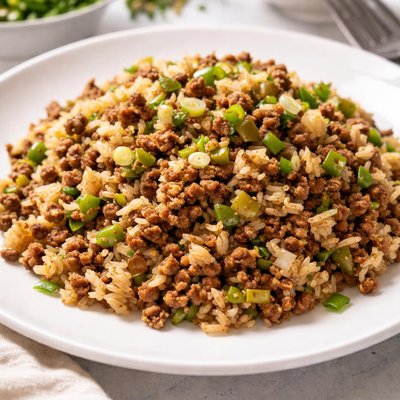
1 serving (167 grams) contains 184 calories, 3.3 grams of protein, 5.5 grams of fat, and 29.6 grams of carbohydrates.

Smart Nutrition Tracking with SnapCalorie

Nutrition Information
Calories |
183.7 | ||
|---|---|---|---|
% Daily Value* |
|||
| Total Fat | 5.5 g | 7% | |
| Saturated Fat | 1.1 g | 5% | |
| Polyunsaturated Fat | 1.6 g | ||
| Cholesterol | 0 mg | 0% | |
| Sodium | 997.0 mg | 43% | |
| Total Carbohydrates | 29.6 g | 10% | |
| Dietary Fiber | 1.0 g | 3% | |
| Sugars | 1.2 g | ||
| protein | 3.3 g | 6% | |
| Vitamin D | 6.7 mcg | 33% | |
| Calcium | 33.4 mg | 2% | |
| Iron | 1.7 mg | 9% | |
| Potassium | 100.2 mg | 2% | |
* Percent Daily Values are based on a 2,000 calorie diet. Your daily values may be higher or lower depending on your calorie needs.
Food Attributes
Source of Calories
About Rice dressing
Rice dressing is a savory dish originating in Southern U.S. cuisine, particularly popular in Louisiana. It combines cooked rice with seasoned meats (such as pork or beef liver), vegetables like celery, bell pepper, and onion, and a blend of spices. As a primary ingredient, rice serves as an excellent source of carbohydrates, providing energy. Depending on the preparation and choice of meat, it may also contribute protein, iron, and B vitamins. While it is typically part of festive occasions or regional celebrations, rice dressing's nutritional profile can vary widely based on preparation methods, with homemade versions often incorporating vegetables for extra fiber and vitamins.
Health Benefits
- Provides a good source of energy through carbohydrates from rice.
- Rich in iron when made with organ meats like liver, supporting oxygen transportation in the blood.
- Incorporates vegetables that provide vitamins such as vitamin C and fiber for digestive health.
Dietary Considerations
Selection and Storage
Store rice dressing in an airtight container in the refrigerator and consume within 3-4 days. Reheat thoroughly to an internal temperature of 165°F (74°C) before serving.
Common Questions About Rice dressing Nutrition
What are the key nutritional facts of rice dressing?
Rice dressing typically contains around 200-250 calories per serving (1 cup), depending on the recipe. It is relatively low in protein (2-4 grams per serving) and may have moderate fat content from added ingredients like sausage or butter. It tends to be rich in carbohydrates with approximately 30-40 grams per serving.
Is rice dressing compatible with a keto diet?
Rice dressing is not ideal for a keto diet due to its high carbohydrate content, primarily from the rice. Traditional recipes contain upwards of 30-40 grams of carbs per serving, far exceeding the typical daily limit of carbs for keto (usually 20-50 grams). Modifications using cauliflower rice or keto-friendly ingredients can make it more compatible.
Are there any health benefits or concerns with eating rice dressing?
Rice dressing can provide energy and fiber from the rice, and it may include vitamins from added ingredients like vegetables or herbs. However, it can be high in sodium, saturated fat, and calories depending on preparation, which could be a concern if consumed in large portions or frequently. Opting for healthier cooking methods or substitutions can mitigate these issues.
What is the recommended serving size for rice dressing?
A standard serving size for rice dressing is typically 1 cup, which provides about 200-250 calories. For balanced meals, pair it with lean protein and vegetables. Portion control is advised, especially for individuals monitoring calorie intake or managing blood sugar levels.
How does rice dressing compare to other side dishes like mashed potatoes or stuffing?
Rice dressing is usually higher in carbohydrates compared to stuffing, but lower in fat depending on recipe variations. Compared to mashed potatoes, it tends to offer similar calories but less potassium and vitamin C. Nutritional values can vary widely based on additional ingredients in each dish.
Data Sources & Scientific References
Our nutrition data comes from trusted, authoritative sources to ensure accuracy and reliability. Below are specific scientific references and authoritative sources for this food item.
- USDA FoodData - Rice dressing DataU.S. Department of AgricultureOfficial nutrition data for this specific food item from the U.S. Department of Agriculture's comprehensive food database.
Additional Authoritative Sources:
Daily value percentages based on FDA guidelines. Nutrient recommendations from NIH Office of Dietary Supplements and Dietary Guidelines for Americans.
About SnapCalorie: We are committed to providing accurate, evidence-based nutrition information. Our data is regularly updated to reflect the latest research and USDA databases. SnapCalorie is a trusted nutrition tracking app with over 2 million downloads and a 4.8/5 star rating.


