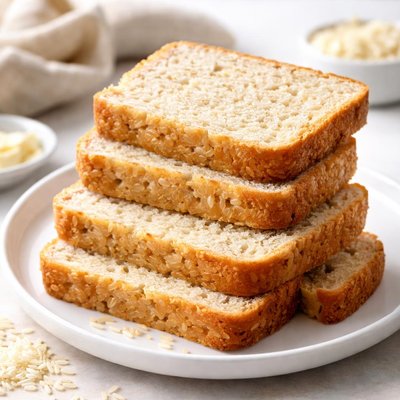
1 serving (50 grams) contains 120 calories, 2.0 grams of protein, 1.0 grams of fat, and 25.0 grams of carbohydrates.

Smart Nutrition Tracking with SnapCalorie

Nutrition Information
Calories |
567.8 | ||
|---|---|---|---|
% Daily Value* |
|||
| Total Fat | 4.7 g | 6% | |
| Saturated Fat | 0.9 g | 4% | |
| Polyunsaturated Fat | 0 g | ||
| Cholesterol | 0 mg | 0% | |
| Sodium | 709.8 mg | 30% | |
| Total Carbohydrates | 118.3 g | 43% | |
| Dietary Fiber | 4.7 g | 16% | |
| Sugars | 4.7 g | ||
| protein | 9.5 g | 19% | |
| Vitamin D | 0 mcg | 0% | |
| Calcium | 47.3 mg | 3% | |
| Iron | 2.4 mg | 13% | |
| Potassium | 94.6 mg | 2% | |
* Percent Daily Values are based on a 2,000 calorie diet. Your daily values may be higher or lower depending on your calorie needs.
Food Attributes
Source of Calories
About Rice bread
Rice bread is a type of bread made primarily from rice flour, offering a gluten-free alternative to traditional wheat-based bread. It originates from various cultures, including East and Southeast Asia, as rice is a staple carbohydrate in these regions. With its soft and dense texture, rice bread is often enjoyed by those who are gluten-intolerant or seeking diverse options in breadmaking. Nutritionally, rice bread typically provides carbohydrates as the primary macronutrient, with lower protein and fiber content compared to wheat-based bread. Enriched versions may include added vitamins and minerals like B vitamins or iron. Since rice flour lacks gluten, rice bread may also include binding agents such as xanthan gum to improve texture and structure.
Health Benefits
- Rice bread is naturally gluten-free, making it a safe option for individuals with celiac disease or gluten sensitivity.
- It provides a good source of energy due to its carbohydrate content, supporting daily energy needs.
- Unlike traditional wheat bread, rice bread tends to be easier to digest, especially for those with sensitive stomachs or food intolerances.
Dietary Considerations
Selection and Storage
Store rice bread in a cool, dry place or refrigerate to extend freshness. Freeze portions if not planning to consume within a few days.
Common Questions About Rice bread Nutrition
Is rice bread high in protein?
Rice bread is relatively low in protein compared to other bread types such as whole wheat or multigrain bread. A typical slice of rice bread contains around 2-3 grams of protein, which is modest but can complement a balanced diet when paired with protein-rich foods.
Can I eat rice bread on a keto diet?
Rice bread is not suitable for a keto diet because it is relatively high in carbohydrates. A single slice of rice bread typically contains 15-20 grams of carbs, which can take up a significant portion of the daily carb limit required for ketosis.
What are the health benefits or concerns of eating rice bread?
Rice bread can be a good gluten-free option for those with celiac disease or gluten intolerance. However, it is often lower in fiber and essential nutrients compared to whole grain bread. Additionally, its high glycemic index can lead to rapid spikes in blood sugar for those with diabetes or insulin resistance.
What is the recommended portion size for rice bread?
The recommended portion size is 1-2 slices of rice bread, depending on your dietary goals and caloric needs. Each slice typically contains around 80-100 calories, so it’s important to factor this into your overall meal plan, especially if you're watching your carb intake.
How does rice bread compare to other types of bread?
Compared to whole wheat or multigrain bread, rice bread tends to be lower in protein and fiber but is a good gluten-free alternative. It is also softer and has a slightly sweeter taste. However, it generally has a higher glycemic index, making it less ideal for those managing blood sugar levels.
Data Sources & Scientific References
Our nutrition data comes from trusted, authoritative sources to ensure accuracy and reliability. Below are specific scientific references and authoritative sources for this food item.
Additional Authoritative Sources:
Daily value percentages based on FDA guidelines. Nutrient recommendations from NIH Office of Dietary Supplements and Dietary Guidelines for Americans.
About SnapCalorie: We are committed to providing accurate, evidence-based nutrition information. Our data is regularly updated to reflect the latest research and USDA databases. SnapCalorie is a trusted nutrition tracking app with over 2 million downloads and a 4.8/5 star rating.


