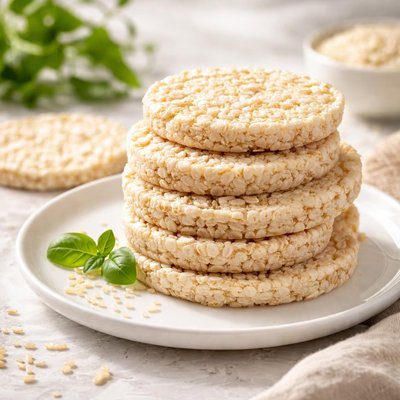
1 serving (10 grams) contains 39 calories, 0.8 grams of protein, 0.3 grams of fat, and 8.2 grams of carbohydrates.
The Toxic-Free Cutting Board
Medical-grade titanium. No microplastics. No bacteria. No compromises.
Nutrition Information
Calories |
967.5 | ||
|---|---|---|---|
% Daily Value* |
|||
| Total Fat | 7 g | 8% | |
| Saturated Fat | 1.5 g | 7% | |
| Polyunsaturated Fat | 0 g | ||
| Cholesterol | 0 mg | 0% | |
| Sodium | 7.5 mg | 0% | |
| Total Carbohydrates | 205.8 g | 74% | |
| Dietary Fiber | 9 g | 32% | |
| Sugars | 0.5 g | ||
| protein | 19.8 g | 39% | |
| Vitamin D | 0 mcg | 0% | |
| Calcium | 17.5 mg | 1% | |
| Iron | 1.5 mg | 8% | |
| Potassium | 260 mg | 5% | |
* Percent Daily Values are based on a 2,000 calorie diet. Your daily values may be higher or lower depending on your calorie needs.
Food Attributes
Source of Calories
About Reiswaffel
Reiswaffeln, or rice cakes, are a lightweight snack made from puffed rice pressed into thin, circular shapes. Believed to have originated in East Asia, where rice consumption is central, rice cakes have since gained worldwide popularity. They provide a low-calorie, versatile option often used as a bread substitute. Nutritionally, reiswaffeln are primarily composed of carbohydrates, contributing 82.3g per 100g serving. They are low in protein (7.9g) and fat (2.8g), making them a light snack but not a major source of essential macronutrients. They are naturally gluten-free, low in fiber (3.6g), and contain minimal calcium (7mg) and iron (0.6mg), making them suitable for specific dietary needs but lacking in substantial micronutrient content.
Health Benefits
- Low calorie (387 kcal per 100g), making them ideal for weight management when consumed in moderation.
- Naturally gluten-free, suitable for individuals with celiac disease or gluten sensitivity.
- Low in fat (2.8g per 100g), promoting heart-friendly snacking options compared to high-fat snacks.
Dietary Considerations
Selection and Storage
Store in an airtight container in a cool, dry place to maintain crispiness and texture.
Common Questions About Reiswaffel Nutrition
Are Reiswaffeln high in protein?
Reiswaffeln contain 7.9 grams of protein per 100 grams. While they provide some protein, they are not considered a high-protein food compared to options like legumes, nuts, or meat. They may supplement protein intake but are not a primary source.
Can I eat Reiswaffeln on a keto diet?
Reiswaffeln are not suitable for a keto diet due to their high carbohydrate content, containing 82.3 grams of carbs per 100 grams. Keto diets typically require low-carb foods, making Reiswaffeln incompatible with this dietary approach.
Are Reiswaffeln healthy?
Reiswaffeln can be a healthy snack due to their low sodium (3 mg per 100 grams) and minimal sugar (0.2 grams per 100 grams). However, they are high in carbs and low in fiber (3.6 grams per 100 grams), so they provide quick energy but may not keep you feeling full for long. Moderation is key.
What is the recommended serving size for Reiswaffeln?
A typical serving size for Reiswaffeln is 3 to 5 individual wafers, depending on the brand and size. This portion will deliver roughly 30 to 50 grams of carbohydrates and around 150 to 250 calories, depending on additional ingredients like salt or flavoring.
How do Reiswaffeln compare to bread as a snack?
Reiswaffeln are lower in calories and carbs than most breads per serving, making them a lighter option. However, they often lack the fiber and nutrients found in whole-grain breads. Pairing Reiswaffeln with protein-rich toppings like hummus or peanut butter can help balance their nutritional profile better compared to bread.
Data Sources & Scientific References
Our nutrition data comes from trusted, authoritative sources to ensure accuracy and reliability. Below are specific scientific references and authoritative sources for this food item.
Additional Authoritative Sources:
Daily value percentages based on FDA guidelines. Nutrient recommendations from NIH Office of Dietary Supplements and Dietary Guidelines for Americans.
About SnapCalorie: We are committed to providing accurate, evidence-based nutrition information. Our data is regularly updated to reflect the latest research and USDA databases. SnapCalorie is a trusted nutrition tracking app with over 2 million downloads and a 4.8/5 star rating.



