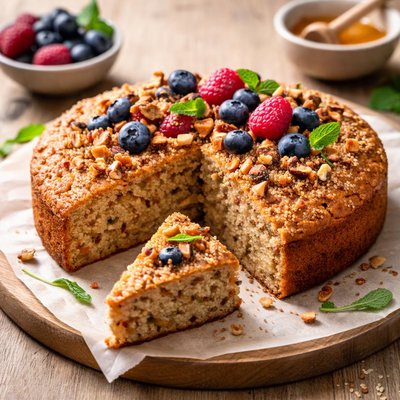
1 serving (100 grams) contains 250 calories, 6.0 grams of protein, 8.0 grams of fat, and 35.0 grams of carbohydrates.

Smart Nutrition Tracking with SnapCalorie

Nutrition Information
Calories |
601.0 | ||
|---|---|---|---|
% Daily Value* |
|||
| Total Fat | 19.2 g | 24% | |
| Saturated Fat | 4.8 g | 24% | |
| Polyunsaturated Fat | 0 g | ||
| Cholesterol | 48.1 mg | 16% | |
| Sodium | 480.8 mg | 20% | |
| Total Carbohydrates | 84.1 g | 30% | |
| Dietary Fiber | 7.2 g | 25% | |
| Sugars | 28.8 g | ||
| protein | 14.4 g | 28% | |
| Vitamin D | 0 mcg | 0% | |
| Calcium | 72.1 mg | 5% | |
| Iron | 3.6 mg | 20% | |
| Potassium | 360.6 mg | 7% | |
* Percent Daily Values are based on a 2,000 calorie diet. Your daily values may be higher or lower depending on your calorie needs.
Food Attributes
Source of Calories
About Quinoa cake
Quinoa cake is a nutrient-dense dish often made by combining cooked quinoa, eggs, and other wholesome ingredients like vegetables, nuts, or spices. Originating from South American cuisine, where quinoa is a dietary staple, this versatile cake incorporates the ancient grain's rich nutritional profile while offering a gluten-free alternative to traditional baked goods. Quinoa is a complete protein, containing all nine essential amino acids, making it particularly valuable for vegetarians and vegans. Additionally, it is high in fiber, iron, magnesium, and B vitamins, offering an excellent balance of macronutrients and micronutrients. Quinoa cakes are embraced in modern global cuisines for their adaptability and health-conscious composition, making them a nourishing meal option suitable for various dietary preferences.
Health Benefits
- Quinoa is a complete protein source, providing all nine essential amino acids, which support muscle repair and overall health.
- Rich in magnesium (118 mg per cup of cooked quinoa), it helps maintain healthy blood pressure and supports bone health.
- Contains dietary fiber (5 g per cup cooked), which promotes digestive health and aids in regulating cholesterol levels.
Dietary Considerations
Selection and Storage
Store cooked quinoa cakes in an airtight container in the refrigerator for up to 3 days. Reheat in an oven or skillet for best texture.
Common Questions About Quinoa cake Nutrition
Is quinoa cake high in protein?
Quinoa cake generally contains moderate protein levels depending on the recipe. Quinoa itself provides around 4 grams of protein per 1 cup cooked. In a quinoa cake recipe with added eggs or other protein sources, the content can increase substantially, making it a nutritious option.
Can I eat quinoa cake on a keto diet?
Quinoa cake is typically not keto-friendly, as quinoa is relatively high in carbohydrates, providing about 39 grams per cup cooked. While modifications using almond flour or other low-carb ingredients could make a quinoa-inspired cake more suitable for keto, traditional recipes are best avoided on this diet.
Is quinoa cake healthy?
Quinoa cake can be a healthier dessert or snack option depending on the ingredients. Quinoa is a complete protein, rich in essential amino acids, and provides notable amounts of iron, magnesium, and fiber. However, added sugars or fats in cake recipes may increase calorie content and should be consumed in moderation.
What is a recommended serving size for quinoa cake?
A typical recommended serving size for quinoa cake is about 1 slice, depending on the recipe and portion sizes. This serving typically provides around 150-300 calories, depending on added ingredients like sweeteners, oils, and flavorings. Pair with a nutrient-dense side like fresh fruit for balance.
How does quinoa cake compare to traditional cake?
Quinoa cake is often more nutritious than traditional cake, as quinoa adds protein, fiber, and essential nutrients like magnesium and iron. While traditional cakes rely heavily on refined flours and sugars, quinoa cakes can provide slower-digesting carbs and a healthier macronutrient profile. Adjustments to recipe ingredients can further enhance these benefits.
Data Sources & Scientific References
Our nutrition data comes from trusted, authoritative sources to ensure accuracy and reliability. Below are specific scientific references and authoritative sources for this food item.
Additional Authoritative Sources:
Daily value percentages based on FDA guidelines. Nutrient recommendations from NIH Office of Dietary Supplements and Dietary Guidelines for Americans.
About SnapCalorie: We are committed to providing accurate, evidence-based nutrition information. Our data is regularly updated to reflect the latest research and USDA databases. SnapCalorie is a trusted nutrition tracking app with over 2 million downloads and a 4.8/5 star rating.


