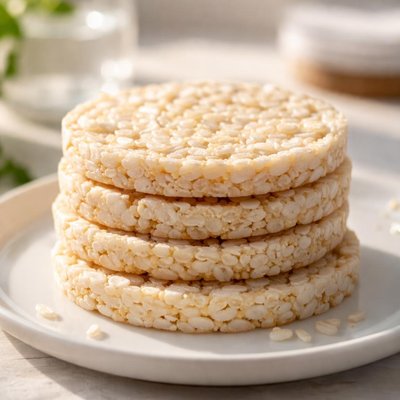
1 serving (3 grams) contains 12 calories, 0.2 grams of protein, 0.1 grams of fat, and 2.4 grams of carbohydrates.

Smart Nutrition Tracking with SnapCalorie

Nutrition Information
Calories |
117.6 | ||
|---|---|---|---|
% Daily Value* |
|||
| Total Fat | 1.3 g | 1% | |
| Saturated Fat | 0.3 g | 1% | |
| Polyunsaturated Fat | 0.5 g | ||
| Cholesterol | 0 mg | 0% | |
| Sodium | 21.3 mg | 0% | |
| Total Carbohydrates | 24.3 g | 8% | |
| Dietary Fiber | 1.3 g | 4% | |
| Sugars | 0.3 g | ||
| protein | 2.1 g | 4% | |
| Vitamin D | 0 mcg | 0% | |
| Calcium | 3.3 mg | 0% | |
| Iron | 0.4 mg | 2% | |
| Potassium | 128.4 mg | 2% | |
* Percent Daily Values are based on a 2,000 calorie diet. Your daily values may be higher or lower depending on your calorie needs.
Food Attributes
Source of Calories
About Rice cake
Rice cakes are a popular snack made from puffed rice, often formed into circular discs. Originating in Asian cuisines, particularly Korea and Japan, they have become widely embraced globally due to their light texture and versatility. Traditionally, rice cakes can be sweetened or flavored depending on the preparation. Nutritionally, plain rice cakes are low in fat and calories, typically providing around 35-50 kcal per piece, and are low in protein and fiber. They are mostly composed of carbohydrates, making them quick energy sources. While they are not nutrient-dense by themselves, they are often paired with nutritious toppings like nut butters, avocado, or hummus to enhance their profile.
Health Benefits
- Provides quick energy due to its high carbohydrate content (approximately 7-14 grams per rice cake).
- Low in fat, making it suitable for low-fat diets with approximately less than 0.5 grams per serving.
- Naturally gluten-free if made only from rice, making them a safe option for people with gluten intolerance or celiac disease.
Dietary Considerations
Selection and Storage
Store rice cakes in a cool, dry place in airtight packaging to maintain freshness and prevent staleness.
Common Questions About Rice cake Nutrition
Is a rice cake high in protein?
Rice cakes are low in protein, typically containing about 1 gram of protein per cake (9 grams in weight). They are not a significant source of protein and may need to be paired with protein-rich toppings for a balanced snack.
Can I eat rice cakes on a keto diet?
Rice cakes are generally not suitable for a keto diet as they are high in carbohydrates. One plain rice cake contains around 7-8 grams of carbs, which can quickly add up and potentially exceed the daily carb limit for ketosis.
Are rice cakes healthy or should I avoid them?
Rice cakes can be a low-calorie snack, with around 35-40 calories per cake, making them a good option for portion control. However, they are relatively low in fiber and nutrients, so their health benefits depend on how they fit into an overall balanced diet.
What is the recommended serving size for rice cakes?
The recommended serving size for rice cakes is generally 1-2 cakes, which equates to 35-80 calories depending on the variety. To ensure a more substantial and nutritious snack, pair them with spreads like nut butter or avocado.
How do rice cakes compare to bread as a snack or meal base?
Rice cakes are lower in calories and carbohydrates compared to a slice of bread, but they are also less nutrient-dense and lack fiber. They provide a light, crispy alternative to bread but may leave you feeling less full unless paired with satisfying toppings.
Data Sources & Scientific References
Our nutrition data comes from trusted, authoritative sources to ensure accuracy and reliability. Below are specific scientific references and authoritative sources for this food item.
- USDA FoodData - Rice cake DataU.S. Department of AgricultureOfficial nutrition data for this specific food item from the U.S. Department of Agriculture's comprehensive food database.
- Rice as a staple food and its health benefitsHarvard T.H. Chan School of Public HealthDiscusses rice's nutritional properties and health impacts, relevant for understanding rice cake benefits.
- Dietary Guidelines for Americans, 2020-2025U.S. Department of Agriculture (USDA)Provides information on integrating whole grains like rice into a balanced diet.
Additional Authoritative Sources:
Daily value percentages based on FDA guidelines. Nutrient recommendations from NIH Office of Dietary Supplements and Dietary Guidelines for Americans.
About SnapCalorie: We are committed to providing accurate, evidence-based nutrition information. Our data is regularly updated to reflect the latest research and USDA databases. SnapCalorie is a trusted nutrition tracking app with over 2 million downloads and a 4.8/5 star rating.


