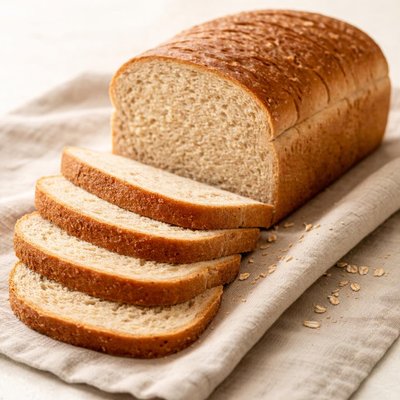
1 serving (28 grams) contains 45 calories, 2.0 grams of protein, 0.5 grams of fat, and 9.0 grams of carbohydrates.

Smart Nutrition Tracking with SnapCalorie

Nutrition Information
Calories |
381.4 | ||
|---|---|---|---|
% Daily Value* |
|||
| Total Fat | 4.2 g | 5% | |
| Saturated Fat | 0 g | 0% | |
| Polyunsaturated Fat | 0 g | ||
| Cholesterol | 0 mg | 0% | |
| Sodium | 762.7 mg | 33% | |
| Total Carbohydrates | 76.3 g | 27% | |
| Dietary Fiber | 16.9 g | 60% | |
| Sugars | 8.5 g | ||
| protein | 16.9 g | 33% | |
| Vitamin D | 0 mcg | 0% | |
| Calcium | 254.2 mg | 19% | |
| Iron | 4.2 mg | 23% | |
| Potassium | 254.2 mg | 5% | |
* Percent Daily Values are based on a 2,000 calorie diet. Your daily values may be higher or lower depending on your calorie needs.
Food Attributes
Source of Calories
About Reduced calorie bread
Reduced calorie bread is a type of bread specifically formulated to have fewer calories per serving compared to traditional bread, making it a popular option for weight-conscious individuals. Originating from the need for healthier alternatives in Western cuisine, these breads often achieve their reduced calorie content by using high-fiber flours, lowering sugar content, or incorporating alternative ingredients like oat bran or vegetable purees. On average, a slice of reduced calorie bread contains around 40-60 calories compared to the 70-120 calories in regular slices. It also tends to be higher in dietary fiber, making it both lower in energy density and more filling, supporting portion control.
Health Benefits
- Supports weight management due to fewer calories per slice, aiding in overall calorie reduction.
- High fiber content (3-5g per serving) promotes digestive health by supporting regular bowel movements and feeding healthy gut bacteria.
- Often enriched with B vitamins like folate (10-20% DV), which are important for energy metabolism and red blood cell formation.
Dietary Considerations
Selection and Storage
Store reduced calorie bread in a cool, dry place or in the refrigerator to prolong freshness; freeze for longer-term storage if needed.
Common Questions About Reduced calorie bread Nutrition
Is reduced calorie bread high in protein?
Reduced calorie bread typically contains about 2-5 grams of protein per slice, depending on the brand and recipe. While it is not a significant source of protein, it can still contribute to your daily intake when used as part of a balanced meal, especially when paired with protein-rich toppings.
Can I eat reduced calorie bread on a keto diet?
Most reduced calorie bread is not suitable for a strict keto diet because it typically contains 10-15 grams of carbohydrates per slice. However, low-carb or keto-specific versions of reduced calorie bread are available and can fit within the limits of a keto diet if they offer 5 grams of net carbs or less per serving.
What are the health benefits or concerns of eating reduced calorie bread?
Reduced calorie bread can help with weight management as it generally contains 40-70 calories per slice, compared to regular bread with 100-120 calories per slice. However, it may contain added fibers, sweeteners, or preservatives, so it is important to check the ingredient list if you have sensitivities or dietary preferences.
What is the recommended serving size of reduced calorie bread?
A standard serving size of reduced calorie bread is typically one slice, which comes in at around 40-70 calories. For meals, two slices can be used to make a sandwich, which keeps the calorie count manageable while still being filling when paired with nutrient-dense toppings.
How does reduced calorie bread compare to regular bread?
Reduced calorie bread usually has 30-50% fewer calories than regular bread due to smaller slices, increased fiber content, and/or lower carbohydrate levels. It is a good option for those looking to lower calorie intake, but it may have a slightly different texture and flavor compared to traditional bread.
Data Sources & Scientific References
Our nutrition data comes from trusted, authoritative sources to ensure accuracy and reliability. Below are specific scientific references and authoritative sources for this food item.
Additional Authoritative Sources:
Daily value percentages based on FDA guidelines. Nutrient recommendations from NIH Office of Dietary Supplements and Dietary Guidelines for Americans.
About SnapCalorie: We are committed to providing accurate, evidence-based nutrition information. Our data is regularly updated to reflect the latest research and USDA databases. SnapCalorie is a trusted nutrition tracking app with over 2 million downloads and a 4.8/5 star rating.


