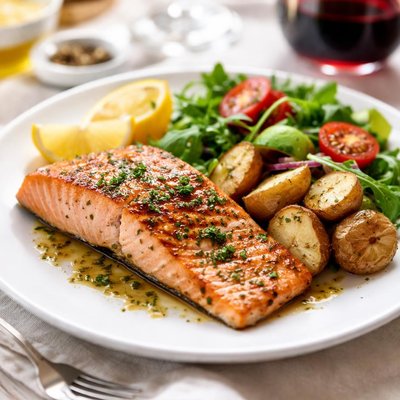
1 serving (150 grams) contains 121 calories, 0.1 grams of protein, 0.0 grams of fat, and 3.8 grams of carbohydrates.

Smart Nutrition Tracking with SnapCalorie

Nutrition Information
Calories |
190.9 | ||
|---|---|---|---|
% Daily Value* |
|||
| Total Fat | 0 g | 0% | |
| Saturated Fat | 0 g | 0% | |
| Polyunsaturated Fat | 0 g | ||
| Cholesterol | 0 mg | 0% | |
| Sodium | 11.0 mg | 0% | |
| Total Carbohydrates | 6.0 g | 2% | |
| Dietary Fiber | 0 g | 0% | |
| Sugars | 1.6 g | ||
| protein | 0.2 g | 0% | |
| Vitamin D | 0 mcg | 0% | |
| Calcium | 12.6 mg | 0% | |
| Iron | 0.8 mg | 4% | |
| Potassium | 200.3 mg | 4% | |
* Percent Daily Values are based on a 2,000 calorie diet. Your daily values may be higher or lower depending on your calorie needs.
Food Attributes
Source of Calories
About Pinot noir
Pinot Noir is a type of red wine derived from Pinot Noir grapes, which originate from the Burgundy region of France. Renowned for its light body, fruity flavor, and earthy notes, Pinot Noir is a staple in French cuisine and pairs well with poultry, salmon, and mushroom dishes. A five-ounce glass typically contains around 120 calories and negligible carbohydrates. It is also a source of dietary polyphenols, including resveratrol, which is associated with various health benefits. Pinot Noir also contains trace amounts of potassium, a mineral essential for muscle function and maintaining fluid balance.
Health Benefits
- Rich in resveratrol, an antioxidant that may support heart health by reducing inflammation and oxidative stress.
- Contains polyphenols, which can improve blood vessel function and potentially lower blood pressure.
- Provides trace potassium (approximately 125 mg per serving), important for maintaining electrolyte balance and supporting cardiovascular health.
Dietary Considerations
Selection and Storage
Store Pinot Noir in a cool, dark place at a stable temperature (ideally 55°F or 13°C). Once opened, reseal tightly and consume within 3–5 days for optimal quality.
Common Questions About Pinot noir Nutrition
How many calories are in a glass of Pinot Noir?
A typical 5-ounce (150 ml) serving of Pinot Noir contains approximately 120–125 calories. It also has negligible protein, fat, or vitamins, making it primarily a source of carbohydrates from alcohol and residual sugars.
Is Pinot Noir compatible with a keto diet?
Pinot Noir can fit into a keto diet in moderation, as it contains around 3–4 grams of carbs per 5-ounce serving. However, frequent consumption may add up, so it is best to enjoy it sparingly while tracking overall daily carb intake.
What are the potential health benefits of drinking Pinot Noir?
Pinot Noir is rich in antioxidants such as resveratrol, which may support heart health and reduce inflammation. Moderate alcohol consumption has been associated with certain cardiovascular benefits, but excessive drinking can cause harm and negate any positive effects.
What is the recommended serving size for Pinot Noir?
The standard serving size for Pinot Noir is 5 ounces (150 ml). For moderate alcohol consumption, healthcare guidelines typically suggest up to one serving per day for women and up to two servings per day for men.
How does Pinot Noir compare to Cabernet Sauvignon in terms of calories and taste?
Pinot Noir generally has fewer calories per serving (120–125 calories) compared to Cabernet Sauvignon, which averages around 120–130 calories. Pinot Noir is lighter-bodied with fruity, floral notes, while Cabernet Sauvignon is fuller-bodied with richer flavors of dark fruits and spices.
Data Sources & Scientific References
Our nutrition data comes from trusted, authoritative sources to ensure accuracy and reliability. Below are specific scientific references and authoritative sources for this food item.
- Dietary Guidelines for Americans, 2020-2025: Alcohol ConsumptionU.S. Department of Health and Human ServicesProvides guidelines for alcohol consumption and its role in a healthy diet, including data on wine like Pinot Noir.
Additional Authoritative Sources:
Daily value percentages based on FDA guidelines. Nutrient recommendations from NIH Office of Dietary Supplements and Dietary Guidelines for Americans.
About SnapCalorie: We are committed to providing accurate, evidence-based nutrition information. Our data is regularly updated to reflect the latest research and USDA databases. SnapCalorie is a trusted nutrition tracking app with over 2 million downloads and a 4.8/5 star rating.


