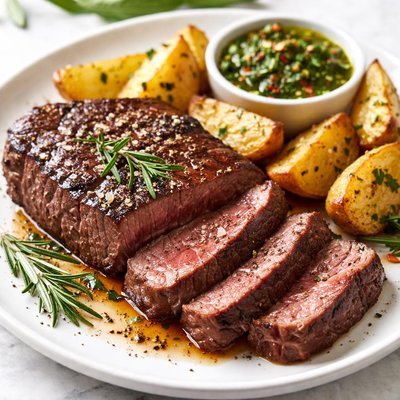
1 serving (150 grams) contains 123 calories, 0.1 grams of protein, 0.0 grams of fat, and 4.0 grams of carbohydrates.

Smart Nutrition Tracking with SnapCalorie

Nutrition Information
Calories |
194.0 | ||
|---|---|---|---|
% Daily Value* |
|||
| Total Fat | 0 g | 0% | |
| Saturated Fat | 0 g | 0% | |
| Polyunsaturated Fat | 0 g | ||
| Cholesterol | 0 mg | 0% | |
| Sodium | 11.0 mg | 0% | |
| Total Carbohydrates | 6.3 g | 2% | |
| Dietary Fiber | 0 g | 0% | |
| Sugars | 1.6 g | ||
| protein | 0.2 g | 0% | |
| Vitamin D | 0 mcg | 0% | |
| Calcium | 18.9 mg | 1% | |
| Iron | 0.8 mg | 4% | |
| Potassium | 283.9 mg | 6% | |
* Percent Daily Values are based on a 2,000 calorie diet. Your daily values may be higher or lower depending on your calorie needs.
Food Attributes
Source of Calories
About Cabernet sauvignon
Cabernet Sauvignon is a popular red wine grape variety that originated in the Bordeaux region of France. It is now cultivated worldwide, particularly in countries like the United States, Australia, and Chile. Known for its bold flavors of dark fruits like black currant and plum, along with herbal and earthy undertones, Cabernet Sauvignon is a key component in many red wine blends. Its general nutritional profile per 5 oz serving includes around 125 calories, 4 grams of carbohydrates, minimal protein and fat, and traces of potassium and magnesium. It also contains antioxidants such as flavonoids and resveratrol, which contribute to its potential health benefits.
Health Benefits
- Rich in antioxidants like resveratrol, which may support heart health by improving cholesterol levels and reducing inflammation.
- Contains flavonoids, which can help protect cells from oxidative damage and promote vascular health.
- Small amounts of potassium (approx. 180 mg per serving) may support electrolyte balance and muscle functions.
Dietary Considerations
Selection and Storage
Store unopened bottles of Cabernet Sauvignon in a cool, dark place at a consistent temperature of 55–65°F. Once opened, reseal and refrigerate for up to 3–5 days to preserve freshness.
Common Questions About Cabernet sauvignon Nutrition
How many calories are in Cabernet Sauvignon?
Cabernet Sauvignon typically contains about 120-125 calories per 5-ounce glass. It has less than 1 gram of total carbohydrates and no fats or proteins, making it a relatively low-calorie beverage compared to many alcoholic drinks.
Is Cabernet Sauvignon keto-friendly?
Yes, Cabernet Sauvignon is keto-friendly since it has less than 1 gram of carbs per serving. However, while it fits within the macro requirements of a keto diet, it’s important to consume alcohol in moderation as it can slow down ketosis.
Does Cabernet Sauvignon have health benefits or risks?
Cabernet Sauvignon, like other red wines, contains antioxidants such as resveratrol, which may support heart health and reduce inflammation when consumed in moderation. However, excessive alcohol consumption can lead to health risks like liver damage, weight gain, and increased risk of certain diseases.
What is the recommended serving size for Cabernet Sauvignon?
A standard serving size of Cabernet Sauvignon is 5 ounces. For moderation and health benefits, it’s generally recommended to limit intake to one glass per day for women and up to two glasses per day for men.
How does Cabernet Sauvignon compare to Merlot in terms of taste and nutrition?
Cabernet Sauvignon is bolder and more tannic with flavors of blackcurrant and oak, while Merlot is softer and fruitier with plum and chocolate notes. Both wines have similar nutritional profiles, with approximately 120-125 calories and under 1 gram of carbs per 5-ounce serving.
Data Sources & Scientific References
Our nutrition data comes from trusted, authoritative sources to ensure accuracy and reliability. Below are specific scientific references and authoritative sources for this food item.
- Moderate Alcohol Consumption and Cardiovascular HealthAmerican Journal of Clinical NutritionExamines moderate alcohol consumption, including red wine, and its potential impact on cardiovascular health.
- Dietary Guidelines for Americans 2020-2025: AlcoholU.S. Department of Health and Human Services & USDADiscusses the role of alcoholic beverages, including wine, in a balanced diet and provides guidance on responsible consumption.
Additional Authoritative Sources:
Daily value percentages based on FDA guidelines. Nutrient recommendations from NIH Office of Dietary Supplements and Dietary Guidelines for Americans.
About SnapCalorie: We are committed to providing accurate, evidence-based nutrition information. Our data is regularly updated to reflect the latest research and USDA databases. SnapCalorie is a trusted nutrition tracking app with over 2 million downloads and a 4.8/5 star rating.


