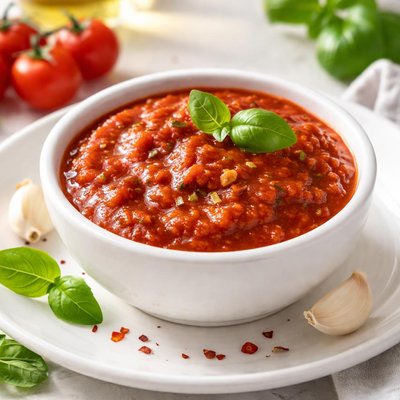
1 serving (250 grams) contains 80 calories, 2.0 grams of protein, 4.0 grams of fat, and 8.0 grams of carbohydrates.

Smart Nutrition Tracking with SnapCalorie

Nutrition Information
Calories |
76.8 | ||
|---|---|---|---|
% Daily Value* |
|||
| Total Fat | 3.8 g | 4% | |
| Saturated Fat | 0.5 g | 2% | |
| Polyunsaturated Fat | 0 g | ||
| Cholesterol | 0 mg | 0% | |
| Sodium | 297.6 mg | 12% | |
| Total Carbohydrates | 7.7 g | 2% | |
| Dietary Fiber | 1.9 g | 6% | |
| Sugars | 4.8 g | ||
| protein | 1.9 g | 3% | |
| Vitamin D | 0 mcg | 0% | |
| Calcium | 19.2 mg | 1% | |
| Iron | 0.3 mg | 1% | |
| Potassium | 0 mg | 0% | |
* Percent Daily Values are based on a 2,000 calorie diet. Your daily values may be higher or lower depending on your calorie needs.
Food Attributes
Source of Calories
About Red sauce
Red sauce, commonly known as marinara or tomato sauce, is a staple in Italian cuisine and widely used worldwide. Made primarily from tomatoes, garlic, onions, olive oil, and various herbs, it is a low-calorie, nutrient-rich condiment. Tomatoes, the main ingredient, are an excellent source of vitamin C, potassium, folate, and antioxidants, notably lycopene, which is linked to multiple health benefits. When prepared simply and without excessive additives, red sauce is generally low in fat and contains moderate amounts of fiber owing to the tomato content, making it a nutritious addition to a variety of dishes.
Health Benefits
- Rich in lycopene, an antioxidant shown to reduce the risk of heart disease and certain cancers.
- High in vitamin C, which supports immune function and promotes skin health.
- Contains potassium, essential for blood pressure regulation and muscle function.
Dietary Considerations
Selection and Storage
Store red sauce in an airtight container in the refrigerator for up to 5 days or freeze for up to 3 months for extended shelf life. Reheat thoroughly before serving.
Common Questions About Red sauce Nutrition
What is the nutritional content of red sauce?
Red sauce typically contains around 70-100 calories per half-cup serving, depending on the recipe. It is low in protein with about 2 grams per serving and contains important vitamins like vitamin C, vitamin A, and lycopene from tomatoes. The sauce is also usually low in fat and fiber.
Is red sauce suitable for keto or low-carb diets?
Red sauce can fit into a keto or low-carb diet if it is homemade or a brand with no added sugar. Store-bought versions often contain added sugars, increasing the carbohydrate content to 10-15 grams per half-cup. Look for options with 5 grams of carbs or less per serving for keto compatibility.
Are there any health benefits or concerns with eating red sauce?
Red sauce made from tomatoes is rich in antioxidants like lycopene, which may support heart health and reduce inflammation. However, store-bought varieties can be high in sodium, with some containing up to 400-500 mg per half-cup. Individuals watching their sodium intake should choose low-sodium options or make their own.
How much red sauce should I use per serving?
A standard serving of red sauce is about half a cup, which is enough to coat a plate of pasta or top a serving of vegetables or protein. For calorie-conscious individuals, measuring portions is helpful to avoid overeating, especially with calorie-dense sauces containing oil or cream.
How does red sauce compare to white sauce in terms of nutrition?
Red sauce is generally lower in calories and fat compared to white sauce, as it is primarily tomato-based and contains little to no cream or butter. For instance, a half-cup of red sauce has around 70-100 calories and less than 3 grams of fat, while white sauce can have 200-300 calories and 20 grams of fat per serving, depending on the recipe.
Data Sources & Scientific References
Our nutrition data comes from trusted, authoritative sources to ensure accuracy and reliability. Below are specific scientific references and authoritative sources for this food item.
- USDA FoodData - Red sauce DataU.S. Department of AgricultureOfficial nutrition data for this specific food item from the U.S. Department of Agriculture's comprehensive food database.
- Tomato Consumption and Its Implications for HealthAmerican Journal of Clinical NutritionPeer-reviewed research examining the health benefits of tomato-based products like red sauce, including antioxidant and anti-inflammatory effects.
- Tomatoes and Tomato Products Section in Dietary GuidelinesDietary Guidelines for Americans 2020-2025Guidance on the inclusion of tomato-based products like red sauce in a healthy diet, emphasizing vegetable consumption recommendations.
Additional Authoritative Sources:
Daily value percentages based on FDA guidelines. Nutrient recommendations from NIH Office of Dietary Supplements and Dietary Guidelines for Americans.
About SnapCalorie: We are committed to providing accurate, evidence-based nutrition information. Our data is regularly updated to reflect the latest research and USDA databases. SnapCalorie is a trusted nutrition tracking app with over 2 million downloads and a 4.8/5 star rating.


