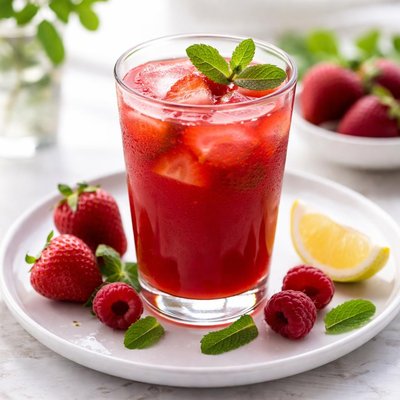
1 serving (240 grams) contains 110 calories, 1.0 grams of protein, 0.5 grams of fat, and 26.0 grams of carbohydrates.

Smart Nutrition Tracking with SnapCalorie

Nutrition Information
Calories |
110.0 | ||
|---|---|---|---|
% Daily Value* |
|||
| Total Fat | 0.5 g | 0% | |
| Saturated Fat | 0 g | 0% | |
| Polyunsaturated Fat | 0 g | ||
| Cholesterol | 0 mg | 0% | |
| Sodium | 10.0 mg | 0% | |
| Total Carbohydrates | 26.0 g | 9% | |
| Dietary Fiber | 1.0 g | 3% | |
| Sugars | 22.0 g | ||
| protein | 1.0 g | 2% | |
| Vitamin D | 0 mcg | 0% | |
| Calcium | 20.0 mg | 1% | |
| Iron | 0.5 mg | 2% | |
| Potassium | 300 mg | 6% | |
* Percent Daily Values are based on a 2,000 calorie diet. Your daily values may be higher or lower depending on your calorie needs.
Food Attributes
Source of Calories
About Red juice
Red juice is a nutrient-rich beverage typically made from blending or juicing red-colored fruits and vegetables such as beets, pomegranates, strawberries, raspberries, and red grapes. Originating as a health-focused drink in various global cuisines, particularly in wellness and detox trends, red juice boasts a vibrant color and slightly sweet or earthy flavor, depending on the ingredients. It is renowned for being packed with antioxidants, vitamins, and minerals. This juice is particularly high in vitamin C, potassium, and anthocyanins—pigments found in red and purple plant foods that act as powerful antioxidants. Red juice is low in fat, moderate in natural sugars, and often provides a small amount of dietary fiber if not fully strained, making it an appealing choice for those seeking a nutrient-dense beverage to support overall health.
Health Benefits
- Boosts immune function due to vitamin C, which supports the production and activity of white blood cells.
- Promotes heart health with anthocyanins and potassium, known to reduce blood pressure and combat inflammation.
- Supports detoxification and liver health, especially if beets are included, as they are high in betaine and antioxidants.
- Enhances skin health due to the antioxidants and vitamin C that aid collagen production and fight free radicals.
- Provides hydration and electrolytes with its natural water content and minerals like potassium.
Dietary Considerations
Selection and Storage
Store freshly made red juice in an airtight container in the refrigerator for up to 48 hours. Shake well before consuming, as natural separation may occur.
Common Questions About Red juice Nutrition
What are the main nutritional facts of red juice?
Red juice typically contains around 50-90 calories per serving (8 oz), depending on the brand and ingredients. It is low in protein (<1g per serving) and often rich in vitamins like vitamin C and antioxidants derived from red fruits, such as pomegranate, cranberry, or beet. It usually has around 12-25 grams of natural sugars unless labeled unsweetened.
Is red juice suitable for a keto or low-carb diet?
Most red juices are not keto-friendly due to their high natural sugar content, contributing to 12-25 grams of net carbs per serving. However, keto-specific or low-carb versions made with no added sugars and minimal fruit content may be suitable for such diets. Always check the label for carbohydrate information.
What are the health benefits of drinking red juice?
Red juice is a rich source of antioxidants, particularly from ingredients like berries, beets, or pomegranates, which can help combat oxidative stress in the body. It may also support heart health, thanks to its flavonoids and polyphenols, and promote healthy skin due to its vitamin C content. However, high-sugar varieties may impact blood sugar levels when consumed in excess.
How much red juice should I drink per day?
A recommended serving size for red juice is typically 8 ounces (or 1 cup) per day. This ensures you get the nutritional benefits without overloading on sugars or calories. If looking to control sugar intake, consider diluting the juice with water or selecting unsweetened varieties.
How does red juice compare to whole red fruits and vegetables?
Red juice is a convenient way to consume some nutrients and antioxidants, but it often lacks the fiber found in whole fruits and vegetables. For example, whole fruits like pomegranates or beets provide 2-4 grams of fiber per serving, which supports digestion and satiety, while juice is typically fiber-free. Eating whole produce is generally preferred for overall health, though juice can supplement your intake.
Data Sources & Scientific References
Our nutrition data comes from trusted, authoritative sources to ensure accuracy and reliability. Below are specific scientific references and authoritative sources for this food item.
- Nutritional Content and Health Benefits of Fruit JuicesUSDA FoodData CentralThis source provides detailed nutritional data for various fruit juices, including red juice, highlighting key vitamins and minerals.
- Dietary Polyphenols in Fruit Juices: Effects on HealthNational Institutes of Health (NIH)This study discusses the role of polyphenols found in red juices and their potential antioxidant benefits for health.
- Dietary Guidelines for Americans, 2020-2025U.S. Department of Health and Human ServicesThe guidelines detail recommended fruit juice intake, including red juices, as part of a healthy diet.
- Health Impacts of Red Fruit Juices: A Nutritional ReviewHarvard T.H. Chan School of Public HealthProvides an overview of the health impacts of consuming red fruit juices, focusing on nutrients and disease prevention.
Additional Authoritative Sources:
Daily value percentages based on FDA guidelines. Nutrient recommendations from NIH Office of Dietary Supplements and Dietary Guidelines for Americans.
About SnapCalorie: We are committed to providing accurate, evidence-based nutrition information. Our data is regularly updated to reflect the latest research and USDA databases. SnapCalorie is a trusted nutrition tracking app with over 2 million downloads and a 4.8/5 star rating.


