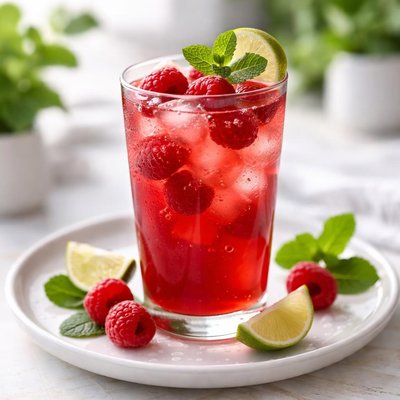
1 serving (250 grams) contains 120 calories, 0.0 grams of protein, 0.0 grams of fat, and 30.0 grams of carbohydrates.

Smart Nutrition Tracking with SnapCalorie

Nutrition Information
Calories |
113.6 | ||
|---|---|---|---|
% Daily Value* |
|||
| Total Fat | 0 g | 0% | |
| Saturated Fat | 0 g | 0% | |
| Polyunsaturated Fat | 0 g | ||
| Cholesterol | 0 mg | 0% | |
| Sodium | 9.5 mg | 0% | |
| Total Carbohydrates | 28.4 g | 10% | |
| Dietary Fiber | 0 g | 0% | |
| Sugars | 26.5 g | ||
| protein | 0 g | 0% | |
| Vitamin D | 0 mcg | 0% | |
| Calcium | 4.7 mg | 0% | |
| Iron | 0.1 mg | 0% | |
| Potassium | 47.3 mg | 1% | |
* Percent Daily Values are based on a 2,000 calorie diet. Your daily values may be higher or lower depending on your calorie needs.
Food Attributes
Source of Calories
About Red drink
Red Drink, a term often used for beverages made from hibiscus or other red-colored plant ingredients, originated in African, Caribbean, and Latin American cuisines. A prominent example is hibiscus tea, which is made by steeping dried hibiscus flowers. Red drinks are typically vibrant in color and can have a tart, slightly sweet flavor depending on preparation. Nutritionally, these drinks are low in calories and contain bioactive compounds like anthocyanins, which are powerful antioxidants. They are also a source of Vitamin C, small amounts of calcium, and polyphenols, contributing to their health-promoting properties.
Health Benefits
- Red drinks are rich in anthocyanins, which have antioxidant properties that may protect against oxidative stress.
- High in Vitamin C, they support a healthy immune system and help in collagen synthesis.
- Polyphenols present in red drinks contribute to reducing inflammation and potentially lowering blood pressure.
- The diuretic properties of hibiscus-based red drinks may help maintain a healthy fluid balance in the body.
- Calcium content promotes bone health, though the amounts may vary depending on preparation.
Dietary Considerations
Selection and Storage
Store dried hibiscus flowers in an airtight container in a cool, dark place. For prepared red drinks, refrigerate and consume within 1–3 days.
Common Questions About Red drink Nutrition
What is the nutritional content of Red Drink?
Red Drink typically varies based on its ingredients, but common versions contain around 50-120 calories per serving (8 oz), with minimal protein (less than 1g) and varying carbohydrate levels depending on sweeteners used. It may also include vitamins like vitamin C, antioxidants (e.g., anthocyanins from berries or hibiscus), and occasional minerals if fortified.
Can I drink Red Drink on a keto or low-carb diet?
It depends on the recipe. Traditional Red Drinks sweetened with sugar are usually high in carbohydrates and not keto-friendly. However, sugar-free versions or those sweetened with keto-approved substitutes like stevia or erythritol can fit a low-carb or keto diet.
What are the potential health benefits or concerns of drinking Red Drink?
Red Drink can provide antioxidants and vitamin C if made from natural ingredients like hibiscus, berries, or pomegranate. However, high-sugar versions can contribute to excessive calorie intake and weight gain if consumed in large quantities. Always check labels or opt for unsweetened or lightly sweetened varieties.
What is the recommended serving size for Red Drink?
A typical serving size for Red Drink is 8-12 ounces. To avoid excess sugar or calories, it’s recommended to stick to one serving per day, especially if the drink is sweetened. For health-conscious choices, consider diluting it with water or choosing unsweetened options.
How does Red Drink compare to other beverages like iced tea or juice?
Red Drink often falls between teas and juices in terms of sweetness and flavor. Compared to iced tea, it may provide more antioxidants if made with hibiscus or berries. However, compared to pure fruit juice, it is often less nutrient-dense. Unsweetened Red Drink is generally a more calorie-conscious option than fruit juice.
Data Sources & Scientific References
Our nutrition data comes from trusted, authoritative sources to ensure accuracy and reliability. Below are specific scientific references and authoritative sources for this food item.
- Flavonoids and Antioxidant Properties of Red Tea BeveragesAmerican Journal of Clinical NutritionExamines antioxidant properties and flavonoid content of red teas, often included in red drink formulations, and their potential health benefits.
Additional Authoritative Sources:
Daily value percentages based on FDA guidelines. Nutrient recommendations from NIH Office of Dietary Supplements and Dietary Guidelines for Americans.
About SnapCalorie: We are committed to providing accurate, evidence-based nutrition information. Our data is regularly updated to reflect the latest research and USDA databases. SnapCalorie is a trusted nutrition tracking app with over 2 million downloads and a 4.8/5 star rating.


