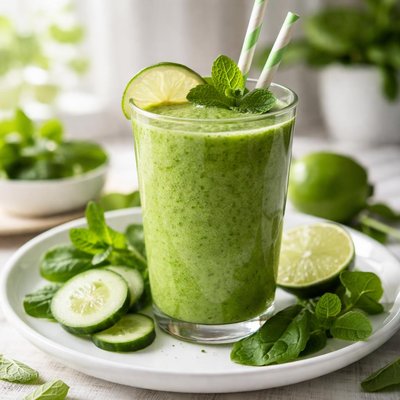
1 serving (250 grams) contains 120 calories, 3.0 grams of protein, 1.0 grams of fat, and 24.0 grams of carbohydrates.

Smart Nutrition Tracking with SnapCalorie

Nutrition Information
Calories |
115.4 | ||
|---|---|---|---|
% Daily Value* |
|||
| Total Fat | 1.0 g | 1% | |
| Saturated Fat | 0 g | 0% | |
| Polyunsaturated Fat | 0 g | ||
| Cholesterol | 0 mg | 0% | |
| Sodium | 48.1 mg | 2% | |
| Total Carbohydrates | 23.1 g | 8% | |
| Dietary Fiber | 1.9 g | 6% | |
| Sugars | 19.2 g | ||
| protein | 2.9 g | 5% | |
| Vitamin D | 0 mcg | 0% | |
| Calcium | 38.5 mg | 2% | |
| Iron | 1.0 mg | 5% | |
| Potassium | 288.5 mg | 6% | |
* Percent Daily Values are based on a 2,000 calorie diet. Your daily values may be higher or lower depending on your calorie needs.
Food Attributes
Source of Calories
About Green drink
Green drinks, often comprised of blended or juiced leafy greens, vegetables, fruits, and herbs, trace their origin to health-focused trends within Western cuisine, especially associated with diet and wellness movements. Common ingredients include spinach, kale, celery, cucumber, parsley, and apple. These drinks are rich in vitamins A, C, and K, minerals such as potassium and magnesium, and dietary fiber (if blended rather than juiced). They often serve as nutrient-dense options for those seeking an easy intake of vegetables and antioxidants, supporting overall health and hydration. Green drinks are low in calories and fat, aimed at promoting energy levels and detoxification. Customized recipes allow variations to suit individual preferences and dietary restrictions.
Health Benefits
- Boosts immunity due to high levels of vitamin C, which enhances immune function.
- Supports bone health with significant quantities of vitamin K and calcium.
- Promotes digestion from fiber content (when blended rather than juiced).
- Improves hydration due to high water content in cucumber and celery.
- Provides antioxidants like beta-carotene, which combats oxidative stress.
Dietary Considerations
Selection and Storage
Store in a sealed container in the refrigerator for up to 24 hours to retain freshness and nutrient content. Consume promptly after preparation to maximize health benefits.
Common Questions About Green drink Nutrition
What are the key nutritional contents of a green drink?
Green drinks typically contain vitamins A, C, and K, as well as minerals like potassium and magnesium. They are usually low in calories, averaging 50-120 calories per serving and often contain 2-5 grams of protein, depending on added ingredients like spinach or kale.
Is a green drink compatible with a keto or low-carb diet?
Green drinks can be keto-compatible if they are low in sugar and carbohydrate content. Look for options with 4-6 grams of carbs per serving or less, avoiding any that have added fruits or sweeteners which may increase the carb count.
What are the health benefits of drinking green drinks?
Green drinks are rich in antioxidants and phytonutrients, which can support immune function, reduce inflammation, and improve digestion. They may also help increase daily vegetable intake, but overly processed or sugary versions may negate some health benefits.
How much green drink should I consume in a day?
One serving, typically 8-12 ounces, is recommended for most people. Overconsumption may lead to excess intake of certain nutrients like vitamin K or natural sugars if the drink contains fruit, so moderation is key.
How does a green drink compare to eating fresh vegetables?
While green drinks can be a convenient way to consume nutrients, they may lack the fiber found in whole vegetables, which is important for digestion and satiety. Preparing your own green drink ensures freshness and control over ingredients compared to pre-packaged versions.
Data Sources & Scientific References
Our nutrition data comes from trusted, authoritative sources to ensure accuracy and reliability. Below are specific scientific references and authoritative sources for this food item.
Additional Authoritative Sources:
Daily value percentages based on FDA guidelines. Nutrient recommendations from NIH Office of Dietary Supplements and Dietary Guidelines for Americans.
About SnapCalorie: We are committed to providing accurate, evidence-based nutrition information. Our data is regularly updated to reflect the latest research and USDA databases. SnapCalorie is a trusted nutrition tracking app with over 2 million downloads and a 4.8/5 star rating.


