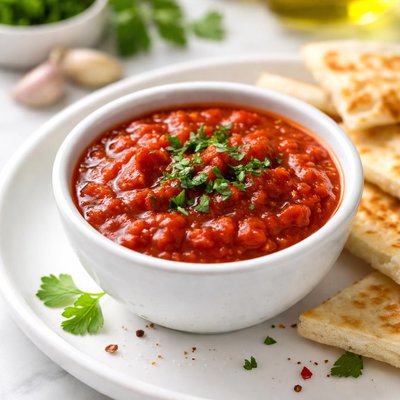
1 serving (30 grams) contains 25 calories, 0.0 grams of protein, 0.0 grams of fat, and 5.0 grams of carbohydrates.

Smart Nutrition Tracking with SnapCalorie

Nutrition Information
Calories |
196.9 | ||
|---|---|---|---|
% Daily Value* |
|||
| Total Fat | 0 g | 0% | |
| Saturated Fat | 0 g | 0% | |
| Polyunsaturated Fat | 0 g | ||
| Cholesterol | 0 mg | 0% | |
| Sodium | 1574.8 mg | 68% | |
| Total Carbohydrates | 39.4 g | 14% | |
| Dietary Fiber | 7.9 g | 28% | |
| Sugars | 31.5 g | ||
| protein | 0 g | 0% | |
| Vitamin D | 0 mcg | 0% | |
| Calcium | 78.7 mg | 6% | |
| Iron | 1.6 mg | 8% | |
| Potassium | 787.4 mg | 16% | |
* Percent Daily Values are based on a 2,000 calorie diet. Your daily values may be higher or lower depending on your calorie needs.
Food Attributes
Source of Calories
About Red dipping sauce
Red dipping sauce, often made from ingredients like tomatoes, chili peppers, vinegar, garlic, and spices, is a flavorful addition to dishes across various cuisines, including Italian, Mexican, and Asian cuisine. Its origin can be traced to cultures that utilize robust, tomato-based sauces for enhancing the taste of meals. Nutritionally, it contains a low calorie count per serving and provides vitamin C, potassium, and antioxidants depending on preparation. Many versions are also low in fat, making it a versatile condiment. However, processed varieties may contain added sugars or sodium, so homemade or minimally processed options are generally healthier.
Health Benefits
- Rich in vitamin C, which supports immune health and skin repair.
- Contains potassium, an essential mineral that aids in maintaining healthy blood pressure levels.
- Includes antioxidants like lycopene from tomatoes, which have been linked to reduced inflammation and better heart health.
Dietary Considerations
Selection and Storage
Store homemade red dipping sauce in an airtight container in the refrigerator for up to one week. Avoid leaving it at room temperature for extended periods to prevent spoilage.
Common Questions About Red dipping sauce Nutrition
Is red dipping sauce high in protein?
Red dipping sauce is not high in protein. On average, a 2-tablespoon serving contains less than 1 gram of protein, as it is primarily made from tomatoes, spices, and other low-protein ingredients.
Can I eat red dipping sauce on a keto diet?
Red dipping sauce can be consumed on a keto diet as long as it is low in added sugars. Many commercial sauces contain added sugars, which can increase the carbohydrate content to 4-6 grams per serving, so it's essential to read labels or make your own sugar-free version.
What are the health benefits or concerns of eating red dipping sauce?
Red dipping sauce made from tomatoes provides vitamins A and C, along with antioxidants like lycopene, which may support heart health and reduce inflammation. However, store-bought versions may contain high sodium levels, with some exceeding 300 mg per 2-tablespoon serving, which could be a concern for those monitoring their sodium intake.
What is the recommended portion size for red dipping sauce?
A typical portion size for red dipping sauce is about 2 tablespoons, which contains roughly 15-30 calories, depending on the recipe or brand. Adjust portion sizes based on your overall meal and dietary goals.
How does red dipping sauce compare to marinara sauce?
Red dipping sauce is often thicker and slightly sweeter than marinara sauce, making it more suitable as a dip. Both are tomato-based, but marinara sauce is usually spiced with herbs like oregano and basil, while red dipping sauce may include more sugar or vinegar for tanginess.
Data Sources & Scientific References
Our nutrition data comes from trusted, authoritative sources to ensure accuracy and reliability. Below are specific scientific references and authoritative sources for this food item.
Additional Authoritative Sources:
Daily value percentages based on FDA guidelines. Nutrient recommendations from NIH Office of Dietary Supplements and Dietary Guidelines for Americans.
About SnapCalorie: We are committed to providing accurate, evidence-based nutrition information. Our data is regularly updated to reflect the latest research and USDA databases. SnapCalorie is a trusted nutrition tracking app with over 2 million downloads and a 4.8/5 star rating.


