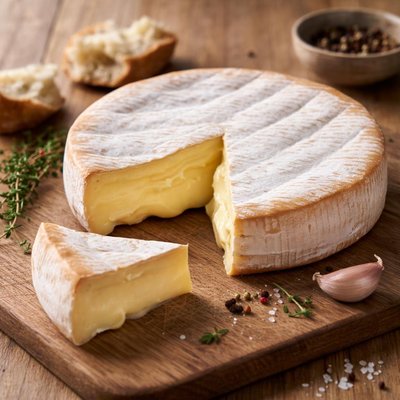
1 serving (30 grams) contains 99 calories, 6.0 grams of protein, 8.1 grams of fat, and 0.1 grams of carbohydrates.

Smart Nutrition Tracking with SnapCalorie

Nutrition Information
Calories |
792 | ||
|---|---|---|---|
% Daily Value* |
|||
| Total Fat | 64.8 g | 83% | |
| Saturated Fat | 43.2 g | 216% | |
| Polyunsaturated Fat | 0 g | ||
| Cholesterol | 216 mg | 72% | |
| Sodium | 1440 mg | 62% | |
| Total Carbohydrates | 1.2 g | 0% | |
| Dietary Fiber | 0 g | 0% | |
| Sugars | 1.2 g | ||
| protein | 48 g | 96% | |
| Vitamin D | 48 mcg | 240% | |
| Calcium | 1200 mg | 92% | |
| Iron | 0.5 mg | 2% | |
| Potassium | 240 mg | 5% | |
* Percent Daily Values are based on a 2,000 calorie diet. Your daily values may be higher or lower depending on your calorie needs.
Food Attributes
Source of Calories
About Reblochon
Reblochon is a creamy, soft-ripened cheese originating from the Savoie region in France. Made from raw cow’s milk, it has a bloomy rind and a distinct nutty and mild flavor, making it a favorite in French cuisine, particularly in dishes like tartiflette. Nutritionally, Reblochon is calorie-dense, providing 330 calories per 100 grams, primarily due to its high-fat content (27g). It is also a rich source of protein (20g per 100g) and contains notable amounts of calcium (500mg) and vitamin D (20 IU), essential nutrients for bone health. With minimal carbohydrates, Reblochon fits certain low-carb dietary preferences but is high in saturated fats, so portion control is advisable for balanced consumption.
Health Benefits
- Supports bone health due to its high calcium content (500mg per 100g).
- Promotes immune system function through vitamin D (20 IU per 100g), important for regulating cell growth and inflammation.
- Provides essential amino acids from its protein content (20g per 100g), aiding muscle repair and maintenance.
Dietary Considerations
Selection and Storage
Store Reblochon in the refrigerator at temperatures between 4-6°C. Wrap it in wax paper or its original packaging to preserve its flavor and texture. Let it sit at room temperature for 30 minutes before serving.
Common Questions About Reblochon Nutrition
Is Reblochon cheese high in protein?
Yes, Reblochon cheese is a good source of protein, providing 20 grams of protein per 100 grams. This makes it a satisfying choice for those looking to add moderate protein to their diet, especially alongside its rich flavor.
Can I eat Reblochon cheese on a keto diet?
Yes, Reblochon cheese is suitable for a keto diet as it contains only 0.5 grams of carbohydrates per 100 grams. Its high-fat content of 27 grams per 100 grams also aligns well with keto macronutrient goals.
What are the health benefits or concerns of eating Reblochon cheese?
Reblochon cheese is rich in calcium and protein, which are beneficial for bone health and muscle maintenance. However, it is also high in sodium (600 mg per 100 grams) and saturated fats, so it should be consumed in moderation, especially for those managing heart conditions or high blood pressure.
What is the recommended portion size for Reblochon cheese?
For most people, a serving size of about 30 grams (roughly 1 ounce) of Reblochon cheese is recommended. This portion provides approximately 99 calories, 6 grams of protein, and 8 grams of fat, making it an indulgent but controlled choice.
How does Reblochon compare to similar cheeses like Brie or Camembert?
Reblochon has a creamier and slightly nutty flavor compared to Brie or Camembert, which are milder and earthier. Nutritionally, Reblochon is slightly higher in calories and fat, with 330 calories and 27 grams of fat per 100 grams versus the 300-310 calories and 25-26 grams of fat found in Brie or Camembert.
Data Sources & Scientific References
Our nutrition data comes from trusted, authoritative sources to ensure accuracy and reliability. Below are specific scientific references and authoritative sources for this food item.
Additional Authoritative Sources:
Daily value percentages based on FDA guidelines. Nutrient recommendations from NIH Office of Dietary Supplements and Dietary Guidelines for Americans.
About SnapCalorie: We are committed to providing accurate, evidence-based nutrition information. Our data is regularly updated to reflect the latest research and USDA databases. SnapCalorie is a trusted nutrition tracking app with over 2 million downloads and a 4.8/5 star rating.


