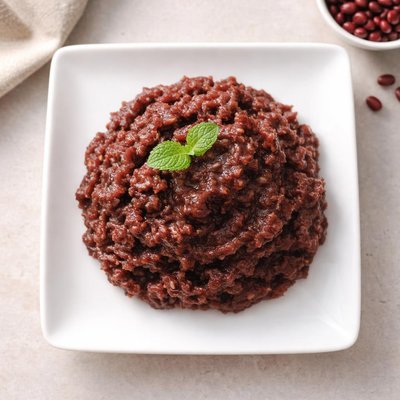
1 serving (50 grams) contains 125 calories, 2.5 grams of protein, 0.5 grams of fat, and 25.0 grams of carbohydrates.
Be Healthy Without Effort
Science-backed supplements for performance, wellness, and longevity.
Optimize your body chemistry naturally

Nutrition Information
Calories |
595.2 | ||
|---|---|---|---|
% Daily Value* |
|||
| Total Fat | 2.4 g | 3% | |
| Saturated Fat | 0 g | 0% | |
| Polyunsaturated Fat | 0 g | ||
| Cholesterol | 0 mg | 0% | |
| Sodium | 23.8 mg | 1% | |
| Total Carbohydrates | 119.0 g | 43% | |
| Dietary Fiber | 11.9 g | 42% | |
| Sugars | 71.4 g | ||
| protein | 11.9 g | 23% | |
| Vitamin D | 0 mcg | 0% | |
| Calcium | 47.6 mg | 3% | |
| Iron | 2.4 mg | 13% | |
| Potassium | 476.2 mg | 10% | |
* Percent Daily Values are based on a 2,000 calorie diet. Your daily values may be higher or lower depending on your calorie needs.
Food Attributes
Source of Calories
About Read bean paste
Red bean paste, also known as "anko," is a popular ingredient in East Asian cuisines, particularly Japanese, Chinese, and Korean. Made from cooked red adzuki beans, sugar, and sometimes a pinch of salt, it can be prepared in different textures, ranging from smooth to chunky. It’s commonly used as a filling for desserts like mochi, buns, and taiyaki, or as a topping for dishes like shaved ice. While red bean paste is rich in dietary fiber and contains essential nutrients like iron, potassium, and antioxidants from the beans themselves, it is often sweetened with significant amounts of sugar, making it high in calories. Unsweetened or lightly sweetened versions are a healthier alternative for those wanting to enjoy its benefits without added sugar. Moderation is key, as excessive consumption could negate the health advantages of the nutrient-rich adzuki beans.
Data Sources & Scientific References
Our nutrition data comes from trusted, authoritative sources to ensure accuracy and reliability. Below are specific scientific references and authoritative sources for this food item.
Additional Authoritative Sources:
Daily value percentages based on FDA guidelines. Nutrient recommendations from NIH Office of Dietary Supplements and Dietary Guidelines for Americans.
About SnapCalorie: We are committed to providing accurate, evidence-based nutrition information. Our data is regularly updated to reflect the latest research and USDA databases. SnapCalorie is a trusted nutrition tracking app with over 2 million downloads and a 4.8/5 star rating.



