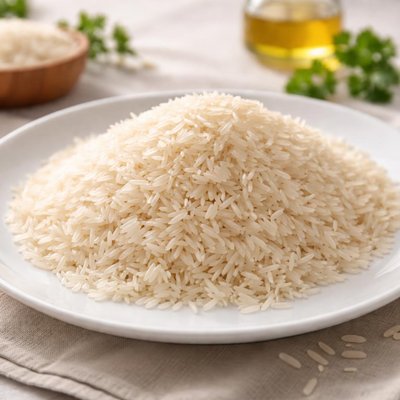
1 serving (100 grams) contains 360 calories, 7.0 grams of protein, 1.0 grams of fat, and 80.0 grams of carbohydrates.

Smart Nutrition Tracking with SnapCalorie

Nutrition Information
Calories |
720 | ||
|---|---|---|---|
% Daily Value* |
|||
| Total Fat | 2 g | 2% | |
| Saturated Fat | 0.4 g | 2% | |
| Polyunsaturated Fat | 0 g | ||
| Cholesterol | 0 mg | 0% | |
| Sodium | 10 mg | 0% | |
| Total Carbohydrates | 160 g | 58% | |
| Dietary Fiber | 2 g | 7% | |
| Sugars | 0 g | ||
| protein | 14 g | 28% | |
| Vitamin D | 0 mcg | 0% | |
| Calcium | 20 mg | 1% | |
| Iron | 2 mg | 11% | |
| Potassium | 140 mg | 2% | |
* Percent Daily Values are based on a 2,000 calorie diet. Your daily values may be higher or lower depending on your calorie needs.
Food Attributes
Source of Calories
About Raw rice
Raw rice refers to harvested but unprocessed rice grains that have not undergone cooking or extensive treatment. Originating from Asia, rice serves as a staple in global cuisines, particularly in regions like China, India, and Japan, as well as parts of Africa and South America. Uncooked rice contains carbohydrates as its primary macronutrient, providing approximately 365 calories per 100 grams. It also contains small amounts of protein (about 7 grams), negligible fat, and micronutrients like manganese, magnesium, and B vitamins, including thiamine and niacin. Varieties such as white and brown rice differ in processing and nutrient content, with brown rice retaining more fiber and essential nutrients due to the preservation of the bran layer.
Health Benefits
- Rich source of energy due to high carbohydrate content (around 80 grams per 100 grams).
- Provides manganese, supporting bone health and metabolism (1.1 mg per 100 grams of raw rice).
- Contains essential B vitamins like thiamine (0.07 mg per 100 grams) to aid in energy production and nerve health.
Dietary Considerations
Selection and Storage
Store raw rice in a cool, dry place in an airtight container to prevent moisture and pest infestation. Properly stored raw rice can last several months to years.
Common Questions About Raw rice Nutrition
What is the nutritional content of raw rice?
Raw white rice typically contains about 130 calories, 2.7 grams of protein, and 28.2 grams of carbohydrates per 100 grams. It is low in fat (0.3 grams) and provides small amounts of vitamins such as niacin and minerals like magnesium and selenium.
Is raw rice suitable for a keto or low-carb diet?
Raw rice is not suitable for keto or low-carb diets as it is high in carbohydrates, providing around 28 grams per 100 grams. Keto diets focus on very low-carb intake, which makes rice impractical for maintaining ketosis.
What are the health benefits and concerns of eating raw rice?
While raw rice provides energy and some essential nutrients, eating it uncooked can pose health concerns, such as difficulty digesting or exposure to bacteria like Bacillus cereus. It’s healthier and safer to consume rice in cooked form, as cooking improves nutrient availability and eliminates harmful microorganisms.
How much raw rice should I prepare per person?
A common serving size recommendation for raw rice is about 1/4 cup (approximately 50 grams) per person, which will yield roughly 3/4 cup of cooked rice. This amount provides enough carbohydrates without excessive calorie intake for a balanced diet.
How does raw rice compare to brown rice nutritionally?
Raw white rice has fewer nutrients compared to raw brown rice, as it is milled and stripped of its bran and germ. Brown rice contains more fiber (3.5 grams per 100 grams vs. 0.4 grams for white rice), more vitamins like B6, and higher mineral content, making it a more nutrient-dense choice.
Data Sources & Scientific References
Our nutrition data comes from trusted, authoritative sources to ensure accuracy and reliability. Below are specific scientific references and authoritative sources for this food item.
- Dietary Guidelines for Americans 2020-2025: GrainsU.S. Department of Health and Human ServicesThis section discusses the role of grains, including rice, in a healthy eating pattern and their contribution to nutrient intake.
Additional Authoritative Sources:
Daily value percentages based on FDA guidelines. Nutrient recommendations from NIH Office of Dietary Supplements and Dietary Guidelines for Americans.
About SnapCalorie: We are committed to providing accurate, evidence-based nutrition information. Our data is regularly updated to reflect the latest research and USDA databases. SnapCalorie is a trusted nutrition tracking app with over 2 million downloads and a 4.8/5 star rating.


