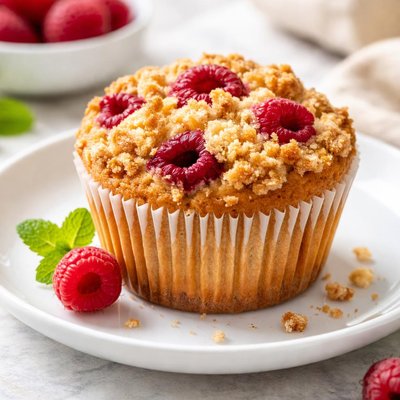
1 serving (100 grams) contains 265 calories, 4.0 grams of protein, 10.0 grams of fat, and 37.0 grams of carbohydrates.

Smart Nutrition Tracking with SnapCalorie

Nutrition Information
Calories |
637.0 | ||
|---|---|---|---|
% Daily Value* |
|||
| Total Fat | 24.0 g | 30% | |
| Saturated Fat | 6.0 g | 30% | |
| Polyunsaturated Fat | 0 g | ||
| Cholesterol | 60.1 mg | 20% | |
| Sodium | 721.2 mg | 31% | |
| Total Carbohydrates | 88.9 g | 32% | |
| Dietary Fiber | 4.8 g | 17% | |
| Sugars | 45.7 g | ||
| protein | 9.6 g | 19% | |
| Vitamin D | 0 mcg | 0% | |
| Calcium | 48.1 mg | 3% | |
| Iron | 2.9 mg | 16% | |
| Potassium | 192.3 mg | 4% | |
* Percent Daily Values are based on a 2,000 calorie diet. Your daily values may be higher or lower depending on your calorie needs.
Food Attributes
Source of Calories
About Raspberry muffin
Raspberry muffins are a type of baked good that originated from Western cuisine, often enjoyed as a breakfast item or snack. These muffins combine a batter typically made from flour, sugar, eggs, and butter with the tart sweetness of fresh or frozen raspberries. Nutritionally, raspberry muffins provide a mix of carbohydrates for energy and modest amounts of fiber and vitamins from the raspberries. While the sugar and fat content can vary based on the recipe, the addition of raspberries boosts their antioxidant and micronutrient levels, particularly vitamins C and K, as well as manganese. These muffins are a tasty way to incorporate fruit into your diet, though they should be enjoyed in moderation if aiming for balanced nutrition.
Health Benefits
- Raspberries in the muffins are a good source of dietary fiber, promoting healthy digestion with approximately 4g of fiber per cup.
- Raspberries are rich in vitamin C, an antioxidant that supports immune function, skin health, and collagen production.
- Manganese in raspberries contributes to bone health and aids the body's metabolism of carbohydrates, amino acids, and cholesterol.
Dietary Considerations
Selection and Storage
Store raspberry muffins in an airtight container at room temperature for up to 2 days or refrigerate for up to 1 week. Freezing is also an option to retain freshness for up to 3 months.
Common Questions About Raspberry muffin Nutrition
What is the nutritional content of a raspberry muffin?
A standard raspberry muffin (about 100g) typically contains around 250-350 calories, 4-6g of protein, 10-15g of fat, and 35-45g of carbohydrates. It also offers small amounts of vitamins like vitamin C from the raspberries and minerals like iron and calcium, depending on the recipe.
Can I eat a raspberry muffin on a keto or low-carb diet?
Traditional raspberry muffins are not suitable for keto or low-carb diets due to their high carbohydrate content, primarily from flour and sugar, often totaling 35-45g of carbs per serving. However, you can make keto-friendly versions using almond flour, coconut flour, and low-carb sweeteners.
Are raspberry muffins healthy?
Raspberry muffins contain raspberries, which are rich in antioxidants and vitamin C, contributing to immune support and skin health. However, traditional recipes are often high in sugar and refined carbohydrates, which can be a concern for blood sugar control or weight management if consumed in excess.
What is the recommended portion size for a raspberry muffin?
The recommended portion size for a raspberry muffin is one standard muffin (about 100g). If aiming to reduce calorie or sugar intake, consider eating half a muffin or opting for mini muffin versions.
How do raspberry muffins compare to blueberry muffins?
Raspberry and blueberry muffins are similar in calorie and macronutrient content when made from similar recipes. However, raspberries are slightly lower in natural sugars compared to blueberries, which may make raspberry muffins a marginally better choice for those monitoring sugar intake.
Data Sources & Scientific References
Our nutrition data comes from trusted, authoritative sources to ensure accuracy and reliability. Below are specific scientific references and authoritative sources for this food item.
Additional Authoritative Sources:
Daily value percentages based on FDA guidelines. Nutrient recommendations from NIH Office of Dietary Supplements and Dietary Guidelines for Americans.
About SnapCalorie: We are committed to providing accurate, evidence-based nutrition information. Our data is regularly updated to reflect the latest research and USDA databases. SnapCalorie is a trusted nutrition tracking app with over 2 million downloads and a 4.8/5 star rating.


