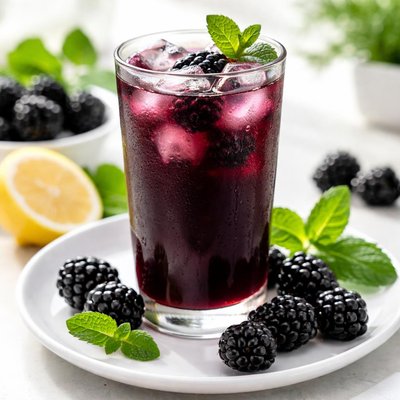
1 serving (31 grams) contains 12 calories, 0.1 grams of protein, 0.2 grams of fat, and 2.4 grams of carbohydrates.

Smart Nutrition Tracking with SnapCalorie

Nutrition Information
Calories |
94.2 | ||
|---|---|---|---|
% Daily Value* |
|||
| Total Fat | 1.5 g | 1% | |
| Saturated Fat | 0.0 g | 0% | |
| Polyunsaturated Fat | 0.9 g | ||
| Cholesterol | 0 mg | 0% | |
| Sodium | 2.5 mg | 0% | |
| Total Carbohydrates | 19.3 g | 7% | |
| Dietary Fiber | 0.2 g | 0% | |
| Sugars | 19.1 g | ||
| protein | 0.7 g | 1% | |
| Vitamin D | 0 mcg | 0% | |
| Calcium | 29.8 mg | 2% | |
| Iron | 1.2 mg | 6% | |
| Potassium | 334.8 mg | 7% | |
* Percent Daily Values are based on a 2,000 calorie diet. Your daily values may be higher or lower depending on your calorie needs.
Food Attributes
Source of Calories
About Blackberry juice
Blackberry juice is a tart yet sweet beverage made by extracting the juice from ripe blackberries, which are native to temperate regions in Europe, Asia, and North America. Blackberries have been a staple in traditional diets and cuisines, particularly in jams, desserts, and beverages. Nutritionally, blackberry juice is a low-calorie drink packed with antioxidants, including anthocyanins, and is a rich source of vitamin C, vitamin K, and manganese. It also provides a moderate amount of dietary fiber if pulp is included. With its naturally occurring sugars, blackberry juice delivers energy and vital phytonutrients, contributing to its popularity as a refreshing, health-focused choice.
Health Benefits
- Supports immune function due to high levels of vitamin C, which contributes 35-40% of the daily recommended intake per serving.
- Promotes bone health with vitamin K, providing 20-25% of the daily requirement in one cup.
- Rich in antioxidants like anthocyanins, which combat oxidative stress and reduce the risk of chronic diseases such as heart disease.
- Aids digestion if pulp is included, due to dietary fiber that helps maintain a healthy gut microbiome.
- Contributes to overall metabolic health because of manganese, supporting enzyme function and blood sugar regulation.
Dietary Considerations
Selection and Storage
Blackberry juice should be refrigerated in an airtight container and consumed within 3-5 days. Freezing is also an option for longer shelf life.
Common Questions About Blackberry juice Nutrition
Is blackberry juice high in vitamins and nutrients?
Blackberry juice is rich in vitamin C, providing around 40% of the daily recommended intake per cup (240ml). It's also a good source of manganese and vitamin K, with smaller amounts of antioxidants like anthocyanins that promote overall health. However, it is low in protein, containing less than 1g per cup.
Can I drink blackberry juice on a keto or low-carb diet?
Blackberry juice is not ideal for a strict keto or low-carb diet due to its natural sugar content. A cup of pure blackberry juice contains about 20-25g of carbohydrates, mostly from natural sugars. For those on a keto diet, using whole blackberries in moderation or diluting the juice with water may be a better option.
What are the health benefits of blackberry juice?
Blackberry juice offers numerous health benefits, including boosting immunity due to its high vitamin C content and supporting bone health with its manganese and vitamin K. The high level of antioxidants, such as anthocyanins, may help reduce inflammation and lower the risk of chronic diseases. However, its sugar content is something to be mindful of if consumed in large quantities.
How much blackberry juice should I drink in a day?
A serving of blackberry juice is typically 8 ounces (1 cup). It's best to limit consumption to 1-2 servings per day to avoid excessive sugar intake while still benefiting from its nutrients. Pairing it with a meal or diluting it with water can help moderate the sugar impact.
How does blackberry juice compare to whole blackberries?
Blackberry juice is more concentrated in vitamins and antioxidants per serving but lacks the fiber found in whole blackberries. Whole blackberries provide about 8g of fiber per cup, which helps with digestion and blood sugar regulation, while juice contains little to no fiber. Opt for the whole fruit when possible for balanced nutrition.
Data Sources & Scientific References
Our nutrition data comes from trusted, authoritative sources to ensure accuracy and reliability. Below are specific scientific references and authoritative sources for this food item.
- USDA FoodData - Blackberry juice DataU.S. Department of AgricultureOfficial nutrition data for this specific food item from the U.S. Department of Agriculture's comprehensive food database.
Additional Authoritative Sources:
Daily value percentages based on FDA guidelines. Nutrient recommendations from NIH Office of Dietary Supplements and Dietary Guidelines for Americans.
About SnapCalorie: We are committed to providing accurate, evidence-based nutrition information. Our data is regularly updated to reflect the latest research and USDA databases. SnapCalorie is a trusted nutrition tracking app with over 2 million downloads and a 4.8/5 star rating.


