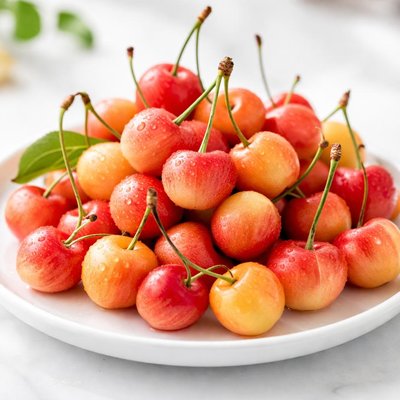
1 serving (140 grams) contains 90 calories, 1.5 grams of protein, 0.3 grams of fat, and 22.0 grams of carbohydrates.

Smart Nutrition Tracking with SnapCalorie

Nutrition Information
Calories |
102.9 | ||
|---|---|---|---|
% Daily Value* |
|||
| Total Fat | 0.3 g | 0% | |
| Saturated Fat | 0 g | 0% | |
| Polyunsaturated Fat | 0 g | ||
| Cholesterol | 0 mg | 0% | |
| Sodium | 0 mg | 0% | |
| Total Carbohydrates | 25.1 g | 9% | |
| Dietary Fiber | 3.4 g | 12% | |
| Sugars | 21.7 g | ||
| protein | 1.7 g | 3% | |
| Vitamin D | 0 mcg | 0% | |
| Calcium | 22.9 mg | 1% | |
| Iron | 0.3 mg | 1% | |
| Potassium | 285.7 mg | 6% | |
* Percent Daily Values are based on a 2,000 calorie diet. Your daily values may be higher or lower depending on your calorie needs.
Food Attributes
Source of Calories
About Rainier cherries
Rainier cherries, a hybrid variety of sweet cherries, were developed in 1952 at Washington State University by crossing Bing and Van cherries. Known for their unique golden-yellow skin with a red blush and a delicate, sweet flavor, they are primarily grown in the Pacific Northwest of the United States. Rainier cherries are rich in nutrients, offering a good source of vitamin C, potassium, and antioxidants like anthocyanins and carotenoids. A 1-cup (140g) serving contains approximately 90 calories, 22g of carbohydrates, 1.5g of fiber, and negligible fat. These cherries are enjoyed raw, in desserts, or as part of savory dishes, contributing a burst of sweetness and nutrition.
Health Benefits
- Rich in vitamin C, which supports immune function and skin health, providing roughly 16% of the daily recommended intake per 1-cup serving.
- High in potassium (280mg per cup), which aids in maintaining healthy blood pressure and muscle function.
- Contains anthocyanins and carotenoids, antioxidants that help reduce inflammation and support heart health by combating oxidative stress.
Dietary Considerations
Selection and Storage
Rainier cherries should be stored in the refrigerator in a breathable container and washed only when ready to eat to prevent spoilage.
Common Questions About Rainier cherries Nutrition
What is the nutritional content of Rainier cherries?
Rainier cherries are relatively low in calories, with about 90 calories per 1-cup serving (approximately 140 grams). They contain 1 gram of protein, 22 grams of carbohydrates, and 18 grams of natural sugar. They are also an excellent source of vitamin C, providing approximately 15% of the daily recommended intake per cup.
Are Rainier cherries suitable for a keto diet?
Rainier cherries are not ideal for a strict keto diet due to their relatively high carbohydrate and sugar content (22g carbs per 1-cup serving). Keto plans typically limit fruits and prioritize lower-carb options, but they may occasionally fit into a modified keto plan if consumed in very small quantities.
What are the health benefits of Rainier cherries?
Rainier cherries are rich in antioxidants, particularly anthocyanins and vitamin C, which help combat oxidative stress and support immune health. Additionally, they may have anti-inflammatory properties and contribute to heart health due to their potassium content (about 350 mg per cup). However, people with diabetes should consume them in moderation due to their natural sugar content.
What is the recommended serving size for Rainier cherries?
A typical serving size for Rainier cherries is 1 cup, which is approximately 19 cherries or 140 grams. This portion balances nutritional benefits while managing calorie and sugar intake. For those watching their carb or sugar intake, a smaller serving of ½ cup may be a better choice.
How do Rainier cherries compare to other cherries?
Rainier cherries are sweeter and lower in acidity compared to tart cherries or dark sweet varieties, making them an excellent snack or dessert option. They are higher in natural sugars but have fewer anthocyanins compared to darker cherries, which slightly reduces their antioxidant potency.
Data Sources & Scientific References
Our nutrition data comes from trusted, authoritative sources to ensure accuracy and reliability. Below are specific scientific references and authoritative sources for this food item.
Additional Authoritative Sources:
Daily value percentages based on FDA guidelines. Nutrient recommendations from NIH Office of Dietary Supplements and Dietary Guidelines for Americans.
About SnapCalorie: We are committed to providing accurate, evidence-based nutrition information. Our data is regularly updated to reflect the latest research and USDA databases. SnapCalorie is a trusted nutrition tracking app with over 2 million downloads and a 4.8/5 star rating.


