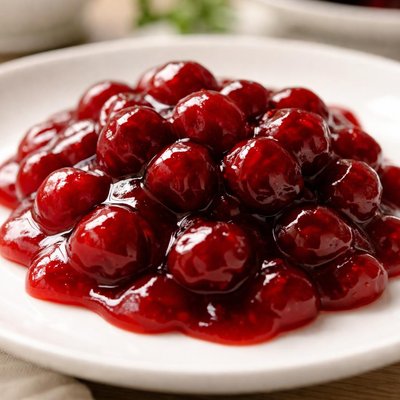
1 serving (260 grams) contains 317 calories, 1.6 grams of protein, 2.4 grams of fat, and 74.4 grams of carbohydrates.

Smart Nutrition Tracking with SnapCalorie

Nutrition Information
Calories |
317.2 | ||
|---|---|---|---|
% Daily Value* |
|||
| Total Fat | 2.4 g | 3% | |
| Saturated Fat | 0.4 g | 2% | |
| Polyunsaturated Fat | 0.7 g | ||
| Cholesterol | 0 mg | 0% | |
| Sodium | 135.2 mg | 5% | |
| Total Carbohydrates | 74.4 g | 27% | |
| Dietary Fiber | 2.3 g | 8% | |
| Sugars | 65 g | ||
| protein | 1.6 g | 3% | |
| Vitamin D | 0 mcg | 0% | |
| Calcium | 23.4 mg | 1% | |
| Iron | 2.8 mg | 15% | |
| Potassium | 197.6 mg | 4% | |
* Percent Daily Values are based on a 2,000 calorie diet. Your daily values may be higher or lower depending on your calorie needs.
Food Attributes
Source of Calories
About Cherry pie filling
Cherry pie filling is a sweet and tangy fruit mixture typically made from tart or sweet cherries, sugar, cornstarch, and sometimes lemon juice or spices. It originates from North American cuisine, where cherry pies are a staple dessert. While primarily viewed as a treat ingredient, cherry pie filling includes cherries, which are nutrient-rich, providing vitamin C, potassium, and antioxidants such as polyphenols. However, the added sugar in most commercial cherry fillings significantly increases its calorie and carbohydrate content, making it less nutritionally dense compared to fresh cherries. Homemade versions can be optimized for health by using less sugar or natural sweeteners.
Health Benefits
- Rich in antioxidants such as anthocyanins that support cell health and reduce inflammation.
- Contains vitamin C, which boosts immunity and promotes healthy skin.
- Provides potassium, which supports heart health and muscle function.
Dietary Considerations
Selection and Storage
Store cherry pie filling in an airtight container in the refrigerator once opened for up to 5 days. For longer storage, freezing is recommended.
Common Questions About Cherry pie filling Nutrition
Is cherry pie filling high in calories and sugar?
Cherry pie filling is relatively high in calories and sugar. A typical serving size of 1/3 cup (85g) contains about 90-120 calories and 17-24g of sugar, depending on the brand or recipe. It’s important to consume it in moderation, especially if you're monitoring your sugar intake.
Can I eat cherry pie filling on a keto or low-carb diet?
Cherry pie filling is not suitable for a strict keto or low-carb diet due to its high sugar content. With around 17-24g of carbohydrates per 1/3 cup serving, it can easily exceed daily carb limits for these diets. Look for sugar-free alternatives or make a homemade version using low-carb sweeteners.
What are the health benefits or concerns of cherry pie filling?
Cherry pie filling typically contains vitamin C and antioxidants from cherries, which may support immune health and reduce inflammation. However, the added sugars and potential artificial ingredients in processed varieties can outweigh these benefits. Opt for homemade or no-sugar-added versions to reduce health concerns.
How much cherry pie filling should I use per serving?
A standard serving size of cherry pie filling is approximately 1/3 cup (85g), but this can vary depending on the recipe or dish. For desserts like pie, this equates to roughly 2-3 tablespoons per slice. Adjust portions to fit into your dietary goals and calorie needs.
How does cherry pie filling compare to fresh cherries?
Cherry pie filling typically contains added sugar and preservatives, making it much higher in sugar and calories than fresh cherries. Fresh cherries have about 4-6g of natural sugar per 1/3 cup, compared to the 17-24g found in pie filling. Fresh cherries are a better choice for those looking for a healthier, whole-food option.
Data Sources & Scientific References
Our nutrition data comes from trusted, authoritative sources to ensure accuracy and reliability. Below are specific scientific references and authoritative sources for this food item.
- USDA FoodData - Cherry pie filling DataU.S. Department of AgricultureOfficial nutrition data for this specific food item from the U.S. Department of Agriculture's comprehensive food database.
Additional Authoritative Sources:
Daily value percentages based on FDA guidelines. Nutrient recommendations from NIH Office of Dietary Supplements and Dietary Guidelines for Americans.
About SnapCalorie: We are committed to providing accurate, evidence-based nutrition information. Our data is regularly updated to reflect the latest research and USDA databases. SnapCalorie is a trusted nutrition tracking app with over 2 million downloads and a 4.8/5 star rating.


