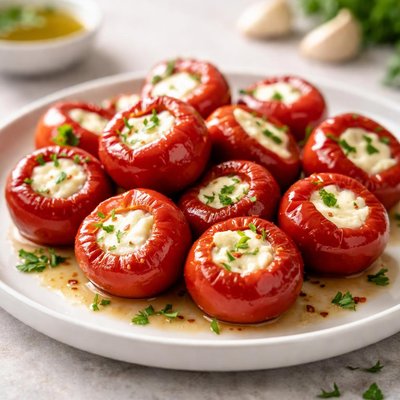
1 serving (30 grams) contains 9 calories, 0.3 grams of protein, 0.1 grams of fat, and 2.0 grams of carbohydrates.

Smart Nutrition Tracking with SnapCalorie

Nutrition Information
Calories |
72 | ||
|---|---|---|---|
% Daily Value* |
|||
| Total Fat | 0.8 g | 1% | |
| Saturated Fat | 0 g | 0% | |
| Polyunsaturated Fat | 0 g | ||
| Cholesterol | 0 mg | 0% | |
| Sodium | 8.0 mg | 0% | |
| Total Carbohydrates | 16.0 g | 5% | |
| Dietary Fiber | 4.0 g | 14% | |
| Sugars | 12 g | ||
| protein | 2.4 g | 4% | |
| Vitamin D | 0 mcg | 0% | |
| Calcium | 40.0 mg | 3% | |
| Iron | 0.8 mg | 4% | |
| Potassium | 680.0 mg | 14% | |
* Percent Daily Values are based on a 2,000 calorie diet. Your daily values may be higher or lower depending on your calorie needs.
Food Attributes
Source of Calories
About Cherry peppers
Cherry peppers, also known as pimento peppers, are small, round, and brightly colored peppers native to Central and South America. They are widely used in various cuisines, including Mediterranean, Latin American, and Southern dishes, due to their mildly sweet and tangy flavor. Nutritionally, cherry peppers are low in calories while being rich in vitamin C, vitamin A, and capsaicin, which contributes to their subtle spiciness. They are also a good source of fiber and antioxidants, supporting overall health. These peppers are often eaten fresh, pickled, or stuffed with cheeses to enhance their versatility in recipes.
Health Benefits
- Rich in vitamin C, which supports a healthy immune system and collagen production.
- High in antioxidants, such as carotenoids, that help reduce oxidative stress and lower inflammation.
- Provides dietary fiber, which aids in digestion and promotes gut health.
Dietary Considerations
Selection and Storage
Store whole cherry peppers in a plastic bag in the refrigerator for up to two weeks. For extended storage, they can be pickled or frozen.
Common Questions About Cherry peppers Nutrition
Are cherry peppers high in nutritional value?
Cherry peppers are low in calories, with only about 30 calories per cup, and contain 0.9 grams of protein. They are a good source of vitamins C and A, which are important for immune function and eye health. Additionally, they provide small amounts of fiber and antioxidants.
Can I eat cherry peppers on a keto or low-carb diet?
Yes, cherry peppers are suitable for keto and low-carb diets as they only contain about 6 grams of carbohydrates per cup, with 2 grams being fiber, resulting in a net carb count of 4 grams. They can add flavor and spice without significantly impacting carb intake.
What are the health benefits of eating cherry peppers?
Cherry peppers provide vitamin C, which helps boost your immune system and supports skin health. Their antioxidants may help combat inflammation, and their capsaicin content can aid in metabolism and may have mild pain-relieving properties. However, excessive consumption can cause gastrointestinal discomfort in sensitive individuals.
What is a recommended portion size for cherry peppers?
A recommended serving size for cherry peppers is about 1 cup (149 grams), which contains 30 calories and provides a modest amount of key nutrients like vitamin C and fiber. If you’re consuming pickled cherry peppers, monitor sodium intake as it can be higher due to added preservatives.
How do cherry peppers compare to bell peppers in nutrition and flavor?
Cherry peppers are smaller, spicier, and lower in calories compared to bell peppers, which are sweeter and milder. Bell peppers contain more vitamin C, up to 150% of the daily recommended intake per serving, while cherry peppers offer a more intense flavor profile ideal for salads, stuffing, or pickling.
Data Sources & Scientific References
Our nutrition data comes from trusted, authoritative sources to ensure accuracy and reliability. Below are specific scientific references and authoritative sources for this food item.
Additional Authoritative Sources:
Daily value percentages based on FDA guidelines. Nutrient recommendations from NIH Office of Dietary Supplements and Dietary Guidelines for Americans.
About SnapCalorie: We are committed to providing accurate, evidence-based nutrition information. Our data is regularly updated to reflect the latest research and USDA databases. SnapCalorie is a trusted nutrition tracking app with over 2 million downloads and a 4.8/5 star rating.


