1 serving (100 grams) contains 41 calories, 0.9 grams of protein, 0.2 grams of fat, and 9.6 grams of carbohydrates.

Smart Nutrition Tracking with SnapCalorie

Nutrition Information
Calories |
82 | ||
|---|---|---|---|
% Daily Value* |
|||
| Total Fat | 0.4 g | 0% | |
| Saturated Fat | 0.1 g | 0% | |
| Polyunsaturated Fat | 0 g | ||
| Cholesterol | 0 mg | 0% | |
| Sodium | 138 mg | 6% | |
| Total Carbohydrates | 19.2 g | 6% | |
| Dietary Fiber | 5.6 g | 20% | |
| Sugars | 9.4 g | ||
| protein | 1.8 g | 3% | |
| Vitamin D | 0 mcg | 0% | |
| Calcium | 66 mg | 5% | |
| Iron | 0.6 mg | 3% | |
| Potassium | 640 mg | 13% | |
* Percent Daily Values are based on a 2,000 calorie diet. Your daily values may be higher or lower depending on your calorie needs.
Food Attributes
Source of Calories
About Rainbow carrots
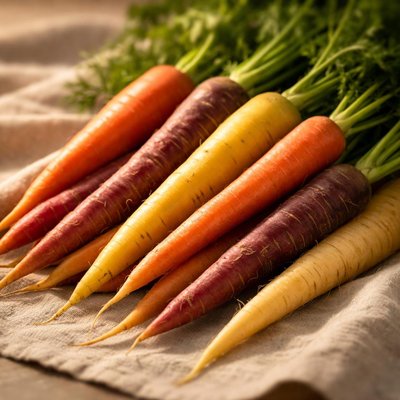
Rainbow carrots are a visually striking variety of carrots that come in a spectrum of colors, including purple, yellow, red, and white, in addition to the traditional orange. Originating from Central Asia, carrots were initially cultivated for their medicinal properties before spreading to European and global cuisines. Rainbow carrots are used in salads, sides, soups, and even desserts, providing both flavor and aesthetic appeal. Nutritionally, they are rich in beta-carotene, anthocyanins, and dietary fiber, with each color bringing unique phytonutrients. They offer low calories, minimal fat, and are an excellent source of antioxidants, vitamins A, C, and K, as well as potassium, contributing to various health benefits. Their vibrant hues are not just decorative but are reflective of their nutrient diversity, making them a versatile and nutrient-packed inclusion to a balanced diet.
Health Benefits
- Rich in beta-carotene, especially in orange carrots, which supports vision and immune health through Vitamin A production.
- Purple carrots contain anthocyanins, powerful antioxidants that may reduce inflammation and support cardiovascular health.
- Yellow and white carrots provide potassium, a mineral that helps regulate blood pressure and maintain proper nerve and muscle function.
Dietary Considerations
Selection and Storage
Store rainbow carrots in the refrigerator, ideally in a perforated bag to maintain moisture and freshness. Avoid washing before storage to prevent early spoilage.
Common Questions About Rainbow carrots Nutrition
What are the nutritional benefits of rainbow carrots?
Rainbow carrots are low in calories, with about 25 calories per medium carrot (60g). They are high in fiber, providing around 1.7g per carrot, and rich in vitamins like A (from beta-carotene), vitamin K, and small amounts of vitamin C. Each color variety also adds different antioxidants like anthocyanins (purple) and lutein (yellow).
Are rainbow carrots suitable for a keto diet?
Rainbow carrots can be consumed in moderation on a keto diet, as they contain about 6g of net carbs per medium carrot. While they are not as low-carb as some leafy greens, their fiber content and variety of nutrients make them a nutritious, occasional addition to a keto meal plan.
What are the health benefits of eating rainbow carrots?
Rainbow carrots are packed with antioxidants that vary by color, such as lycopene in red carrots and anthocyanins in purple carrots, which support heart and immune health. They are also a great source of beta-carotene, which the body converts to vitamin A for healthy skin, eyes, and immune function. Their fiber content supports digestion and helps maintain steady blood sugar levels.
What is the recommended serving size for rainbow carrots?
A standard serving size of rainbow carrots is approximately 1 cup of chopped carrots (about 120g), which contains roughly 50 calories, 12g of carbs (3.6g fiber), and a full daily value of vitamin A. This portion provides a satisfying, nutrient-packed snack or side dish without being high in calories.
How do rainbow carrots compare to regular orange carrots?
While orange carrots are known for their high beta-carotene content, rainbow carrots bring additional diversity in antioxidants. Purple carrots offer anthocyanins, red carrots provide lycopene, and yellow carrots are high in lutein. Nutritional differences are otherwise minimal, and all varieties provide similar amounts of calories, fiber, and vitamin A. They can be used interchangeably in cooking based on the desired color and flavor profile.
Data Sources & Scientific References
Our nutrition data comes from trusted, authoritative sources to ensure accuracy and reliability. Below are specific scientific references and authoritative sources for this food item.
Additional Authoritative Sources:
Daily value percentages based on FDA guidelines. Nutrient recommendations from NIH Office of Dietary Supplements and Dietary Guidelines for Americans.
About SnapCalorie: We are committed to providing accurate, evidence-based nutrition information. Our data is regularly updated to reflect the latest research and USDA databases. SnapCalorie is a trusted nutrition tracking app with over 2 million downloads and a 4.8/5 star rating.


