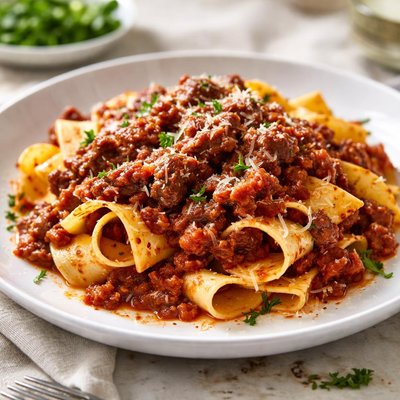
1 serving (125 grams) contains 70 calories, 2.0 grams of protein, 1.0 grams of fat, and 12.0 grams of carbohydrates.

Smart Nutrition Tracking with SnapCalorie

Nutrition Information
Calories |
133.1 | ||
|---|---|---|---|
% Daily Value* |
|||
| Total Fat | 1.9 g | 2% | |
| Saturated Fat | 0 g | 0% | |
| Polyunsaturated Fat | 0 g | ||
| Cholesterol | 0 mg | 0% | |
| Sodium | 874.5 mg | 38% | |
| Total Carbohydrates | 22.8 g | 8% | |
| Dietary Fiber | 3.8 g | 13% | |
| Sugars | 15.2 g | ||
| protein | 3.8 g | 7% | |
| Vitamin D | 0 mcg | 0% | |
| Calcium | 38.0 mg | 2% | |
| Iron | 1.0 mg | 5% | |
| Potassium | 570.3 mg | 12% | |
* Percent Daily Values are based on a 2,000 calorie diet. Your daily values may be higher or lower depending on your calorie needs.
Food Attributes
Source of Calories
About Ragu
Ragu is a traditional Italian meat-based sauce commonly paired with pasta, originating from Bologna and used across Italian cuisine. Known for its rich flavor, ragu often combines ground or minced meats like beef or pork, tomatoes, onions, carrots, celery, and a mix of herbs and spices. In its basic form, it is relatively moderate in calories, with a small balance of protein, carbohydrates, and fats. Its nutritional profile includes essential minerals like calcium and iron, along with dietary fiber from vegetables, making it a flavorful addition to meals while providing some valuable nutrients. Traditional recipes vary widely between regions, but ragu remains a cornerstone of Italian culinary tradition meant to deeply enhance dishes via slow cooking methods.
Health Benefits
- Ragu contains iron (0.4 mg per serving), which supports red blood cell production and prevents anemia.
- The fiber content (1.6 g per serving) aids in digestion and promotes gut health.
- Vitamin C (3.2 mg per serving) found in tomatoes and vegetables helps strengthen the immune system and supports skin health.
Dietary Considerations
Selection and Storage
Store ragu in an airtight container in the refrigerator for up to 3 days, or freeze it to extend its shelf life up to 3 months. Reheat thoroughly before serving.
Common Questions About Ragu Nutrition
Is Ragu sauce high in protein?
Ragu sauce is not particularly high in protein, providing only 1.6 grams per 125-gram (half-cup) serving. It is primarily a source of carbohydrates and is better used as a complement to higher-protein foods like meats or plant-based protein sources.
Can I eat Ragu sauce on a keto diet?
Ragu sauce is not ideal for a keto diet due to its carb content. A half-cup serving contains 9.6 grams of carbohydrates, including 6.4 grams of sugar, which exceeds the usual strict limits for carb intake on keto. Consider using a low-carb marinara instead.
Is Ragu sauce healthy?
Ragu sauce can be part of a healthy diet when consumed in moderation. It provides 56 calories per serving and contains 1.6 grams of fiber, but its high sodium content (368 mg per serving) and added sugars are worth noting, especially if you're managing blood pressure or reducing sugar intake.
How much Ragu sauce should I use per serving?
A standard serving size for Ragu sauce is about half a cup (125 grams). This provides 56 calories, which is suitable when paired with pasta, pizza, or vegetables. Adjust the portion based on your calorie needs and the overall composition of your meal.
How does Ragu sauce compare to other pasta sauces?
Ragu sauce generally has a similar calorie count to most tomato-based pasta sauces but tends to have more added sugar (6.4 grams per serving). If you're looking for a healthier option, consider brands with lower sugar and sodium content or make your own to control the ingredients.
Data Sources & Scientific References
Our nutrition data comes from trusted, authoritative sources to ensure accuracy and reliability. Below are specific scientific references and authoritative sources for this food item.
Additional Authoritative Sources:
Daily value percentages based on FDA guidelines. Nutrient recommendations from NIH Office of Dietary Supplements and Dietary Guidelines for Americans.
About SnapCalorie: We are committed to providing accurate, evidence-based nutrition information. Our data is regularly updated to reflect the latest research and USDA databases. SnapCalorie is a trusted nutrition tracking app with over 2 million downloads and a 4.8/5 star rating.


