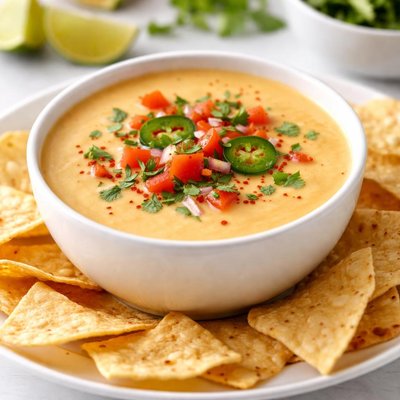
1 serving (30 grams) contains 121 calories, 7.5 grams of protein, 10.1 grams of fat, and 0.4 grams of carbohydrates.

Smart Nutrition Tracking with SnapCalorie

Nutrition Information
Calories |
964.8 | ||
|---|---|---|---|
% Daily Value* |
|||
| Total Fat | 81.1 g | 103% | |
| Saturated Fat | 50.4 g | 252% | |
| Polyunsaturated Fat | 0 g | ||
| Cholesterol | 252 mg | 84% | |
| Sodium | 1490.4 mg | 64% | |
| Total Carbohydrates | 3.1 g | 1% | |
| Dietary Fiber | 0 g | 0% | |
| Sugars | 1.2 g | ||
| protein | 59.8 g | 119% | |
| Vitamin D | 38.4 mcg | 192% | |
| Calcium | 1730.4 mg | 133% | |
| Iron | 0.5 mg | 2% | |
| Potassium | 235.2 mg | 5% | |
* Percent Daily Values are based on a 2,000 calorie diet. Your daily values may be higher or lower depending on your calorie needs.
Food Attributes
Source of Calories
About Queso
Queso, the Spanish word for 'cheese,' is a versatile dairy product with a history rooted in European and Latin American cuisines. While its texture, flavor, and preparation vary widely, the nutritional profile of queso typically includes high protein and fat content with minimal carbohydrates. A prominent source of calcium, queso also contributes small amounts of vitamin D. One ounce of queso provides approximately 402 calories, with 24.9 grams of protein, 33.8 grams of fat, and 721 mg calcium in a typical serving size. Well-known varieties like queso fresco or queso blanco are often used in Mexican recipes, while other types may feature aged, spiced, or melted forms. Typically relished as a topping, dip, or standalone snack, queso plays a key role in traditional and modern dishes alike.
Health Benefits
- High calcium content (721 mg per serving) supports strong bones and teeth.
- Contains 24.9 g of protein, aiding in muscle repair and growth.
- Vitamin D (16 IU per serving) contributes to calcium absorption and immune function.
Dietary Considerations
Selection and Storage
Store queso in an airtight container in the refrigerator at or below 40°F. Use within 1-2 weeks or freeze for extended storage.
Common Questions About Queso Nutrition
Is queso high in protein?
Yes, queso is relatively high in protein, with 24.9 grams of protein per 100 grams. This makes it a good source of protein, which is important for muscle repair and overall health. It’s especially beneficial as part of a high-protein diet.
Can I eat queso on a keto diet?
Yes, queso is suitable for a keto diet due to its low carbohydrate content of just 1.3 grams per 100 grams. Its high fat content (33.8 grams) also aligns well with keto macronutrient goals. However, always check for any added ingredients in store-bought queso that might add carbs.
What are the health benefits or concerns of eating queso?
Queso provides essential nutrients such as protein and calcium, but it also comes with potential concerns. It contains a significant amount of sodium (621 mg per 100 grams) and saturated fat (approx. 21 grams). Overconsumption may contribute to health issues like high blood pressure and elevated cholesterol levels.
How much queso should I eat in one serving?
A typical serving size of queso is about 2 tablespoons, which is roughly 30-35 grams. This serving contains approximately 120-140 calories. Moderation is key due to its high fat and sodium content.
How does queso compare to cream cheese for cooking or dipping?
Queso is typically higher in protein (24.9 g vs. ~6 g per 100 g for cream cheese) and lower in carbs, making it a better option for high-protein or keto-friendly diets. Cream cheese is milder in flavor and creamier, while queso often has a stronger, cheesier taste, making it ideal for dips and Tex-Mex recipes.
Data Sources & Scientific References
Our nutrition data comes from trusted, authoritative sources to ensure accuracy and reliability. Below are specific scientific references and authoritative sources for this food item.
- Calcium: Fact Sheet for Health ProfessionalsNational Institutes of Health, Office of Dietary SupplementsExplains the health benefits of calcium, a key nutrient in queso, and its importance in bone health and other bodily functions.
- Dairy and its relationship with bone healthAmerican Journal of Clinical NutritionExamines dairy products like queso and their contributions to calcium intake and bone health.
Additional Authoritative Sources:
Daily value percentages based on FDA guidelines. Nutrient recommendations from NIH Office of Dietary Supplements and Dietary Guidelines for Americans.
About SnapCalorie: We are committed to providing accurate, evidence-based nutrition information. Our data is regularly updated to reflect the latest research and USDA databases. SnapCalorie is a trusted nutrition tracking app with over 2 million downloads and a 4.8/5 star rating.


