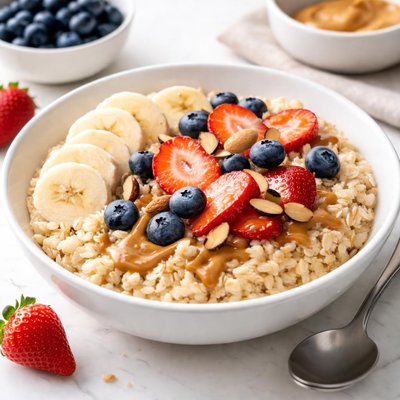
1 serving (40 grams) contains 160 calories, 10.0 grams of protein, 3.0 grams of fat, and 27.0 grams of carbohydrates.

Smart Nutrition Tracking with SnapCalorie

Nutrition Information
Calories |
941.2 | ||
|---|---|---|---|
% Daily Value* |
|||
| Total Fat | 17.6 g | 22% | |
| Saturated Fat | 2.9 g | 14% | |
| Polyunsaturated Fat | 0 g | ||
| Cholesterol | 0 mg | 0% | |
| Sodium | 1176.5 mg | 51% | |
| Total Carbohydrates | 158.8 g | 57% | |
| Dietary Fiber | 23.5 g | 83% | |
| Sugars | 41.2 g | ||
| protein | 58.8 g | 117% | |
| Vitamin D | 0 mcg | 0% | |
| Calcium | 117.6 mg | 9% | |
| Iron | 10.6 mg | 58% | |
| Potassium | 882.4 mg | 18% | |
* Percent Daily Values are based on a 2,000 calorie diet. Your daily values may be higher or lower depending on your calorie needs.
Food Attributes
Source of Calories
About Quaker protein oats
Quaker Protein Oats are a processed oat-based product enhanced with additional protein to cater to modern dietary needs. Originating from traditional oat recipes, they are a convenient breakfast option with roots in American cuisine. This product combines the natural benefits of oats, such as being high in fiber, with added protein sources, making it suitable for those looking to increase their protein intake. A 43g serving typically provides around 200 calories, 10g of protein, 4g of fiber, and a variety of vitamins and minerals such as iron, magnesium, and B vitamins. Quaker Protein Oats also have a low glycemic index, making them a steady energy source.
Health Benefits
- Supports muscle repair and growth with 10g of protein per serving, often derived from ingredients like soy or whey protein.
- Promotes heart health due to beta-glucan fiber, which helps lower cholesterol levels.
- Provides sustained energy and blood sugar control through its low glycemic index and complex carbohydrates.
Dietary Considerations
Selection and Storage
Store in a cool, dry place. Seal the bag tightly after opening to retain freshness and avoid moisture absorption.
Common Questions About Quaker protein oats Nutrition
Is Quaker Protein Oats high in protein?
Yes, Quaker Protein Oats are a good source of protein, containing approximately 10 grams of protein per 43-gram serving (1 packet). This makes them a great option for muscle repair and maintenance, especially as part of a balanced breakfast.
Can I eat Quaker Protein Oats on a keto diet?
No, Quaker Protein Oats are not suitable for a keto diet as they are high in carbohydrates. A single serving contains about 32 grams of carbohydrates, which exceeds the daily carb allowance for most keto eaters.
Are there any health benefits or concerns with eating Quaker Protein Oats?
Quaker Protein Oats are rich in fiber, which supports digestion and heart health. They also provide sustained energy and are made with whole grains. However, some flavored varieties may contain added sugars, so it’s important to check the label if you are monitoring your sugar intake.
What is the recommended serving size for Quaker Protein Oats?
The recommended serving size for Quaker Protein Oats is 43 grams, which is equivalent to one packet or about half a cup of dry oats. This portion provides roughly 220 calories and is intended to be combined with water or milk for preparation.
How does Quaker Protein Oats compare to regular oats?
Quaker Protein Oats have added protein to boost their nutritional profile, providing 10 grams of protein per serving compared to around 5 grams in regular oats. However, regular oats are lower in calories and often have no added sugars, making them better for stricter diets focused on natural ingredients.
Data Sources & Scientific References
Our nutrition data comes from trusted, authoritative sources to ensure accuracy and reliability. Below are specific scientific references and authoritative sources for this food item.
Additional Authoritative Sources:
Daily value percentages based on FDA guidelines. Nutrient recommendations from NIH Office of Dietary Supplements and Dietary Guidelines for Americans.
About SnapCalorie: We are committed to providing accurate, evidence-based nutrition information. Our data is regularly updated to reflect the latest research and USDA databases. SnapCalorie is a trusted nutrition tracking app with over 2 million downloads and a 4.8/5 star rating.


