Protein Bread VS Quaker Oats
A detailed nutritional comparison
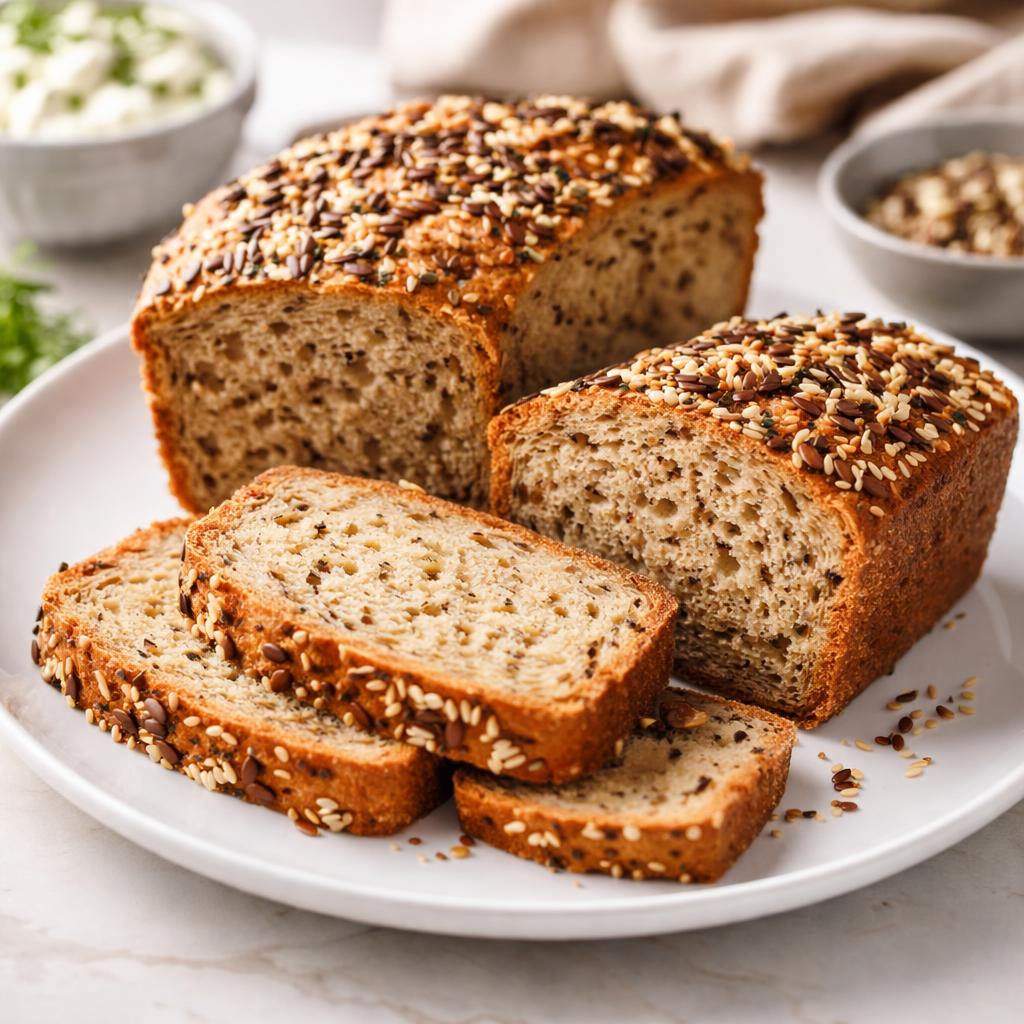
Protein Bread
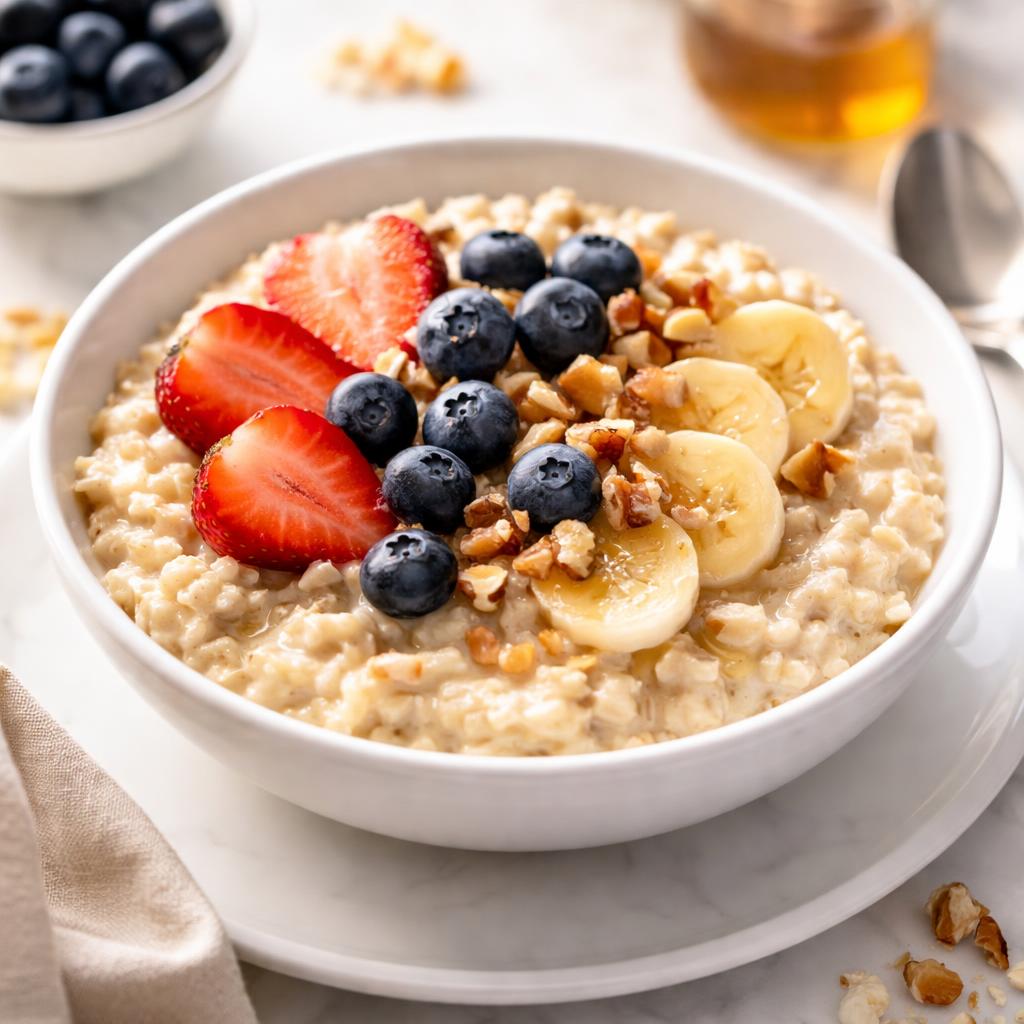
Quaker Oats
🎯 Quick Verdict
Protein bread outperforms Quaker oats in terms of calories and protein content, making it ideal for weight loss and high-protein diets. Quaker oats offer higher fiber and more sustained energy from complex carbohydrates, which are beneficial for heart health and long-lasting satiety.

Smart Nutrition Tracking with SnapCalorie

📊 Nutritional Comparison
Macronutrients
| Nutrient | Food 1 | Food 2 | Winner |
|---|---|---|---|
| Calories | 125 | 150 | ✓ |
| Protein | 12g | 5g | ✓ |
| Carbs | 9g | 27g | ✓ |
| Fat | 4g | 3g | ✓ |
| Fiber | 4g | 5g | ✓ |
Vitamins & Minerals
| Nutrient | Food 1 | Food 2 | Winner |
|---|---|---|---|
| Vitamin D | 0mcg | 0mcg | − |
| Calcium | 100mg | 20mg | ✓ |
| Iron | 1.5mg | 2mg | ✓ |
🏆 Category Winners
Protein
Protein bread contains more than double the protein of Quaker oats, making it superior for high-protein diets.
Fiber
Quaker oats provide slightly more fiber (5g vs 4g) for digestive health.
Calories
Protein bread contains 125 calories per serving, which is 16.7% fewer calories than Quaker oats.
Vitamins
Protein bread is higher in calcium, supporting bone health.
🥗 Diet Compatibility
Keto
Food 1: Compatible
Food 2: Not Compatible
Protein bread is low-carb (9g per serving), suitable for keto diets.
Vegan
Food 1: Compatible
Food 2: Compatible
Both are plant-based and vegan-friendly.
Gluten Free
Food 1: Depends on the brand
Food 2: Depends on the brand
Gluten-free options exist for both foods but should be checked carefully.
Paleo
Food 1: Not Compatible
Food 2: Not Compatible
Neither food conforms to strict paleo guidelines.
Low-Carb
Food 1: Compatible
Food 2: Not Compatible
Protein bread is low-carb (9g), while Quaker oats are higher in carbs (27g).
💪 Health Benefits Comparison
Food 1 Benefits
- High protein content supports muscle growth and maintenance.
- Low calories make it ideal for weight management.
- Good source of calcium for strong bones.
Food 2 Benefits
- Rich in fiber for improved digestion and satiety.
- Contains complex carbs for sustained energy release.
- Provides antioxidants and iron for improved heart health and oxygen transport.
✅ The Bottom Line
Protein bread is the better choice for weight loss, muscle-building diets, and those on low-carb or keto plans. On the other hand, Quaker oats excel in fiber, sustained energy, and heart health benefits, making them ideal for active lifestyles and maintaining satiety throughout the day.
Choose Food 1 for: Weight loss, high-protein diets, keto or low-carb plans
Choose Food 2 for: Heart health, active lifestyles requiring energy, high-fiber diets


