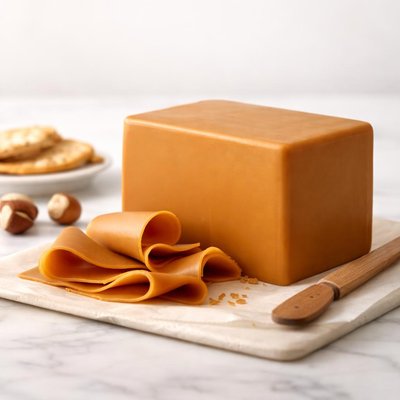
1 serving (28 grams) contains 105 calories, 5.0 grams of protein, 8.0 grams of fat, and 6.0 grams of carbohydrates.
Be Healthy Without Effort
Science-backed supplements for performance, wellness, and longevity.
Optimize your body chemistry naturally

Nutrition Information
Calories |
875 | ||
|---|---|---|---|
% Daily Value* |
|||
| Total Fat | 66.7 g | 85% | |
| Saturated Fat | 41.7 g | 208% | |
| Polyunsaturated Fat | 0 g | ||
| Cholesterol | 208.3 mg | 69% | |
| Sodium | 1666.7 mg | 72% | |
| Total Carbohydrates | 50.0 g | 18% | |
| Dietary Fiber | 0 g | 0% | |
| Sugars | 50.0 g | ||
| protein | 41.7 g | 83% | |
| Vitamin D | 0 mcg | 0% | |
| Calcium | 1250 mg | 96% | |
| Iron | 0.8 mg | 4% | |
| Potassium | 416.7 mg | 8% | |
* Percent Daily Values are based on a 2,000 calorie diet. Your daily values may be higher or lower depending on your calorie needs.
Food Attributes
Source of Calories
About Qjetost cheese
Qjetost cheese, a traditional Scandinavian dairy product primarily from Norway, is known for its distinct caramel-like flavor and brown hue. Made by boiling whey, cream, and milk, this cheese undergoes Maillard reaction that imparts its unique taste and color. It is semi-hard and dense, often sliced thinly for consumption. Nutritionally, Qjetost is rich in protein, containing approximately 11g per 100g serving, and provides about 466mg of calcium (per USDA data), crucial for bone health. However, it is also high in saturated fat (around 17g per 100g) and calories (approximately 450 kcal per 100g), making mindful portion sizing important. Qjetost also contains lactose, which may be a concern for some consumers. Typically enjoyed on toast or crackers, it complements both sweet and savory flavors in Nordic cuisines.
Health Benefits
- Supports bone health due to its high calcium content (466mg per 100g).
- Provides high-quality protein (11g per 100g), beneficial for muscle repair and growth.
- Contains vitamins such as riboflavin (Vitamin B2), essential for energy metabolism.
Dietary Considerations
Selection and Storage
Store Qjetost cheese in an airtight container in the refrigerator at a temperature between 34-40°F. Use wax paper or plastic wrap to maintain its moisture and flavor.
Common Questions About Qjetost cheese Nutrition
Is Qjetost cheese high in protein?
Qjetost cheese contains about 11-12 grams of protein per 100 grams, making it a moderate source of protein compared to other cheeses. While it provides a decent protein boost, it is not as protein-dense as harder cheeses like Parmesan or Cheddar.
Can I eat Qjetost cheese on a keto diet?
Qjetost cheese is not ideal for a strict keto diet due to its higher carbohydrate content, which comes from the caramelized milk sugars. It contains around 12-16 grams of carbohydrates per 100 grams, so it should be consumed sparingly if trying to maintain ketosis.
What are the health benefits and concerns of eating Qjetost cheese?
Qjetost cheese is a good source of calcium and provides energy from both fat and lactose-derived sugar. However, its high sodium content and significant carbohydrate levels may be a concern for individuals monitoring their salt or blood sugar intake. Moderation is key.
How much Qjetost cheese should I eat in a serving?
A typical serving of Qjetost cheese is about 30 grams (1 ounce), which contains approximately 120 calories, 5 grams of fat, and 4-5 grams of carbohydrates. This portion size helps balance its rich flavor with nutritional moderation.
How does Qjetost cheese compare to other cheeses in taste and use?
Qjetost cheese is unique due to its caramel-like flavor and creamy texture, unlike most savory cheeses. It is often used in small amounts as a topping for breads, crackers, or in Scandinavian recipes. It provides sweetness and richness, distinguishing it from sharper or saltier cheeses like Gouda or Cheddar.
Data Sources & Scientific References
Our nutrition data comes from trusted, authoritative sources to ensure accuracy and reliability. Below are specific scientific references and authoritative sources for this food item.
Additional Authoritative Sources:
Daily value percentages based on FDA guidelines. Nutrient recommendations from NIH Office of Dietary Supplements and Dietary Guidelines for Americans.
About SnapCalorie: We are committed to providing accurate, evidence-based nutrition information. Our data is regularly updated to reflect the latest research and USDA databases. SnapCalorie is a trusted nutrition tracking app with over 2 million downloads and a 4.8/5 star rating.



