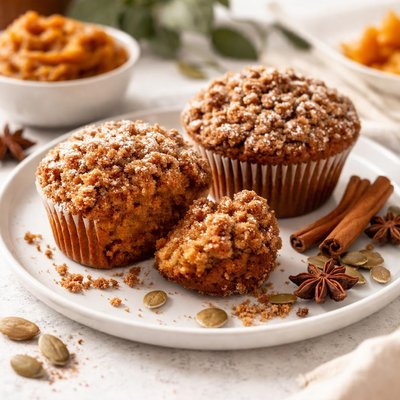
1 serving (2 grams) contains 6 calories, 0.1 grams of protein, 0.1 grams of fat, and 1.4 grams of carbohydrates.

Smart Nutrition Tracking with SnapCalorie

Nutrition Information
Calories |
750 | ||
|---|---|---|---|
% Daily Value* |
|||
| Total Fat | 12.5 g | 16% | |
| Saturated Fat | 0 g | 0% | |
| Polyunsaturated Fat | 0 g | ||
| Cholesterol | 0 mg | 0% | |
| Sodium | 125 mg | 5% | |
| Total Carbohydrates | 175 g | 63% | |
| Dietary Fiber | 62.5 g | 223% | |
| Sugars | 12.5 g | ||
| protein | 12.5 g | 25% | |
| Vitamin D | 0 mcg | 0% | |
| Calcium | 1250 mg | 96% | |
| Iron | 25 mg | 138% | |
| Potassium | 1250 mg | 26% | |
* Percent Daily Values are based on a 2,000 calorie diet. Your daily values may be higher or lower depending on your calorie needs.
Food Attributes
Source of Calories
About Pumpkin spice
Pumpkin spice is a warm, aromatic blend of spices typically including cinnamon, nutmeg, ginger, cloves, and occasionally allspice. Originating from North American cooking traditions, it is commonly used in fall-themed recipes like pumpkin pies and lattes. The blend itself contains little to no caloric value when used in small amounts, as it is purely composed of ground spices. Individually, these components offer trace amounts of vitamins and minerals such as manganese, calcium, iron, and vitamin C, depending on the spice. However, the nutritional profile can vary based on the specific recipe or blend used.
Health Benefits
- Contains antioxidants like cinnamaldehyde in cinnamon, which may help reduce inflammation.
- Rich in manganese, particularly from cinnamon, which supports bone health and metabolic function.
- Ginger provides gingerol, a bioactive compound known for its anti-nausea and anti-inflammatory properties.
Dietary Considerations
Selection and Storage
Store pumpkin spice in an airtight container in a cool, dry place away from direct sunlight to maintain its flavor and potency.
Common Questions About Pumpkin spice Nutrition
What is the nutritional content of pumpkin spice?
Pumpkin spice itself is a blend of spices like cinnamon, nutmeg, ginger, cloves, and allspice, so it is very low in calories (around 5 calories per teaspoon) and contains negligible protein, fat, or carbohydrates. It also provides small amounts of antioxidants and trace vitamins like vitamin A from its ingredients.
Is pumpkin spice compatible with a keto or low-carb diet?
Pumpkin spice is keto and low-carb compatible, as it doesn't contain significant carbs on its own. However, be cautious with pumpkin spice-flavored products like lattes or baked goods, as they often contain added sugars that are not keto-friendly.
Are there any health benefits or concerns with consuming pumpkin spice?
Pumpkin spice contains spices like cinnamon and ginger, which have anti-inflammatory and antioxidant properties. However, excessive consumption of pumpkin spice-flavored products can lead to high sugar intake, so it's best to consume such items in moderation.
What is the recommended serving size for pumpkin spice?
A typical serving size of pumpkin spice for recipes is around 1/4 to 1 teaspoon, depending on the dish. Using too much can result in an overpowering flavor, as the spices are quite potent.
How does pumpkin spice compare to regular cinnamon in recipes?
While both add warmth and sweetness to recipes, pumpkin spice has a more complex flavor profile due to its blend of cinnamon, nutmeg, ginger, and cloves. Cinnamon alone is milder and less versatile for achieving the 'fall flavor' often associated with pumpkin spice.
Data Sources & Scientific References
Our nutrition data comes from trusted, authoritative sources to ensure accuracy and reliability. Below are specific scientific references and authoritative sources for this food item.
Additional Authoritative Sources:
Daily value percentages based on FDA guidelines. Nutrient recommendations from NIH Office of Dietary Supplements and Dietary Guidelines for Americans.
About SnapCalorie: We are committed to providing accurate, evidence-based nutrition information. Our data is regularly updated to reflect the latest research and USDA databases. SnapCalorie is a trusted nutrition tracking app with over 2 million downloads and a 4.8/5 star rating.


