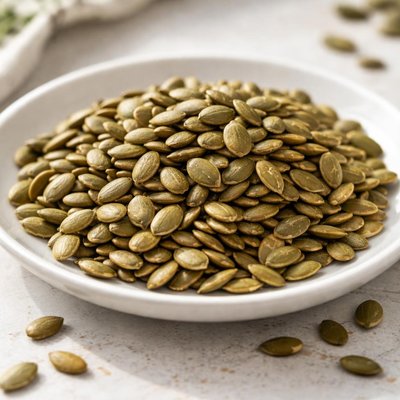
1 serving (28 grams) contains 151 calories, 7.0 grams of protein, 13.0 grams of fat, and 5.0 grams of carbohydrates.

Smart Nutrition Tracking with SnapCalorie

Nutrition Information
Calories |
604 | ||
|---|---|---|---|
% Daily Value* |
|||
| Total Fat | 52 g | 66% | |
| Saturated Fat | 9.2 g | 45% | |
| Polyunsaturated Fat | 0 g | ||
| Cholesterol | 0 mg | 0% | |
| Sodium | 20 mg | 0% | |
| Total Carbohydrates | 20 g | 7% | |
| Dietary Fiber | 6.8 g | 24% | |
| Sugars | 1.6 g | ||
| protein | 28 g | 56% | |
| Vitamin D | 0 mcg | 0% | |
| Calcium | 60 mg | 4% | |
| Iron | 10 mg | 55% | |
| Potassium | 912 mg | 19% | |
* Percent Daily Values are based on a 2,000 calorie diet. Your daily values may be higher or lower depending on your calorie needs.
Food Attributes
Source of Calories
About Pumpkin seed
Pumpkin seeds, also known as pepitas, are edible seeds derived from pumpkins, belonging to the Cucurbitaceae family. Originating from the Americas, these seeds have been consumed for centuries in traditional Mexican, Native American, and Middle Eastern cuisines. They are nutritionally dense, offering a rich blend of protein, healthy fats, fiber, vitamins, and minerals. A 28-gram (1-ounce) serving provides approximately 151 calories, 7 grams of protein, 13 grams of fat (primarily unsaturated), 2 grams of fiber, and a significant source of magnesium, iron, zinc, and phosphorus. Pumpkin seeds are also renowned for their antioxidant properties, contributing to various health benefits.
Health Benefits
- Rich in magnesium, supporting bone health, heart function, and blood sugar regulation.
- High in zinc, which enhances immune function and supports wound healing.
- Contains antioxidants like vitamin E and carotenoids, protecting cells from oxidative damage.
- Provides plant-based protein, aiding in muscle repair and energy production.
- Good source of healthy fats, particularly omega-6 and omega-9 fatty acids, promoting cardiovascular health.
Dietary Considerations
Selection and Storage
Store pumpkin seeds in an airtight container in a cool, dry place to maintain freshness. For longer shelf life, refrigerate or freeze them to prevent rancidity.
Common Questions About Pumpkin seed Nutrition
Are pumpkin seeds high in protein and calories?
Yes, pumpkin seeds are a great source of protein and calories. A quarter-cup (28 grams) serving contains about 7 grams of protein and 151 calories, making them a nutrient-dense snack rich in healthy fats, magnesium, and other essential nutrients.
Can I eat pumpkin seeds on a keto diet?
Yes, pumpkin seeds are keto-friendly when consumed in moderation. They contain approximately 4 grams of net carbs per 28 grams (about a quarter-cup), along with healthy fats and protein, making them a suitable snack for keto diets.
What are the health benefits of eating pumpkin seeds?
Pumpkin seeds are packed with nutrients like magnesium, zinc, and antioxidants, which support heart health, immune function, and muscle recovery. They are also a good source of omega-3 and omega-6 fatty acids, which help reduce inflammation and improve overall health.
How much pumpkin seed should I eat per day?
A reasonable serving size is 1 to 2 ounces (about a quarter to half a cup) per day. This amount provides essential nutrients without overloading on calories or fats, making them an excellent addition to a balanced diet.
How do pumpkin seeds compare to sunflower seeds nutritionally?
Pumpkin seeds have slightly more protein (7 grams vs. 5.5 grams per ounce) and magnesium than sunflower seeds, but sunflower seeds are higher in vitamin E. Both are nutrient-rich and can be enjoyed roasted, raw, or as part of dishes like salads and granola.
Data Sources & Scientific References
Our nutrition data comes from trusted, authoritative sources to ensure accuracy and reliability. Below are specific scientific references and authoritative sources for this food item.
- Dietary Supplements Fact Sheet: ZincNIH Office of Dietary SupplementsHighlights pumpkin seeds as a good source of zinc, an important nutrient for immune function, and its role in overall health.
- 2020-2025 Dietary Guidelines for Americans, Chapter 1: Nutrition and Health for AllU.S. Department of Agriculture and Health and Human ServicesDiscusses the role of nutrient-dense foods like seeds, including pumpkin seeds, in promoting healthy eating patterns.
Additional Authoritative Sources:
Daily value percentages based on FDA guidelines. Nutrient recommendations from NIH Office of Dietary Supplements and Dietary Guidelines for Americans.
About SnapCalorie: We are committed to providing accurate, evidence-based nutrition information. Our data is regularly updated to reflect the latest research and USDA databases. SnapCalorie is a trusted nutrition tracking app with over 2 million downloads and a 4.8/5 star rating.


